Basic sweet shortcrust pastry
This basic sweet shortcrust pastry is made with flour, butter, sugar, egg yolk, and water, resulting in a flaky and buttery dough. Ideal for tarts and pies, it’s simple to prepare and versatile for various fillings.
Cook time 0 min
Prep time 45 min
Ingredients:
1.50 cups all-purpose white wheat flour1/2 cup butter
1/3 cup sugar
1 yolk
1 tbsp water
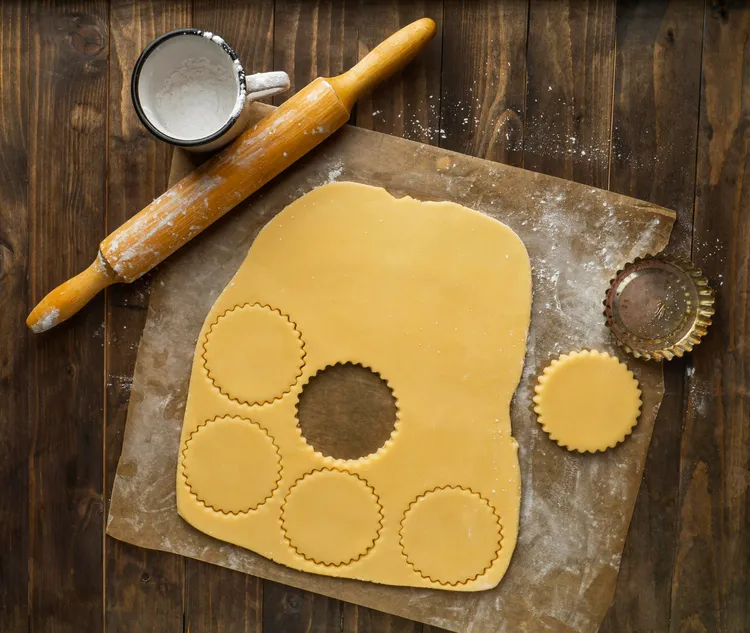
Shortcrust pastry forms the foundation of many classic desserts and baked goods, from tarts to pies. This basic sweet shortcrust pastry recipe combines just a few simple ingredients to create a versatile and delicious dough. Whether you're a seasoned baker or a beginner, mastering this pastry will open up a world of delicious possibilities.
Instructions:
- Measure out all your ingredients precisely. Ensure the butter is cold and cut into small cubes. This will help create a flaky texture in the pastry.
- In a large mixing bowl, combine the all-purpose flour and sugar. Mix them together until evenly distributed.
- Add the chilled, cubed butter to the flour and sugar mixture. Using a pastry cutter, fork, or your fingertips, work the butter into the flour mixture. Continue until the mixture resembles coarse breadcrumbs with small pea-sized pieces of butter still visible.
- Make a well in the center of the mixture and add the egg yolk. Mix gently to combine. The mixture will still be quite crumbly at this stage.
- Gradually add the cold water, one tablespoon at a time. Mix until the dough begins to come together. If needed, add an extra teaspoon of water at a time until the dough just holds together when pressed.
- Turn the dough out onto a clean surface and gently knead it a few times to bring it together. Be careful not to overwork the dough to avoid a tough pastry.
- Shape the dough into a disc, wrap it in plastic wrap, and refrigerate for at least 30 minutes. This resting time helps the gluten relax and firm up the butter, making it easier to roll out later.
- Once chilled, remove the dough from the refrigerator. On a lightly floured surface, roll out the dough to your desired thickness, typically about 1/8 inch (3mm) thick. If the dough becomes too soft while rolling, you can return it to the fridge for a few minutes.
- Gently lift the rolled dough and place it into your tart or pie pan. Press it into the corners and edges. Trim any excess dough hanging over the sides.
- Depending on your recipe, you may need to pre-bake (blind bake) the pastry shell. To do this, prick the base with a fork, line the pastry with parchment paper, and fill with pie weights or dried beans. Bake at 375°F (190°C) for about 15 minutes or until the edges start to turn golden. Remove the weights and paper, then bake for an additional 5-10 minutes until the base is set and lightly golden.
- Allow the pastry to cool completely if pre-baked. It is now ready for your desired filling, whether sweet or savory.
This basic sweet shortcrust pastry recipe is straightforward and results in a buttery, slightly sweet dough that's perfect for a variety of desserts. With just a few ingredients and a bit of practice, you'll be able to create the perfect pastry base for your tarts, pies, and more.
Basic sweet shortcrust pastry FAQ:
For pre-baking (blind baking), bake at 375°F (190°C) for about 15 minutes or until the edges start to turn golden. After removing the weights and parchment, bake for an additional 5-10 minutes until the base is set and lightly golden.
The pastry is fully baked when the edges are golden brown and the base appears set and lightly golden. You should also avoid soft, doughy spots in the center.
You can use a tablespoon of sour cream or yogurt as a substitute for the egg yolk. This will help bind the dough while maintaining moisture.
Wrap the dough tightly in plastic wrap and store it in the refrigerator for up to 3 days. For longer storage, freeze the wrapped dough for up to 3 months.
Yes, you can substitute whole wheat flour for all-purpose flour, but note that this may result in a denser texture. You might need to adjust the liquid slightly to achieve the right consistency.
Cooking Tips:
- Ensure all ingredients are cold before starting. Cold butter helps create a flaky texture.
- Use a food processor to combine the ingredients quickly if you want to prevent the butter from warming up too much.
- Don’t overwork the dough. Mix until just combined to avoid a tough pastry.
- Rest the dough in the fridge for at least 30 minutes before rolling it out. This helps relax the gluten and makes it easier to handle.
- If the dough starts to crack when rolling out, let it rest at room temperature for a few minutes before continuing.
- For added flavor, consider adding a splash of vanilla extract or a pinch of salt.
Nutrition Facts
6 ServingsCalories 300kcal
Protein 4.36g
Carbohydrates 33g
Fiber 0.94g
Sugar 11g
Fat 16g
More recipes
Banana, date and walnut bread
Delicious banana, date, and walnut bread for any occasion.
05 May 2026Gluten-free banana bread
Wholesome gluten-free banana bread made with buckwheat and coconut flour.
05 May 2026