Butter cream icing
This buttercream icing features a rich and creamy texture, perfect for decorating cakes and cupcakes. Made with just butter, powdered sugar, milk, and vanilla, it's quick to prepare and easy to customise.
Cook time 0 min
Prep time 25 min
Ingredients:
1/2 cup butter1 tsp vanilla extract
1 cup powdered sugar
2 tbsp milk (1% fat)
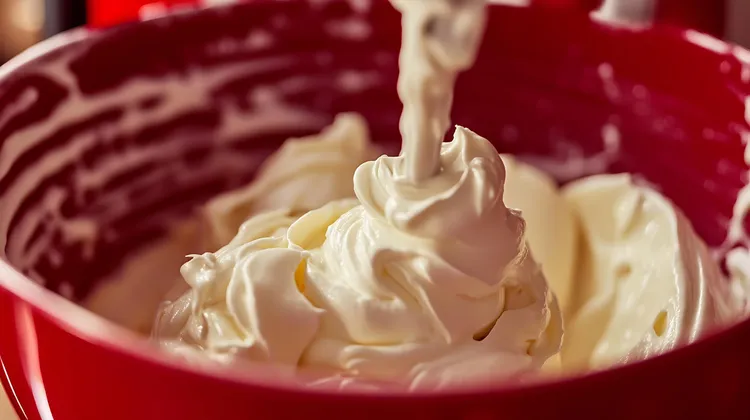
Butter cream icing is a classic and versatile topping for cakes, cupcakes, and other desserts. It's known for its rich and creamy texture, making it a favorite among both home bakers and professional pastry chefs. This simple recipe requires just a few basic ingredients and can be whipped up in no time, ensuring a delightful finish to your baked goods.
Instructions:
- Remove the butter from the refrigerator about 30 minutes before you begin to allow it to soften to room temperature. Softened butter is much easier to mix and will result in a smoother icing.
- In a large mixing bowl, add the softened butter.
- Pour in the vanilla extract.
- Using an electric hand mixer or a stand mixer with the paddle attachment, beat the butter and vanilla on medium speed until creamy and well combined (approximately 2-3 minutes).
- Gradually add the sifted powdered sugar to the butter-vanilla mixture. Add the sugar in small increments, mixing well after each addition. This helps to prevent lumps and ensures a smooth texture.
- Continue mixing on low speed initially when you add the powdered sugar to avoid it spraying out of the bowl.
- Once all the sugar has been added, increase the speed to medium and beat until the mixture is fully combined.
- Add the milk to the mixture, one tablespoon at a time.
- Beat on medium speed until the icing is light, fluffy, and has reached your desired consistency. This should take about 2-3 minutes.
- If the icing is too thick, you can add a tiny bit more milk, a few drops at a time, until it reaches your preferred consistency. Conversely, if the icing is too thin, you can add a little more powdered sugar.
- Taste the icing and if desired, you can add a little more vanilla extract or a pinch of salt to balance the sweetness.
- Beat for an additional 1-2 minutes for a perfectly smooth icing.
- The buttercream icing is now ready to use! It can be spread or piped onto cakes, cupcakes, cookies, or other baked goods.
- If you are not using the icing immediately, store it in an airtight container in the refrigerator. It can be kept for up to 1 week. Before using, allow it to come to room temperature and give it a quick re-whip to restore its smooth texture.
This butter cream icing recipe is incredibly easy to follow and results in a deliciously creamy and sweet topping for any of your baked treats. By following these steps and tips, you'll achieve a perfect consistency and flavor every time. Happy baking!
Butter cream icing FAQ:
You can store butter cream icing in an airtight container in the refrigerator for up to 1 week. Make sure to let it come to room temperature and give it a quick re-whip before using.
You can substitute milk with heavy cream, coconut milk, or any non-dairy milk like almond or oat milk. Keep in mind that this may slightly alter the flavor and texture.
To achieve your desired consistency, start by adding milk one tablespoon at a time while beating the icing. If it's too thick, add more milk; if it's too thin, gradually incorporate more powdered sugar.
A medium to large mixing bowl is recommended to give you enough space for mixing and to prevent the icing from splattering when adding powdered sugar.
Your butter should be at room temperature, which means it should be soft enough to leave an indentation when pressed but not melted. Typically, about 30 minutes outside the refrigerator is sufficient.
Cooking Tips:
- Ensure that the butter is at room temperature before you begin to make it easier to blend with the other ingredients.
- Sift the powdered sugar to avoid lumps in your icing for a silky-smooth consistency.
- Adjust the consistency of the icing by adding more or less milk. For a thicker icing, use less milk, and for a thinner consistency, add a bit more.
- For added flavor, consider incorporating other extracts like almond or lemon in place of the vanilla extract.
- If you want to add color to your icing, use gel food coloring to maintain the desired consistency.
Nutrition Facts
4 ServingsCalories 360kcal
Protein 0.49g
Carbohydrates 40g
Fiber 0.00g
Sugar 40g
Fat 22g
More recipes
Cinnamon-almond cottage cheese breakfast bowl
A creamy cinnamon-almond cottage cheese breakfast bowl.
05 May 2026Grilled peaches with honey drizzle
Simple grilled peaches drizzled with honey for a sweet treat.
05 May 2026Walnut, grape and lettuce salad
A refreshing walnut, grape, and lettuce salad with honey mustard dressing.
05 May 2026Spinach, ham and pear salad
A refreshing spinach, ham, and pear salad perfect for lunch.
05 May 2026Cinnamon vanilla breakfast protein bites
Nutritious cinnamon vanilla protein bites for a quick breakfast.
05 May 2026