Chipotle Peppers in Adobo: The Tin That Changes Everything
One 400g tin. Smoke, heat, and deep sweet complexity. Twelve applications that justify buying a case.
There is a specific tin - small, red-labelled, found in the Mexican or World Foods section of most large supermarkets - that produces a more dramatic cooking transformation per pound spent than almost anything else in the international aisle. Chipotle peppers in adobo. It costs approximately £2. It contains smoke-dried jalapeño peppers packed in a spiced tomato sauce. And it adds a flavour dimension - specifically, the combination of smokiness, deep chili warmth, and a slightly sweet, slightly vinegary complexity from the adobo sauce - that no other single ingredient can replicate.
Most people who buy it use it once, in the specific recipe that prompted the purchase, and then face the standard specialty-ingredient problem: what do I do with the rest? Eight chipotle peppers in adobo sauce, sealed in the original tin or transferred to a jar, sitting in the refrigerator until a distant future use suggests itself.
This post answers that question twelve times over.
What Chipotle Peppers in Adobo Are
Chipotle is a jalapeño pepper that has been smoke-dried - traditionally over pecan wood in the Veracruz region of Mexico. The drying removes approximately 80% of the fresh jalapeño's moisture, concentrating its flavour and adding a distinctive smoky character that fresh jalapeño doesn't have. The heat level is moderate (approximately 2,500-8,000 Scoville units - less than a fresh jalapeño, whose heat compounds become more concentrated during smoking).
Adobo is the sauce - a preparation of dried chilies, tomato, vinegar, garlic, and spices in which the chipotles are packed. The adobo serves two purposes: it preserves the chipotles and it adds its own flavour complexity (sweet, slightly vinegary, deeply spiced) to the preparation.
The tin contains both: whole chipotle peppers (each approximately the size of a small dried apricot) and the surrounding adobo sauce. Both are used - the peppers for texture and concentrated heat, the sauce for a smoother, more dispersed smokiness that integrates into dressings, marinades, and sauces without the texture of the pepper itself.
How to use the peppers: Remove the seeds for less heat (the seeds contain most of the capsaicin); keep them for more. Finely chop or blend the pepper - the texture is slightly leathery and benefits from chopping rather than being used whole in most applications.
The adobo sauce: Scoop directly from the tin. It is already smooth and well-seasoned. Used alone, 1-2 tbsp adds smoke and depth to any sauce.
Storing the Remainder
The most important practical note for a tin of chipotle peppers in adobo: do not store it half-used in the original tin. Tin oxidises and imparts metallic flavour. Transfer the contents of any opened tin to a glass jar or airtight container. Refrigerated, chipotle peppers in adobo keep for 3-4 weeks.
The freezer method (the most practical approach): Blend the entire tin into a smooth paste. Transfer to an ice cube tray. Freeze until solid, then pop the cubes into a freezer bag. Each cube is approximately 1 tbsp of chipotle paste. Use directly from frozen, adding to hot dishes. Frozen chipotle paste keeps for 6 months and eliminates the "now what?" problem permanently.
Understanding the Flavour: The Three Components
Smoke: The dried-over-wood character that is entirely absent from fresh jalapeño or any other fresh chili. This smoke is why chipotle in adobo cannot be substituted with smoked paprika (which provides smoke but not chili heat), sriracha (heat but no smoke), or fresh jalapeño (heat but no smoke).
Heat: Moderate, warm, and building rather than sharp and immediate. The drying process changes the heat delivery - chipotle heat arrives more slowly than fresh chili heat and lingers longer.
The adobo sweetness and depth: The sauce provides a background sweetness (from the tomato and sometimes added sugar), a slight vinegar sharpness, and the specific deep, spiced complexity of dried chili sauce. This is what makes chipotle in adobo taste like something more than just a smoked chili.
12 Applications
1. Chipotle Mayo
The single most useful thing you can make with a tin of chipotle peppers. Blend or finely mince 1-2 chipotle peppers with their adobo sauce into 200ml of mayonnaise. Add 1 tsp of lime juice. Taste and adjust.
The result is a smoky, slightly spiced mayo that elevates every sandwich, burger, taco, and dipping situation it encounters.
Use on: The Plant-Based Burger, fish tacos, grilled chicken sandwiches, as a dipping sauce for sweet potato fries, as a spread for a quesadilla, drizzled over a baked potato.
Storage: 1 week refrigerated. Make a large batch - you will use it.
2. Chipotle Butter
The miso butter principle applied to a completely different flavour direction. Combine 2 chipotle peppers (finely minced) + 2 tbsp adobo sauce + 100g softened unsalted butter. Beat until completely smooth.
Use on: Corn on the cob (the classic Mexican application - elote), grilled steaks immediately after cooking, grilled salmon, roasted sweet potato, baked jacket potato. A pat of chipotle butter melting over a just-grilled piece of meat is one of the best 2-minute preparations in this collection.
3. Smoky Black Bean Chili Base
One of the primary applications in the Vegan Chili recipe in the Plant-Based collection - but worth noting here as a standalone technique. 2 chipotle peppers + 2 tbsp adobo sauce added to the spice-blooming stage of any bean stew or chili transforms it from a spiced bean dish into something with the genuine smoke depth that distinguishes Texas-style chili from its mild equivalents.
4. Pulled Jackfruit Seasoning
The complete technique is in the Pulled Jackfruit Tacos recipe - but the principle deserves independent mention: chipotle in adobo is the ingredient that makes jackfruit taste convincingly like braised meat. The smoke penetrates the neutral-flavoured jackfruit; the adobo's sweetness suggests the caramelised fat of long-braised pork; the heat adds the complexity that makes pulled preparations satisfying.
5. Chipotle Pasta Sauce
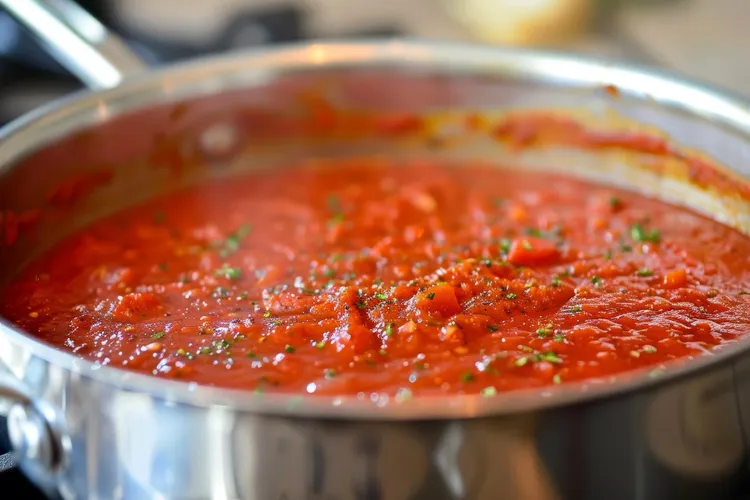
The cross-cultural application that most surprises cooks encountering it for the first time. Add 2 tbsp of adobo sauce to a simple tomato pasta sauce in the final 5 minutes of cooking. The smoke deepens the tomato; the chili heat is subtle but present; the adobo sweetness rounds the acidity.
Specific recipe: Sauté 2 garlic cloves in olive oil. Add 400g of crushed tinned tomatoes. Simmer 10 minutes. Add 2 tbsp adobo sauce + 1 tsp smoked paprika. Simmer 5 more minutes. Season. Toss with rigatoni and finish with Parmesan.
6. Chipotle Marinade for Grilled Meat or Vegetables
The most versatile marinade in this collection. Blend together:
- 3 chipotle peppers in adobo
- 3 tbsp adobo sauce
- 3 tbsp olive oil
- 2 cloves garlic
- 1 tsp ground cumin
- 1 tsp dried oregano
- Juice of 1 lime
- 1 tsp salt
Coat chicken thighs, pork tenderloin, flank steak, or large portobello mushrooms. Marinate 2 hours minimum, overnight for best results. Grill or roast at 200°C.
The adobo's natural tenderising properties (vinegar and chili enzymes) combined with the overnight marination produces noticeably more flavourful, more tender grilled protein than a simple oil-and-spice marinade.
7. Chipotle Hummus
Add 1 chipotle pepper + 1 tbsp adobo sauce to a standard hummus blend (see the Tahini post for the correct hummus technique). Blend until smooth. The smoke transforms hummus into something specific and memorable - the smoky heat against the creaminess of the tahini and chickpea is a combination that warrants its own preparation.
Garnish with a drizzle of olive oil, extra smoked paprika, and toasted pumpkin seeds.
8. Smoky Chipotle Vinaigrette
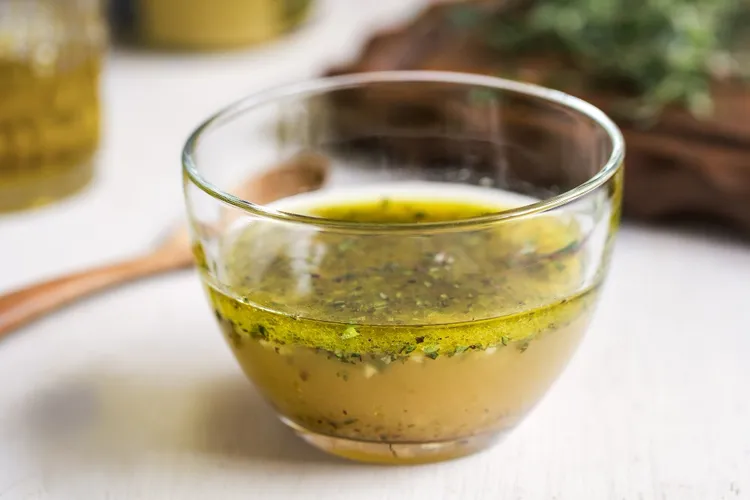
Whisk together: 1 tbsp adobo sauce + 3 tbsp olive oil + 2 tbsp lime juice + 1 tsp honey + 1 clove minced garlic + salt. The adobo sauce replaces both the acid (its vinegar content) and the seasoning in this dressing, producing a smoky, complex vinaigrette with no additional spices needed.
Use on: Shredded cabbage slaw (the best taco accompaniment), roasted corn salad, black bean salad, any salad that pairs with Mexican or Southwestern flavour profiles.
9. Chipotle Crema (Mexican Soured Cream Drizzle)
Blend 2 chipotle peppers + 1 tbsp adobo + 150ml soured cream (or cashew cream for a vegan version) until smooth. Season with lime juice and salt.
This is the finishing drizzle for tacos, tostadas, enchiladas, and any Mexican-inspired dish that needs a cooling, rich, slightly spiced element. Far more interesting than plain soured cream and made in under a minute.
10. Chipotle BBQ Sauce
Start with the chipotle marinade base (Application 6) and add: 2 tbsp dark brown sugar + 2 tbsp tomato ketchup + 1 tbsp Worcestershire sauce + 1 tbsp apple cider vinegar. Simmer for 5 minutes until thick and glossy.
The result is a BBQ sauce with a specific smoky complexity that no commercial BBQ sauce fully achieves - the chipotle provides real smoke rather than liquid smoke flavouring. Use as a glaze for grilled ribs, chicken wings, or roasted cauliflower.
11. Chipotle Soup Base
Add 2–3 chipotle peppers + 3 tbsp adobo to any tomato or bean soup for a dramatic flavour upgrade. Particularly effective in:
- Black bean soup (the classic Mexican combination)
- Tomato soup (transforms a simple preparation into something complex)
- Butternut squash soup (the smoke and sweet heat work beautifully against the squash's natural sweetness)
- Roasted red pepper soup
Blend the chipotle into the soup during the blending stage for a smooth, evenly distributed smokiness.
12. Chipotle Scrambled Eggs or Shakshuka
A ½ tsp of adobo sauce stirred into scrambled eggs before cooking - or into the tomato sauce base of a shakshuka - adds a background smokiness that makes both dishes noticeably more interesting without making them taste of Mexico specifically. Connect to the Shakshuka recipe in the One-Pan collection for the complete preparation.
The Chipotle-Adjacent Ingredients Worth Knowing
Ancho chili powder: Dried, ground poblano peppers - fruity, mild heat, rich flavour without the smoke of chipotle. Use when smoke is not wanted but deep chili flavour is.
Guajillo chili: Dried mirasol pepper - tangy, slightly acidic, mild to medium heat. Used in Mexican red sauces and adobo bases.
Morita chipotle vs. meco chipotle: Two different chipotle preparations sold in tins. Morita (small, dark, fully smoked) is more common in the US. Meco (lighter, less smoky) is more common in Mexico. Both work for the applications above.
Pro Tips
- Freeze the tin immediately. If you are only using one or two peppers per recipe, the freezer cube method (blend the whole tin, freeze in ice cube trays) eliminates the "stored tin" problem immediately. Always have chipotle available in the freezer.
- The adobo sauce is as useful as the peppers. Many applications in this list use only the sauce - no whole pepper. The adobo has a smooth, already-integrated flavour that disperses evenly into dressings and sauces. Don't discard the sauce in favour of the peppers.
- Start with less than you think. The smoke and heat of chipotle builds. A recipe that uses 3 chipotle peppers the first time may produce a result that is too hot for your household. Start with 1 pepper + 2 tbsp adobo and scale up across batches until you find your preferred level.
- The seeds are where the heat concentrates. For a smoky but mild result, use the adobo sauce only or remove and discard the seeds from the peppers. For full heat, use the whole pepper including seeds.
Common Mistake: Using Only the Peppers and Discarding the Sauce The adobo sauce is often the more useful component of the tin - it is already smooth, evenly seasoned, and ready to incorporate into dressings and sauces without chopping or blending. Discarding it wastes approximately half the tin's value. Always use both the peppers and the sauce, in whatever ratio your application requires.
FAQ
Q: Can I make my own chipotle peppers in adobo?
Yes - if you have access to dried chipotle peppers (available at Latin grocery stores and online). Rehydrate in hot water, then simmer in a blended sauce of tomato, garlic, vinegar, onion, and spices. Homemade adobo is excellent but requires more effort than the tin justifies. Buy the tin.
Q: Is chipotle in adobo very hot?
Moderate. Most adults with any tolerance for heat will find chipotle in adobo comfortably warm rather than intensely spicy. The heat is sustained and building rather than sharp. Removing the seeds significantly reduces the heat level. The adobo sauce alone (without the peppers) is milder still.
Q: Where else in the world is chipotle used outside Mexico?
Chipotle peppers are primarily a Mexican ingredient, though they have become globally popular through Tex-Mex cooking and the international expansion of Mexican cuisine. The flavour profile - smoke, heat, tomato depth - resonates across cultures, which is why the cross-cultural applications (pasta sauce, vinaigrette, mayo) all work well. The ingredient travels better than most because its flavour components are universally appealing.
🔗 Related Ingredient Deep Dives
- Aji Amarillo: Peru's Golden Chili and How to Cook With It
- Sumac: The Tangy Red Spice That Replaces Lemon in Middle Eastern Cooking
- Tamarind: The Sour Backbone of Indian and Southeast Asian Cooking
- From the Plant-Based collection: Pulled Jackfruit Tacos with Chipotle Sauce
- From the Plant-Based collection: Vegan Chili with Smoky Black Beans
- World Cuisines in Your Pantry: The Ingredient Deep Dives
Latest