Basil Simple Syrup for Lemonade and Cocktails
A fast basil simple syrup recipe and three drink ideas that use up a large handful of leaves in one go.
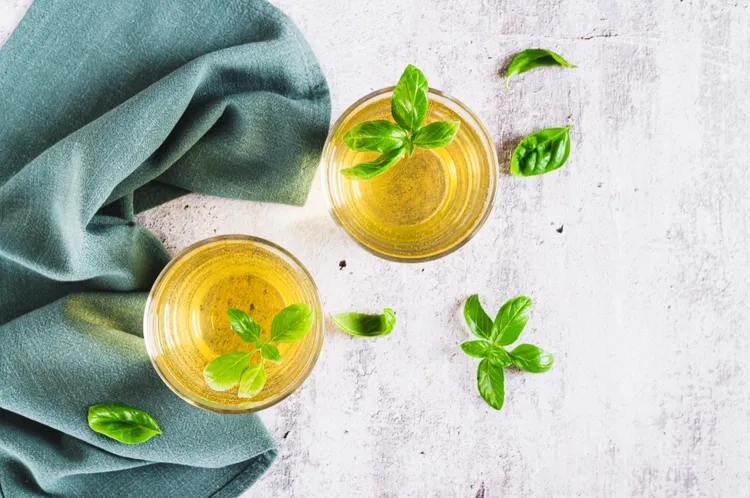
Syrup is the fastest of every method on this list, start to finish in about 15 minutes, and it's a genuinely good use for basil, not just a way to avoid wasting it. The herbal, slightly peppery flavor works surprisingly well against sugar and acid.
Basic Recipe
Combine 1 cup water, 1 cup granulated sugar, and 1 cup lightly packed basil leaves in a small saucepan.
- Bring the water and sugar to a simmer, stirring until the sugar fully dissolves
- Remove from heat and add the basil leaves, pressing them down gently so they're submerged
- Let steep for 20 to 30 minutes as the syrup cools; longer steeping produces a stronger basil flavor
- Strain out the leaves through a fine mesh sieve and transfer the syrup to a clean bottle or jar
This makes roughly 1.5 cups of syrup. Steeping off the heat, rather than boiling the basil directly in the syrup, keeps the flavor bright rather than cooked and grassy.
Storage
Refrigerated in a sealed container, basil syrup keeps for about 3 to 4 weeks. It can also be frozen in ice cube trays for longer storage, which is a convenient way to portion it out for single drinks later.
Three Ways to Use It
Basil Lemonade
Combine 1/4 cup basil syrup, 1/4 cup fresh lemon juice, and 1 cup cold water or sparkling water per serving. Adjust sweetness by adding more syrup or diluting with more water. Serve over ice with a fresh basil leaf as garnish.
Basil Gin Fizz
Shake 2 ounces gin, 3/4 ounce basil syrup, and 3/4 ounce fresh lime juice with ice, then strain into a glass over fresh ice and top with soda water. The syrup's herbal note works especially well against gin's own botanicals.
Basil Sparkling Water
Stir 1 to 2 tablespoons of basil syrup into a glass of plain sparkling water for a quick, low-effort non-alcoholic drink. This is the fastest way to use the syrup regularly rather than letting a bottle sit unused in the fridge.
Why Syrup Is Worth Making Even for a Small Glut
Because it takes so little active time, basil syrup is a good outlet even when there isn't time for a bigger preservation project. A single batch uses a full cup of leaves, similar to a pesto batch, but the entire process is done in under half an hour with almost no cleanup beyond a saucepan and a strainer.
For a broader plan on which preservation method suits which volume of basil and how much time is available, see the Basil Glut Guide.
Batching Syrup for a Party or Ongoing Use
Because the recipe is so fast, it scales well for entertaining. Doubling or tripling the batch for a party is straightforward and uses the same ratio; just allow slightly longer for the larger volume of water and sugar to come to a simmer. For ongoing household use rather than a single event, a double batch made every couple of weeks during peak basil season, rather than single small batches, cuts down on how often the stovetop step needs repeating.
Adjusting Sweetness and Strength
The 1:1 sugar-to-water ratio produces a standard simple syrup consistency. For a less sweet version that leans more on basil's own flavor, reduce the sugar to 3/4 cup while keeping the water and basil quantities the same; the syrup will be slightly thinner but still functional in drinks. For a more concentrated basil flavor without more sugar, increase the basil to 1.5 cups while keeping sugar and water the same.
Other Fruit and Herb Pairings
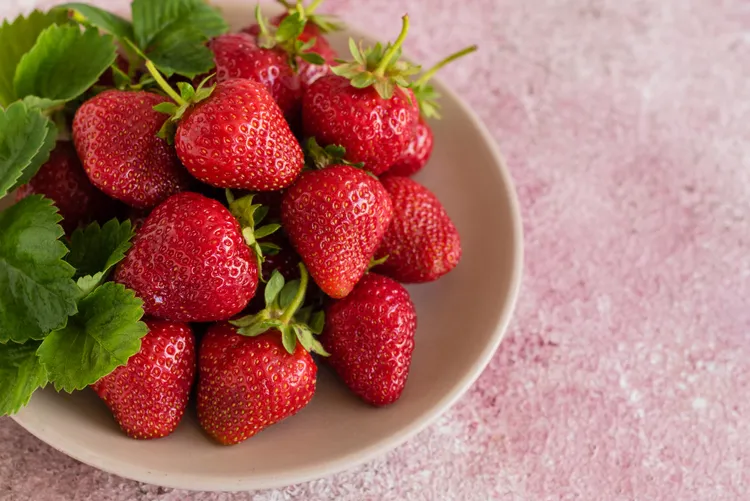
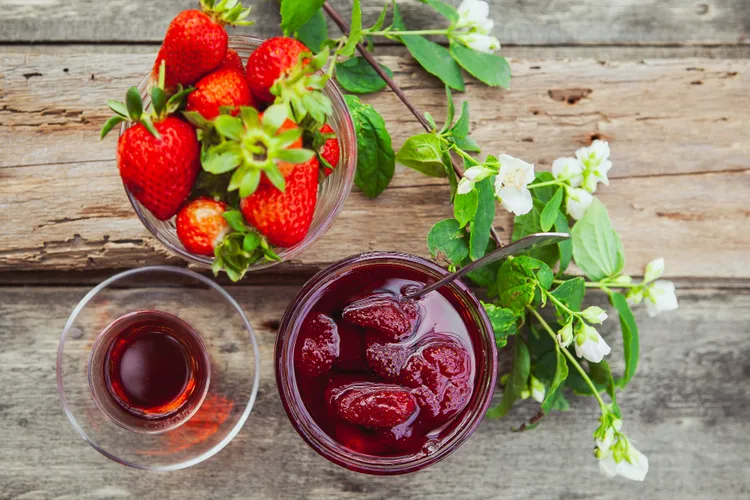
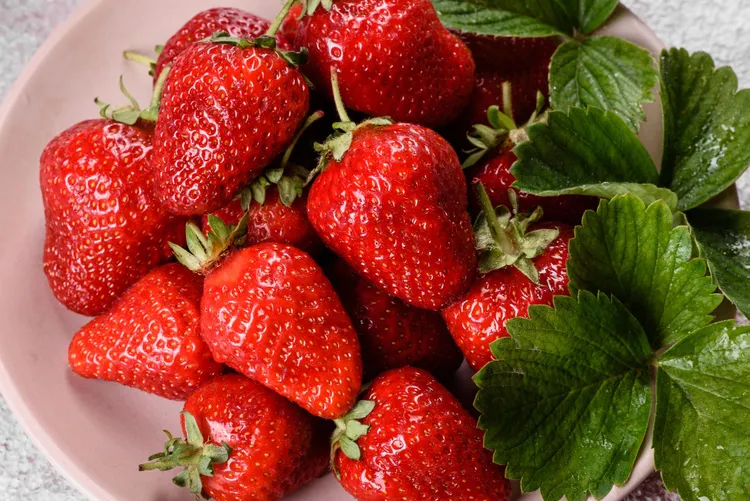
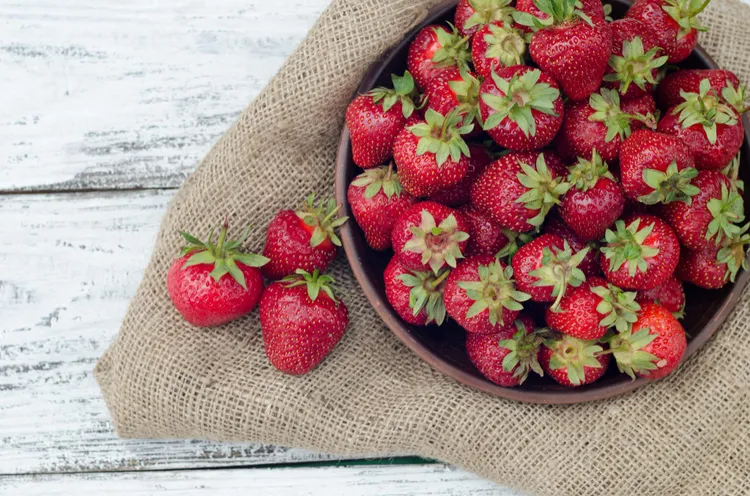
Basil syrup pairs particularly well with a few additions steeped in alongside it. A few strips of lemon or lime zest added during steeping brighten the syrup considerably. A small handful of strawberries or a few slices of peach, added and mashed slightly during the simmering stage, create a fruit-basil hybrid syrup that works well in lemonade or a spritz.
Common Mistakes
- Boiling the basil directly in the syrup. This is a common shortcut that produces a duller, more cooked flavor than steeping off the heat. The extra 20 to 30 minutes of steeping time is what preserves basil's brighter character.
- Over-steeping. Basil left in the syrup for hours rather than the recommended 20 to 30 minutes can start to taste slightly bitter or grassy as tougher plant compounds extract along with the desirable flavor.
- Storing in a container that isn't airtight. Basil syrup can pick up other flavors from the fridge, or lose its own aroma faster, if stored in a loosely covered container rather than a sealed jar or bottle.
Frequently Asked Questions
Can I make basil syrup with a sugar substitute?
Yes, most granulated sugar substitutes that measure cup-for-cup like sugar will work in this recipe, though the syrup's texture and mouthfeel may differ slightly, generally thinner, than one made with regular sugar.
How do I know if basil syrup has gone bad?
Look for cloudiness beyond the normal slight haze, an off smell, or visible mold on the surface. Properly stored and refrigerated syrup should remain clear-to-lightly-hazy and smell distinctly of basil and sugar, not sour or fermented.
Can basil syrup be used in baking instead of drinks?
Yes, it works well brushed over a cake layer for moisture and flavor, or drizzled over fresh fruit as a light dessert sauce.
Tips for Success
Don't skip straining thoroughly; small basil fragments left in the syrup will continue to darken it and can turn the flavor slightly bitter over time in storage. If a stronger basil flavor is wanted, add a second small handful of fresh leaves partway through the steeping time rather than steeping the original batch longer, which tends to extract more bitterness than fresh flavor. A bottle of syrup tends to get used faster when it's built into a plan for a few specific drinks over the following weeks rather than left in the fridge without a purpose.
Latest