Best Strawberry Recipes From Patch to Table
A curated set of strawberry recipes organized by fruit condition, from perfectly ripe fresh berries to a jar of homemade jam made from a softer batch.

Every earlier stage in this guide, planting, growing, harvesting, storing, exists to support this final one. What follows is organized by how much fresh fruit you're working with and what condition it's in, since a perfect fresh berry and a slightly soft one nearing the end of its window call for different destinations.
When You Have Perfectly Ripe Fresh Strawberries
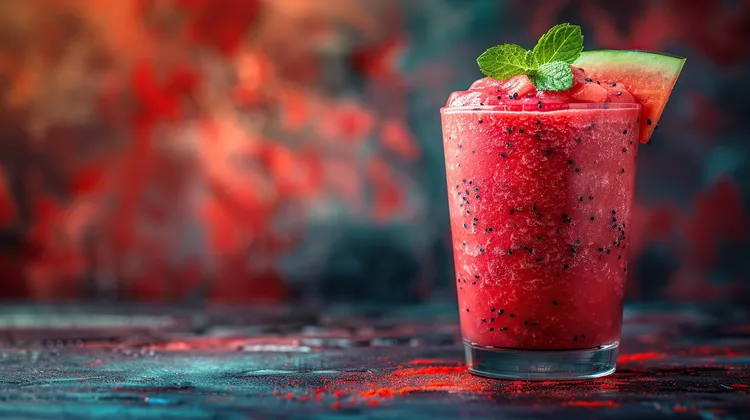
A properly ripe strawberry needs almost nothing done to it, and preparations that let the fruit's own flavor lead are usually the best use of the best berries in a batch. Our Strawberry Chia Watermelon Smoothie uses fresh (or frozen) strawberries alongside watermelon and banana for a bright, simple blended drink that showcases the fruit without much competition.
When You Want a Quick, Healthy Treat
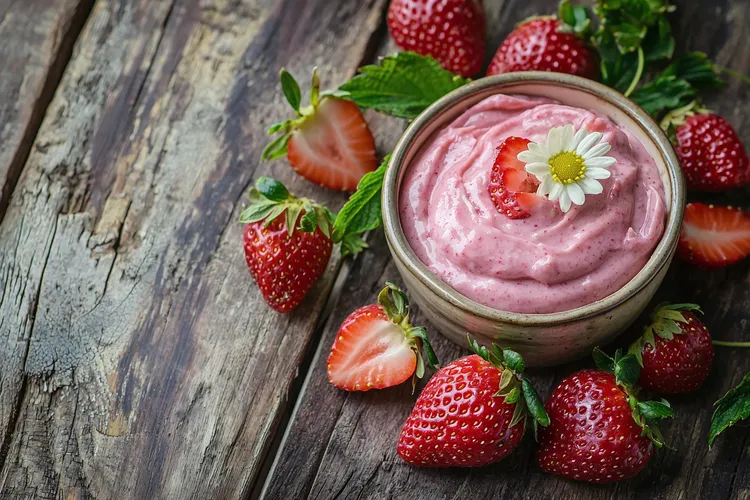
For a fast dessert-adjacent use of fresh or frozen strawberries, our 5-Minute Healthy Strawberry Frozen Yogurt turns strawberries into a genuinely quick frozen treat, a good destination for berries headed toward the softer end of their storage window that still taste good but aren't ideal for a fresh fruit bowl.
When You Want a Bright, Energizing Drink
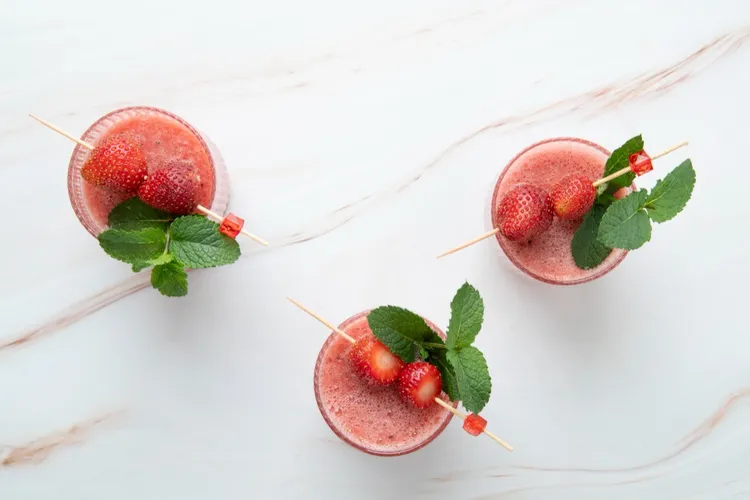
Our Strawberry, Lemon and Ginger Shot pairs strawberry with two of the pairings covered in our flavor guide, citrus and a warming spice, in a concentrated, quick-to-make format, a good use for a small handful of berries that doesn't require a large batch.
When You Have a Jar of Homemade Strawberry Jam
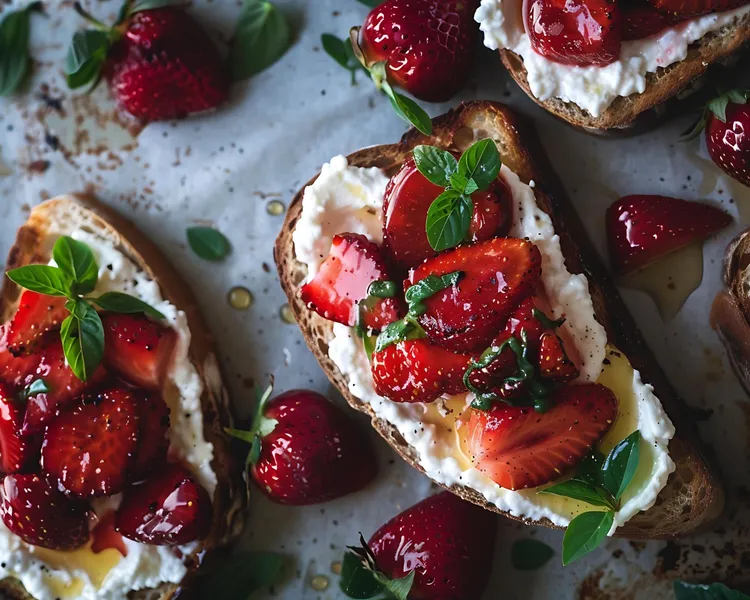
Once a batch of jam is made following our preservation guide, our Ultimate Toast with Homemade Ricotta and Strawberry Jam pairs it with fresh ricotta for a simple, elevated breakfast or snack, a good example of how a preserved batch extends a harvest's usefulness well beyond the fresh strawberry season itself.
Building a Full Meal Plan Around a Strawberry Harvest
Given how quickly strawberries decline, planning a few days of meals and snacks around a fresh harvest, rather than treating it as an ingredient to reach for occasionally, uses the fruit before it has a chance to decline in the fridge. Our meal prep planning tool can help sequence fresh eating, a quick treat, and a jam-making session across a single productive week, and our meal planning tool is useful for slotting strawberry-based dishes in alongside the rest of a weekly menu.
Matching Fruit Condition to the Right Recipe
Given how unforgiving strawberries are once picked, covered throughout this framework, matching a batch's actual condition to the right destination matters more here than for many other fruits. The best, most photogenic berries are worth reserving for raw eating or a simple preparation like the smoothie above; slightly softer berries nearing the end of their fresh window are perfectly suited to the frozen yogurt or a jam-making session, where texture matters less than flavor.
Strawberry Season and Planning Ahead
Because a home strawberry patch, particularly a June-bearing variety, delivers its harvest in a concentrated window rather than spread evenly across a season, having preservation supplies (jars, sugar, pectin) ready before peak harvest arrives avoids a scramble once a productive patch starts delivering more fruit than a household can eat fresh in any given week.
Frequently Asked Questions
Which of these recipes is the best starting point for a beginner? The Strawberry Chia Watermelon Smoothie is the most forgiving starting point, simple technique, no cooking required, and hard to seriously mishandle, before moving on to the more involved jam-making or frozen yogurt recipes.
Can these recipes be adapted for frozen rather than fresh strawberries? Yes, all of these recipes work well with frozen strawberries, and the smoothie and frozen yogurt recipes specifically benefit from frozen fruit's texture, given the softening effect covered in the food science guide actually suits a blended or churned preparation.
What if I only have a small handful of strawberries left after other uses? A small remaining quantity works well stirred into yogurt or oatmeal, blended into a small single-serving smoothie, or simply eaten fresh as a snack rather than needing a dedicated recipe.
Is it worth growing strawberries specifically to make these recipes, or is store-bought fine? Store-bought strawberries work well for every recipe here; growing your own mainly pays off in fresh-picked flavor, given how much non-climacteric ripening and prompt handling matter to final quality, along with the genuine satisfaction of a productive perennial patch that returns year after year.
A Quick Reference by What You Have
- Perfectly ripe fresh berries: Strawberry Chia Watermelon Smoothie
- Berries nearing the end of their window: 5-Minute Healthy Strawberry Frozen Yogurt
- A small handful, want something quick: Strawberry, Lemon and Ginger Shot
- A jar of homemade jam: Ultimate Toast with Homemade Ricotta and Strawberry Jam
Every dish in this recipe collection traces back to a decision made earlier in the framework for anyone growing their own, which variety was planted, how carefully harvest timing was judged, how promptly the fruit moved into storage or preservation. Seeing that connection, a berry picked at exactly the right moment ending up in tonight's smoothie, is really the point of working through this framework as a full cycle.
Frequently Asked Questions
Which of these recipes is the best starting point for a beginner? The smoothie recipe remains the most forgiving starting point regardless of skill level, requiring no cooking and tolerating variation in fruit ripeness reasonably well.
Can these recipes be scaled up for a larger harvest? Yes, the smoothie and frozen yogurt recipes scale easily by simply increasing fruit and other ingredient quantities proportionally; jam-making scales up too, though very large batches sometimes need dividing across multiple pots for even, reliable cooking.
What if a recipe calls for fresh strawberries but I only have frozen? Frozen strawberries substitute well in the smoothie and frozen yogurt recipes specifically, since both benefit from the fruit's frozen texture; for the toast and jam application, thawed frozen strawberries work for making a fresh batch of jam, though fresh fruit is generally preferred when available.
Pairing These Recipes With Other Framework Ingredients
Strawberry pairs naturally with ginger, ricotta, and citrus across the recipes referenced throughout this guide; a household already working through the ginger framework covered elsewhere in this content series has a natural opportunity to combine both harvests directly into shared dishes like the Strawberry, Lemon and Ginger Shot.
Building Strawberries Into a Weekly Routine During Peak Season
Because fresh strawberry season is comparatively brief, especially for June-bearing varieties, making a deliberate effort to use fresh fruit regularly during that window, rather than saving it for a single special occasion, captures more of the fruit's fleeting peak-season value than treating it as an occasional treat.
Adapting Recipes for Different Forms of Strawberry on Hand
Not every recipe moment calls for fresh fruit specifically. If working from frozen berries, homemade jam, or dried strawberries already prepared per the preservation guide, most of the recipes referenced throughout this guide adapt readily with reasonable substitution.
Working through this entire framework, from a bare-root crown planted in spring through a finished dish potentially years later from an established, productive bed, represents a genuinely different kind of commitment than the single-season crops covered elsewhere in this content series, and a genuinely different kind of reward once that patch is established and fruiting reliably.
Documenting What Works for Future Reference
Keeping informal notes on which strawberry-forward recipes a household actually returns to across a season helps focus future harvest planning and preservation effort on what's genuinely valued rather than continuing out of habit alone.
Cooking with strawberries regularly during their peak season, rather than treating them as an occasional special treat, is ultimately what builds the kind of intuitive comfort that makes every stage of this framework, from planting through plating, feel worthwhile.
The distance between a bare-root crown planted in early spring and a finished dish on the table, potentially years later from an established bed, is long, but every stage along the way makes the final result taste a little more earned.
Whatever the skill level in the kitchen, these recipes are meant to be a flexible, welcoming starting point, adaptable to whoever's actually doing the cooking on a given day.
Expanding Beyond This Specific Recipe List
Once the underlying principles from earlier stages in this framework, non-climacteric ripening, why cooking changes aroma so much, which pairings work and why, feel familiar, applying them to recipes well outside this specific list becomes a natural next step for anyone wanting to improvise confidently with fresh or preserved strawberries.
A recipe collection that's actually used, rather than simply admired, is the real measure of whether this entire framework has done its job, from a dormant crown in early spring to a dish worth making again.
The distance between a bare-root crown and a finished dish is long, but every stage along the way, patient planting, careful harvesting, thoughtful storage, makes the final result taste a little more earned.
As with the tomato and garlic recipe collections covered elsewhere in this content series, the real value of this list isn't the specific recipes themselves so much as the underlying confidence they build, confidence that transfers directly to any other strawberry-forward recipe encountered afterward.
Every crown planted carries that whole story forward, eventually, to a plate worth savoring.
For anyone who's worked through this entire framework, from planting a bare-root crown to plating a finished dish, sharing that full-cycle understanding with another curious cook or gardener is a natural next step, and often the best way to reinforce everything learned along the way.
That's the real reward of working through the whole cycle, from a dormant crown to a dish worth savoring, season after season.
Keeping printed or saved copies of a household's favorite strawberry recipes in one accessible place makes it considerably easier to reach for them regularly during peak season rather than defaulting to something else purely out of convenience.
Keep it visible, keep it handy, and a good recipe will get made again and again.
Where the garlic and ginger recipe collections covered elsewhere in this content series lean heavily savory, this strawberry collection leans dessert and beverage-forward, a genuinely different cooking mode worth approaching with its own mindset rather than assuming savory-cooking instincts transfer directly.
Cook, taste, repeat, and let the season's harvest lead the way.
From a dormant crown in early spring to a warm bowl of berries and cream months later, this whole framework has been about connecting the dots between a garden and a plate, one ingredient at a time.
A garden's worth of patience, distilled into a single good bite.
Start with one dish, then let curiosity take over.
Whatever recipe a household settles on first, the real skill being built isn't any single dish, it's the growing confidence to look at a bowl of fresh or preserved strawberries and know exactly what to do with them.
A good starting recipe is never really the end point, it's just the first step toward genuine comfort with an ingredient worth knowing well.
From the very first bare-root crown planted back in the opening guide of this framework to a finished dish on the table years later, the whole point has been building genuine, hands-on familiarity with an ingredient, one patient stage at a time.
Grow it, pick it, cook it, share it, that's the whole cycle, start to finish.
One more season, one more harvest, one more dish worth making again.
That's the whole point, really, worth remembering the next time a fresh pint shows up on the counter.
Grown, picked, stored, and finally cooked, each stage in this framework earns its place at the table when the last dish is finally served.
Latest








