Basil Glut Guide: How to Grow More, Store It Right, and Cook Through a Bumper Harvest
A complete plan for gardeners overwhelmed by basil: how to harvest for continuous growth, store and preserve the excess, and turn a glut into actual meals before it wilts.
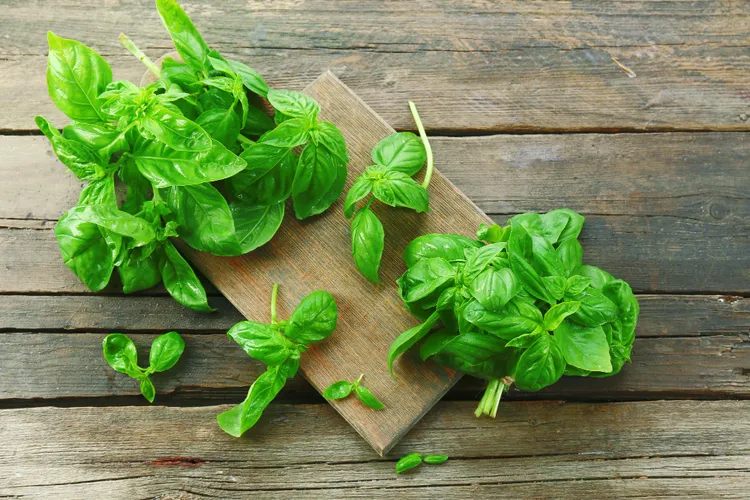
A healthy basil plant in July doesn't slow down. Pinch it every few days and it keeps pushing new growth faster than most kitchens can use it. By mid-summer, gardeners who started with two or three plants "just in case" are usually staring at a counter full of wilting leaves and wondering what went wrong. Nothing went wrong. Basil is supposed to do this. The problem is a plan, not the plant.
Why Basil Gluts Happen
Basil is one of the few herbs that rewards aggressive harvesting. Cut it back hard and it branches into two stems where there was one. Most gardeners either pick too little, fearing they'll damage the plant, or they let it flower, which stops leaf production almost entirely. The result is a plant that either underproduces all season or dumps a huge flush of leaves right before it bolts. Neither pattern spreads the harvest out evenly, which is why gluts feel sudden even though the plant has been building toward it for weeks.
Step One: Harvest It Right
How you cut basil determines how much more you'll get. Snapping off individual leaves from the top barely slows regrowth and encourages the plant to bolt sooner. Cutting whole stems just above a leaf node forces two new stems to grow from that point. For the full technique, timing, and how often to cut without stressing the plant, see How to Harvest Basil So It Keeps Producing.
Flowering is the other half of this. Once a basil plant sets flower spikes, it redirects energy away from leaves and the remaining leaves turn bitter. Catching and pinching flower spikes early is the single biggest lever for extending a harvest window. Basil Pruning and Pinching to Stop Bolting covers how to spot early flower buds and what to do if you've already missed them.
Step Two: Buy Yourself Time With Storage
Fresh basil is fragile. Refrigerator cold turns the leaves black within a day or two, which surprises people used to storing other herbs in the crisper drawer. The fix is simple once you know it: basil wants to be treated like cut flowers, not like produce. The Best Way to Store Fresh Basil walks through the water-jar method that can keep a bunch usable for a week or more at room temperature, plus what actually happens when you try the fridge anyway.
Short-term storage buys days. For a glut that's bigger than a week's worth of cooking, freezing or drying is what actually saves the harvest.
Step Three: Preserve the Excess
Basil doesn't dry as gracefully as rosemary or thyme, and it doesn't freeze well as whole leaves either, but there are methods that work if you match the method to how you'll use it later. How to Freeze Basil: Ice Cubes, Oil, and Whole Leaves compares three approaches so you're not guessing which one keeps the most flavor for sauces versus garnish. How to Dry Basil at Home covers air-drying, oven-drying, and dehydrator methods, along with realistic expectations for flavor loss, since dried basil is a genuinely different ingredient from fresh.
Preserving basil as an infused product rather than as the leaf itself often gets more mileage out of a glut. Oil, vinegar, butter, and syrup all lock in basil's flavor in a form that keeps for weeks or months instead of days.
Step Four: Turn Volume Into Meals
This is where most basil goes to waste even after successful storage: nobody has a plan for using two cups of leaves at once. A single caprese salad uses a handful. A glut needs recipes built around volume.
Pesto is the obvious answer and still the best one. Making a full batch uses far more basil per session than any other single recipe, and it freezes cleanly. Classic Basil Pesto (and 3 Variations for a Glut) covers the base recipe plus nut-free, vegan, and freezer-batch versions so you're not limited by what's in the pantry.
Infused oil is the next best volume-user, especially for leaves that are a little past their best for eating raw. Basil Oil: How to Make and Store an Infused Oil covers the blanching step that keeps the oil bright green instead of muddy, and the food-safety basics anyone making infused oil at home should know.
Basil vinegar is underused and takes almost no active time. Basil Vinegar: A Simple Way to Preserve a Glut has the steeping ratio and a few uses beyond salad dressing, including deglazing a pan.
Compound butter uses a smaller volume per batch but is one of the easiest things to have sitting in the freezer ready to slice onto a steak or into pasta water. Basil Butter: A Compound Butter for Steaks and Bread covers the log-and-freeze method.
For a genuinely fast way to burn through a big handful, Basil Simple Syrup for Lemonade and Cocktails turns basil into a pantry syrup in about 15 minutes, with three drink ideas to use it.
Not every basil variety behaves the same in these recipes. Thai basil holds up better to cooking than Genovese, and sweet basil is the standard for pesto. Thai Basil vs Sweet Basil vs Genovese breaks down which variety to reach for depending on what you're making.
Step Five: Eat It Fresh, By the Handful
Before any of it goes into a jar, use as much as possible fresh. Basil loses flavor the moment it's cut, so recipes that use a full handful rather than a garnish sprig get the most out of a glut. Caprese and Beyond: Fresh Basil Salad Ideas has five salads built around basil as a main ingredient, not a topping.
If tomatoes are also coming in heavy, which they usually are at the same time as basil, pair the two gluts together instead of solving them separately. Tomato and Basil Recipes for Peak Summer Harvest covers sauces, tarts, and a chilled soup that each use both ingredients by the pound.
Don't Forget the Stems
Most of a basil plant's weight above the leaf isn't leaf at all. Stems get composted by default, but they carry real flavor, especially the softer upper stems. What to Do With Basil Stems Instead of Composting Them covers stock infusions and a stem-heavy pesto variation that stretches a harvest further.
Planning Ahead: Extend the Season Instead of Racing It
A single flush that overwhelms the kitchen is usually a sign the plant was allowed to grow unchecked for too long before the first serious harvest. Regular, hard cutting from early in the season spreads production out and makes gluts smaller and more frequent instead of one enormous wave. Bringing a plant indoors before frost, or starting a second round from cuttings, keeps a steady supply going well past the outdoor growing season. Growing Basil Indoors Year-Round covers light requirements, pot size, and succession planting for exactly this.
A Practical Week to Work Through a Glut
If you've got two or more cups of leaves sitting on the counter right now, here's a realistic order of operations: harvest and store what you'll eat fresh in the next three days using the water-jar method. Make a double batch of pesto and freeze half in ice cube trays for portioned use later. Blanch and freeze a second batch as basil oil if leaves are still coming. Use anything slightly wilted or bruised for vinegar or syrup, since both hide imperfect leaves better than a salad does. Save the stems for a stock infusion instead of the compost bin. Mapping out a few days of meals ahead of time makes it much easier to actually get through a big harvest before it turns, and a simple weekly meal plan is often the difference between using a glut and losing it.
Matching Preservation Methods to How You Cook
Not every household needs every method in this guide. If most weeknight cooking revolves around pasta and soups, pesto and freezer oil cubes will cover the bulk of a glut with the least ongoing effort. If entertaining or cocktails are a bigger part of how basil gets used, syrup and vinegar earn their place faster. Drying only makes sense if a household already reaches for dried herbs regularly; if not, a jar of dried basil tends to sit unused far longer than a bag of frozen pesto cubes does.
It's also worth thinking about freezer and fridge space honestly before committing an entire harvest to one method. A dozen ice cube trays of pesto base takes up real freezer room. Spreading a large glut across two or three methods, some oil, some vinegar, some fresh salads eaten within the week, is often more realistic than trying to freeze everything.
Common Mistakes That Waste a Glut
- Waiting too long to act. Basil's window for high-quality preservation is short. Leaves that have already started blackening from cold damage or sitting too long on the counter won't improve with any of the methods above; use them while they're still green and pliable.
- Washing everything at once. Wet basil spoils faster whether it's headed for the water jar, the freezer, or the dehydrator. Wash only what you're using immediately, and keep the rest dry until right before processing.
- Treating every leaf the same. Save the best, most tender top growth for fresh salads and caprese, where texture and appearance matter. Send older, larger, or slightly sun-worn leaves to pesto, oil, and vinegar, where they'll be processed anyway.
- Skipping the stems. A meaningful portion of a basil harvest's weight is stem, and most of it gets composted by habit rather than necessity. See What to Do With Basil Stems Instead of Composting Them before clearing the cutting board.
Frequently Asked Questions
How much basil counts as a "glut"?
There's no fixed number, but if a single harvest produces more than what a household will eat fresh within 3 to 4 days, roughly more than a cup or two of loosely packed leaves, it's worth starting a preservation plan rather than hoping to keep up with it fresh.
Can I mix basil varieties in the same recipe?
Generally yes, though the flavor will shift depending on the ratio. See Thai Basil vs Sweet Basil vs Genovese for how each variety behaves differently in cooked versus raw preparations.
Does basil regrow after a hard preservation-focused harvest?
Yes, as long as the cuts are made correctly. A hard harvest timed for a big preservation session uses the same technique as a routine harvest; see How to Harvest Basil So It Keeps Producing for the cutting method that encourages fast regrowth rather than stalling the plant.
Tips for Success
Harvest in the morning after dew has dried but before the heat of the day, when oil content in the leaves is highest. Never wash basil until right before you use it; wet leaves bruise and blacken faster than dry ones. When in doubt about a preservation method, match it to how you'll actually cook: oil and butter for savory dishes, syrup for drinks, vinegar for dressings, and pesto for nearly everything.
Latest