Basil Vinegar: A Simple Way to Preserve a Glut
A no-cook basil vinegar recipe with the right steeping ratio, plus uses beyond salad dressing.
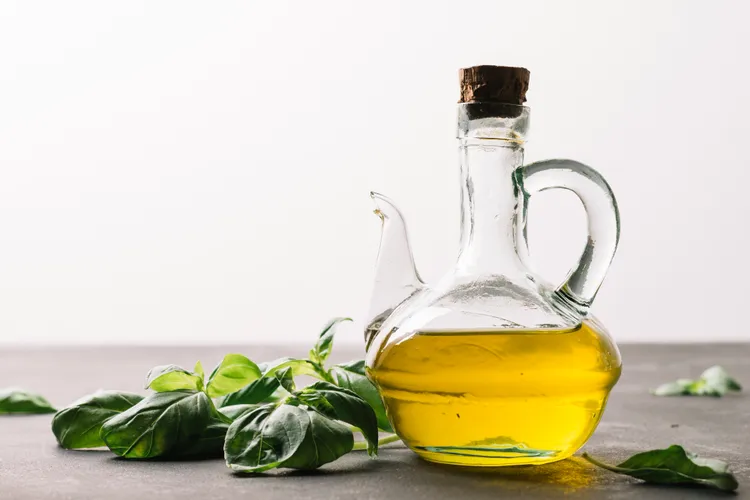
Basil vinegar takes about five minutes of active time and turns a big handful of leaves into something that keeps for months. It's one of the least labor-intensive ways to use up a glut, which makes it worth doing even when there isn't time for pesto or oil.
Basic Ratio and Method
Use 1 cup lightly packed basil leaves to 2 cups vinegar. White wine vinegar and light rice vinegar work well because they don't compete with basil's flavor; apple cider vinegar is fine too but adds its own noticeable character.
- Lightly bruise the basil leaves by pressing them with the back of a spoon or rolling them between your palms, this helps release the aromatic oils faster
- Pack the leaves into a clean glass jar
- Warm the vinegar gently, just until it's warm to the touch, not boiling, then pour it over the leaves
- Seal the jar and store in a cool, dark place for 1 to 2 weeks, shaking gently every couple of days
- Strain out the leaves through a fine mesh sieve and transfer the finished vinegar to a clean bottle
The warm-but-not-boiling vinegar speeds up the infusion without cooking the basil into a muddy flavor the way fully boiling vinegar can.
How to Know It's Ready
Taste a small amount after one week. If the basil flavor is present but mild, let it steep longer, up to two weeks total. Once the flavor is where you want it, strain promptly; leaving basil in the vinegar indefinitely can eventually turn slightly bitter, since basil's more delicate oils fade while tougher plant compounds keep extracting.
Storage Life
Because vinegar's acidity is inherently inhospitable to most spoilage organisms, unlike oil, finished and strained basil vinegar keeps well at room temperature for 3 to 6 months in a sealed bottle away from direct light. This makes it meaningfully lower-maintenance than infused oil, which needs refrigeration throughout its shelf life.
Uses Beyond Salad Dressing
- Deglazing a pan: a splash after searing chicken or pork lifts the browned bits and adds a bright basil note to the pan sauce
- Marinades: combine with olive oil and garlic for a quick chicken or vegetable marinade
- Finishing drizzle: a few drops over grilled tomatoes, mozzarella, or roasted vegetables just before serving
- Quick pickling liquid: mix with water and salt for a fast pickle on cucumbers or onions with a basil undertone
- Cocktail or mocktail addition: a small splash in a gin-based drink or sparkling water adds herbal complexity
Why This Is a Good Fit for a Glut
Basil vinegar tolerates slightly imperfect leaves better than most other preservation methods. Leaves that are a bit past their prime for a fresh salad, as long as they're not blackened or slimy, still infuse a vinegar just fine, since the leaves are strained out and discarded anyway. This makes it a good place to send basil that's on the edge of usable rather than composting it.
For a broader look at how vinegar fits alongside oil, pesto, and other preservation methods when working through a large harvest, see the Basil Glut Guide.
Seasonal Timing for Basil Vinegar
Basil vinegar is one of the more forgiving projects to fit into an already busy preservation schedule during peak harvest weeks, since the active time is under five minutes and the rest happens passively on a shelf. It's a good candidate for the very end of a long harvest and processing session, when energy for more involved recipes like pesto or oil has run out but there's still basil left on the counter. Because the finished vinegar doesn't need refrigeration, it also doesn't compete for the fridge and freezer space that oil, pesto, and frozen basil all need during a big glut.
Choosing a Vinegar Base
White wine vinegar gives the cleanest, most versatile result and is the safest default if unsure which to use. Rice vinegar produces a milder, slightly sweeter infusion that works well in Asian-inspired dressings. Champagne vinegar is a good choice for a more delicate result suited to lighter salads. Apple cider vinegar's own strong flavor will compete more with basil, producing a heartier, more rustic vinegar better suited to marinades than delicate dressings. Balsamic is generally not recommended as a base since its own flavor is strong enough to mostly overwhelm basil's more subtle notes.
Combining Basil With Other Ingredients
Basil vinegar pairs well with a few additions steeped alongside it: a few black peppercorns, a strip of lemon peel, or a small clove of garlic all complement basil without overwhelming it. Add these to the jar at the same time as the basil leaves rather than after straining, so their flavors infuse together over the full steeping period.
Common Mistakes
- Using a reactive metal lid. Vinegar's acidity can corrode certain metal lids over a multi-week infusion. Use a glass lid, a plastic-lined lid, or place a layer of parchment between the jar and a metal lid to prevent this.
- Steeping in direct sunlight. Light exposure during steeping fades both color and flavor faster than a dark cupboard or pantry would.
- Not tasting before straining. Steeping time is a range, not a fixed number, and basil quality, vinegar type, and leaf-to-liquid ratio all affect how quickly the flavor develops. Taste starting at the one-week mark rather than assuming a fixed two weeks is always correct.
Frequently Asked Questions
Can I reuse the strained-out basil leaves for anything?
Not really for eating, since most of their flavor has transferred to the vinegar, but they can still go into a compost pile rather than the trash.
Does basil vinegar need to be refrigerated?
No, unlike infused oil, properly made and strained basil vinegar is shelf-stable at room temperature due to vinegar's inherent acidity. Store it in a cool, dark cabinet rather than the fridge.
Can I make a larger batch and can it for long-term shelf storage?
Basil vinegar can be made in larger batches, but true shelf-stable canning requires proper acidity levels and processing methods beyond simple infusion. For most home cooks, a well-sealed bottle stored in a cool, dark cabinet for 3 to 6 months is a simpler and entirely adequate approach without needing formal canning.
Tips for Success
Use a clean, dry jar and dry basil leaves (patted dry if rinsed); introducing extra water dilutes the vinegar's acidity and can shorten shelf life. Label the bottle with the date it was made, since flavor does gradually mellow over several months even though the vinegar itself doesn't spoil in that timeframe. Because a bottle lasts for months, it's worth noting a few upcoming meals where it could replace a plain vinegar in a shopping or meal plan, so it gets worked into regular cooking rather than forgotten in the back of a cabinet.
Latest