Thyme and Garlic Braised Short Ribs
A slow-braised short rib recipe that shows off thyme's ability to hold up through hours of cooking without losing its flavor or turning bitter.
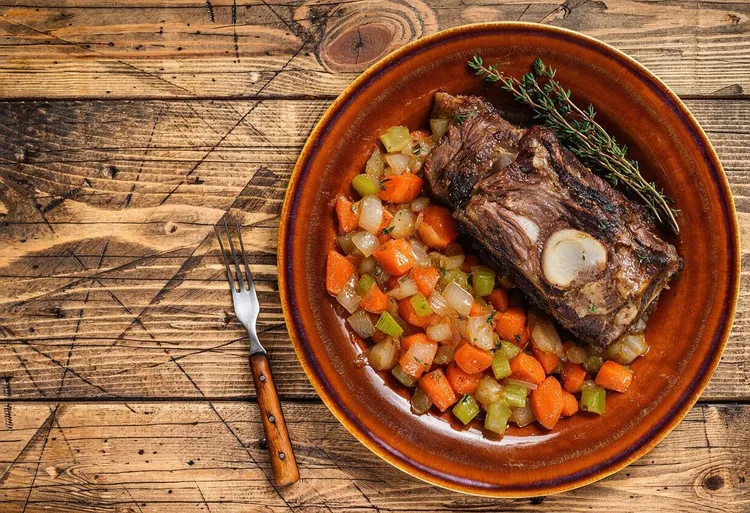
Thyme's biggest advantage over more delicate herbs is that it holds up to hours of simmering without turning bitter or disappearing entirely - which makes it the natural choice for a long, slow braise like this one.
Thyme and Garlic Braised Short Ribs
Prep time: 20 minutes | Cook time: 3 hours | Serves: 4
Ingredients
- 3 lbs bone-in beef short ribs
- Salt and black pepper, to season
- 2 tbsp olive oil
- 1 onion, diced
- 2 carrots, diced
- 2 celery stalks, diced
- 6 garlic cloves, smashed
- 2 tbsp tomato paste
- 1 cup dry red wine
- 3 cups beef broth
- 6 sprigs fresh thyme
- 2 bay leaves
Instructions
- Preheat the oven to 325°F (163°C). Season the short ribs generously with salt and pepper.
- In a large Dutch oven, heat the olive oil over medium-high heat. Sear the short ribs on all sides until deeply browned, about 8 to 10 minutes total, working in batches if needed to avoid crowding the pot. Remove and set aside.
- Lower the heat to medium and add the onion, carrots, and celery to the same pot. Cook for 5 to 6 minutes until softened, scraping up any browned bits from the bottom.
- Add the garlic and cook for 1 minute until fragrant, then stir in the tomato paste and cook for another minute.
- Pour in the red wine, scraping up any remaining browned bits, and let it simmer for 2 to 3 minutes to cook off some of the alcohol.
- Return the short ribs to the pot and add the beef broth, thyme sprigs, and bay leaves. The liquid should come about two-thirds of the way up the ribs; add more broth or water if needed.
- Bring to a simmer on the stovetop, then cover and transfer to the oven. Braise for 2.5 to 3 hours, until the meat is fork-tender and pulling away from the bone.
- Remove the ribs and thyme sprigs (they'll have mostly fallen apart by this point - discard any woody stems). Skim excess fat from the surface of the braising liquid and simmer it on the stovetop for 10 to 15 minutes to reduce and thicken slightly if needed.
- Return the ribs to the sauce to coat before serving.
Notes
This dish is even better the next day - make it ahead, refrigerate overnight, and skim the solidified fat off the top before reheating gently on the stovetop.
Why Thyme Works So Well Here
Thyme's flavor compounds are more stable under long, moist heat than a delicate herb like basil or tarragon, which is why it can go in at the very start of a three-hour braise and still contribute meaningfully to the final flavor rather than cooking away entirely. Bay leaf, which also holds up well to long cooking, is a natural partner here for the same reason.
What to Serve With It
Creamy mashed potatoes or polenta are classic accompaniments for soaking up the braising liquid. A simple green salad with a thyme vinaigrette makes a good contrast on the side.
Variations
- Slow cooker version: Sear the ribs and sauté the vegetables as directed, then transfer everything to a slow cooker and cook on low for 7 to 8 hours.
- No wine: Substitute more beef broth for the wine if you'd rather avoid alcohol; add a tablespoon of balsamic vinegar for a bit of acidity instead.
- Root vegetable addition: Add chunks of parsnip or turnip along with the carrots for a heartier, more stew-like final dish.
This is one of the best demonstrations of thyme's range - a herb that works just as well after three hours of simmering as it does finely chopped into a quick dressing. For more, see the complete thyme guide.
Latest