What Is Ají Amarillo and How Do You Cook With It?
Ají amarillo is Peru's most important chile - fruity, bright, and moderately hot. In paste form it's one of the most versatile ingredients in South American cooking, going into sauces, stews, and marinades. Here's what it tastes like, where to buy it, and how to start using it.
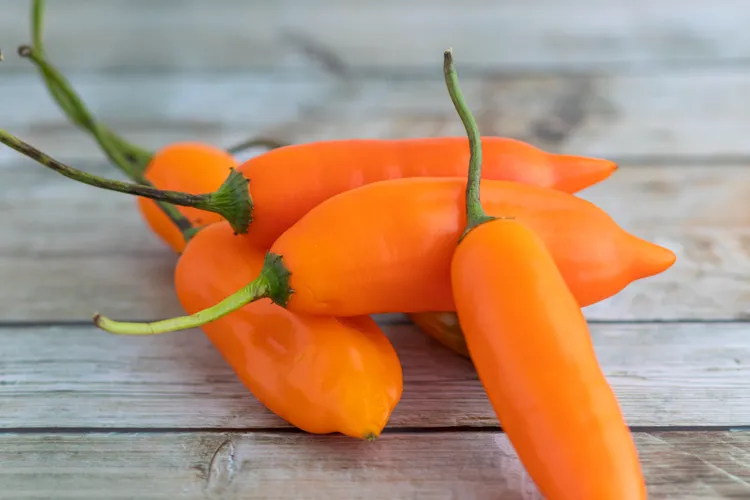
The flavor of ají amarillo is unlike other chiles. It's fruity in a tropical way - notes of mango and passion fruit alongside the heat, with a bright finish that lifts dishes rather than weighing them down. The heat sits in the middle of the Scoville scale, around 30,000-50,000 units, making it hotter than a jalapeño but gentler than a habanero.
Fresh vs. Paste: What to Buy
Fresh ají amarillo is available in some Latin American grocery stores and occasionally at farmers markets in cities with large Peruvian communities. If you can get them fresh, blanch and peel before using - the skin is tough and bitter. Remove the seeds and veins to reduce heat.
For most home cooks, jarred paste is the right call. The paste is made from blended, deseeded ají amarillo and is shelf-stable until opened, then keeps in the fridge for months. Brands like Tari and Inca's Food are widely available on Amazon and in Latin specialty stores. A 7-8oz jar costs $4-6 and lasts through many recipes.
How Hot Is It?
Moderate. On a 1-10 scale where jalapeño is a 3 and habanero is an 8, ají amarillo sits around 5. The heat is real but it doesn't overwhelm the flavor. If you're sensitive to heat, start with half the quantity a recipe calls for and build up.
Five Ways to Use Ají Amarillo Paste
- Huancaína sauce: The most common use. Blend paste with fresh cheese, crackers, and evaporated milk into a creamy dip for potatoes. Full recipe in our huancaína sauce guide.
- Ají de gallina: Sauté paste with onion and garlic, add bread soaked in evaporated milk, then fold in shredded chicken. One of Peru's great comfort dishes - see the full ají de gallina recipe.
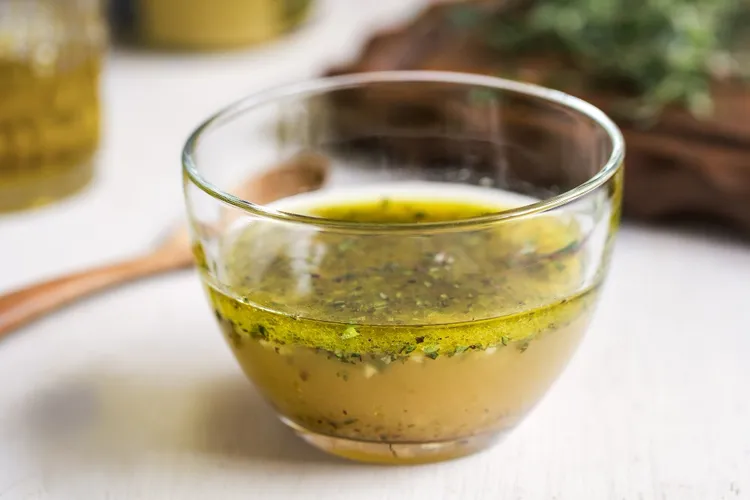
- Marinade: Mix 2 tbsp paste with 3 tbsp lime juice, 2 tbsp olive oil, and garlic. Use on chicken thighs before grilling - 30 minutes minimum, overnight is better.
- Causa: Layer mashed potato (seasoned with ají amarillo paste, lime, and oil) with tuna or avocado filling. Cold, served as a terrine slice.
- Stir into mayo: One tablespoon of paste stirred into 4 tablespoons of mayonnaise makes an instant ají aioli for sandwiches, burgers, and fries.
Ingredients for a Basic Ají Amarillo Chicken Marinade
- 2 tbsp ají amarillo paste
- 3 tbsp fresh lime juice
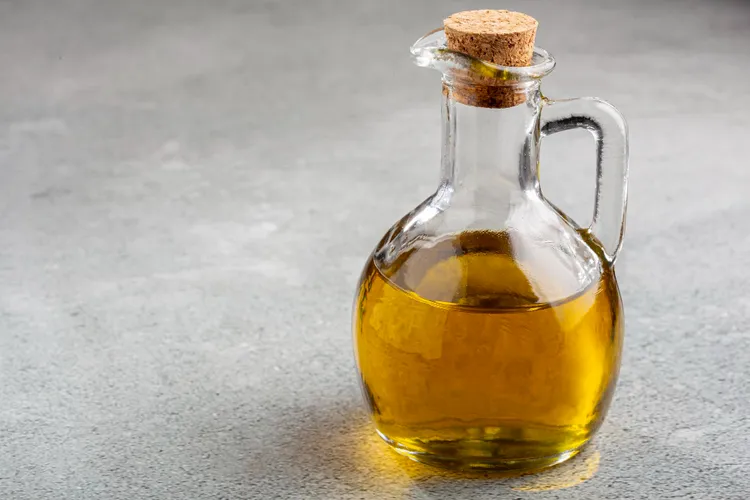
- 2 tbsp olive oil
- 2 garlic cloves, minced
- 1 tsp cumin
- 1/2 tsp salt
Instructions
- Whisk all marinade ingredients together in a bowl.
- Score chicken thighs lightly with a knife to help the marinade penetrate.
- Coat chicken thoroughly and marinate in the fridge for at least 30 minutes, up to overnight.
- Grill or pan-roast over medium-high heat until cooked through - about 6-7 minutes per side for bone-in thighs.
- Rest for five minutes before serving with salsa criolla or rice.
Nutrition (marinade only, per serving)
- Calories: ~45 kcal
- Protein: 0g
- Carbs: 3g
- Fat: 4g
Substitutes When You Can't Find It
There's no perfect substitute - ají amarillo has a unique flavor. In a pinch: half habanero paste and half sweet pepper paste gets you close on color and heat level, but the fruity depth won't be there. For dishes where the paste is a background flavor (stews, braises), the substitute works adequately. For dishes where it's the main flavor (huancaína), find the real thing.
Where Ají Amarillo Fits in South American Cooking
Ají amarillo is the foundation of Peruvian cooking, but it's one of many chiles used across the continent. For a broader picture of South American condiments and cooking, see our complete guide covering sauces and techniques from Argentina to Colombia.
Latest