What Is Garum? The Ancient Roman Sauce That's Back in Modern Kitchens
Garum was Rome's most essential condiment - a fermented fish sauce used the way we use salt today. After 1500 years of obscurity, it's back, driven by fermentation-obsessed chefs and home cooks who want deeper flavour without more ingredients.
Roman soldiers received garum as part of their ration. Roman traders shipped amphorae of it across the empire. Roman cookbooks referenced it in nearly every recipe. And then, with the fall of Rome, it largely disappeared - replaced by salt and later by the European rediscovery of Asian fish sauces. The fact that garum is genuinely interesting to a home cook in the 21st century is partly a food history story and partly a practical one: it produces flavour that is hard to replicate any other way.
What Garum Actually Is
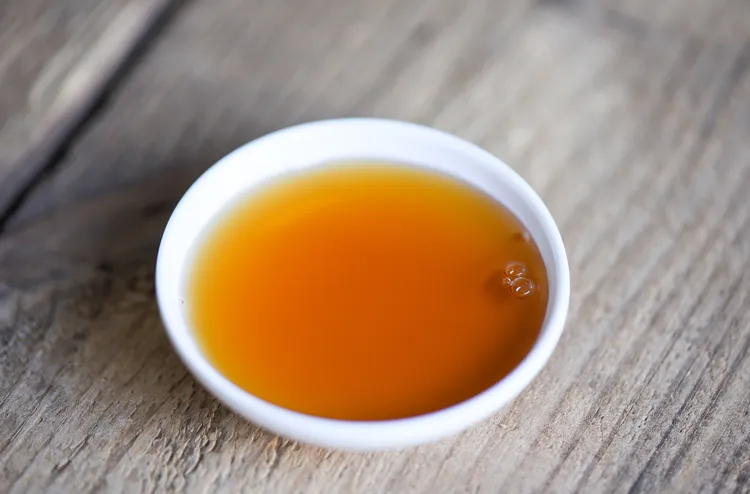
Garum is a fermented fish sauce made by packing fish - whole small fish like mackerel or sardines, or fish offal - in salt, usually in a ratio of roughly 3 parts fish to 1 part salt, and leaving the mixture to ferment at warm temperatures for weeks to months. The salt draws out moisture, inhibits harmful bacteria, and creates an environment where the fish's own enzymes (and halophilic, salt-loving bacteria) slowly break down the proteins into free amino acids and peptides. The liquid that results is strained off and bottled. The result is garum: dark amber, intensely savoury, and about as umami-dense as any liquid food gets.
The solids left behind were called allec - a cheaper, paste-like by-product that Romans of lesser means used when the liquid was too expensive.
Garum vs Fish Sauce: Are They the Same Thing?
Very nearly. Modern Vietnamese nuoc mam and Thai nam pla are essentially garum made by the same process, just with different fish species and different fermentation traditions. The main differences are:
- Fish used: Roman garum often used mackerel, scomber, and sometimes the intestines and blood of larger fish. Modern Asian fish sauces typically use small whole fish (anchovies, herrings) fermented whole.
- Fermentation time: Roman garum was aged for 6-12 months in open vessels. Premium fish sauces like Red Boat 40°N use a similar timeline. Budget fish sauces may be accelerated with heat.
- Flavour profile: Traditional garum made with offal or blood is darker and more complex than standard fish sauce. Modern chefs (Noma in Copenhagen most famously) have made garums from beef blood, pork, chicken, and even grain - extending the concept far beyond fish.
For day-to-day cooking, a good fish sauce is a reliable garum substitute. For the full detail on making your own, see How to Make Garum at Home.
The Fall and Revival of Garum
Garum disappeared from European cooking gradually as the Roman trade networks that distributed it collapsed. Colatura di alici - an aged anchovy drip sauce still made on the Amalfi Coast - is its most direct surviving descendant in Europe. The rest of the tradition migrated east, where it never stopped being made.
The modern revival is largely credited to Noma restaurant in Copenhagen, which published its fermentation work in the Noma Guide to Fermentation (2018) and introduced beef garum, mushroom garum, and other non-fish versions to a wider audience. The concept spread quickly among food-curious home cooks. The appeal is logical: garum is cheap to make, uses ingredients (offal, fish scraps) that would otherwise be wasted, and produces a condiment of remarkable quality.
For a full overview of the fermented umami landscape, see the Complete Guide to Garum and Fermented Umami Sauces.
How Garum Tastes (and How It Doesn't)
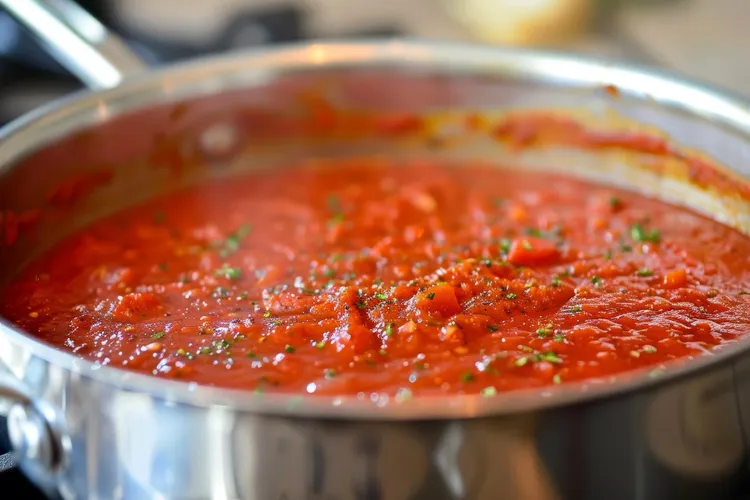
The most common concern from cooks new to garum or fish sauce: will it make everything taste like fish? No - and this is the point. When added in tablespoon quantities to a hot dish, garum contributes umami depth and salinity. The specific fish character dissolves into the background. A teaspoon of garum in a tomato sauce does not produce a fishy sauce; it produces a tomato sauce that tastes significantly more of tomatoes.
Used as a finishing condiment on sashimi or pasta, a high-quality garum or colatura does express more of its character - slightly fermented, oceanic, complex. That is when the distinction between a cheap fish sauce and a well-made garum becomes relevant.
Where to Buy Garum (Store-Bought Options)
True garum as a labelled product is available from a handful of sources:
- Colatura di alici from producers like Nettuno or Delfino Battista is the closest commercial equivalent. Available from Italian delis and online. Around £10-15 per 100ml bottle.
- Red Boat Fish Sauce 40°N - not labelled as garum but made by traditional single-fermentation methods with no additives. ~£8 per 500ml. A reliable premium fish sauce.
- Noma-style garums - some specialist fermentation producers now sell beef garum and similar modernist versions. Expensive but genuine.
- Budget alternative: Any single-ingredient fish sauce (anchovies + salt, nothing else) works as a garum substitute in cooking. Tiparos or Squid Brand at ~£2-3 per bottle are solid choices.
Macros and Nutrition
Garum and fish sauce are seasoning-level additions. Per tablespoon (approx. 15ml):
- Calories: 5 kcal
- Protein: 0.9g
- Fat: 0g
- Carbs: 0.5g
- Sodium: ~1200-1500mg
The sodium is the only number that matters practically. If you are using garum as a salt replacement rather than an addition, the total sodium in the dish does not necessarily increase - it shifts source.
Five Ways to Use Garum This Week
- Substitute a teaspoon of fish sauce for half the salt in a pasta sauce or braise.
- Add a few drops of colatura (or fish sauce) to vinaigrette in place of anchovies.
- Marinate chicken thighs in fish sauce + garlic + black pepper for 30 minutes before pan-roasting. Try it with these pan-roasted chicken thighs.
- Deglaze a pan with a splash of fish sauce after browning meat. Scrape up the fond; the umami compounds left in the pan amplify the sauce significantly.
- Dress a simple cabbage salad with fish sauce, lime juice, and a little sugar in place of salt. A lighter version of the base dressing in this cabbage salad.
Latest