How to Make Garum at Home: A Step-by-Step Fermentation Guide
Homemade garum takes 8-12 weeks and costs almost nothing. The result is a fermented fish sauce more complex than anything you can buy at a standard supermarket. This guide covers two versions: a traditional fish garum and a faster modern beef garum.
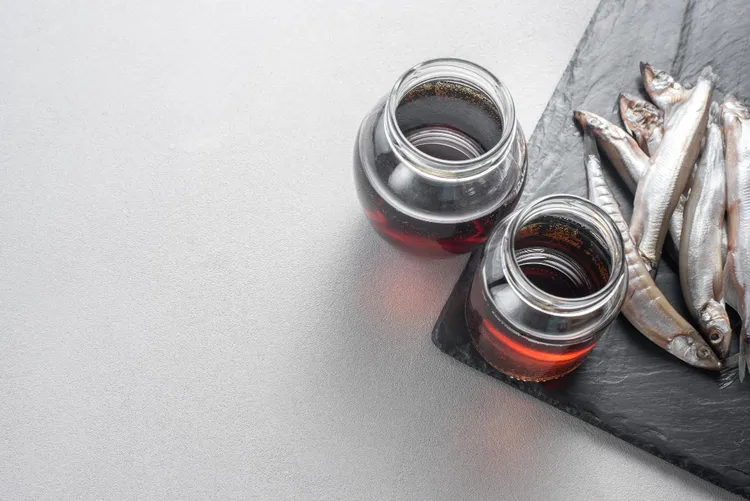
The barrier to making garum at home is almost entirely psychological. The process itself involves two active steps - mixing fish and salt - followed by weeks of waiting. The fermentation does the work. What you end up with is roughly 500ml of intensely savoury liquid for a cost of under £3 in ingredients, and the satisfaction of having made something that Roman cooks would recognise.
What You Need
For a basic fish garum (makes ~400-500ml finished sauce):
- 500g small oily fish - whole sardines, sprats, or anchovies work best. Frozen and thawed is fine. Ask a fishmonger for offcuts or fish heads if you want to keep costs down.
- 150g fine sea salt (roughly 25% by weight of the fish). Non-iodised salt preferred - iodine can inhibit fermentation microbes.
- A sterilised glass jar, at least 1 litre capacity, with a loose-fitting lid or cloth cover (allows gas exchange).
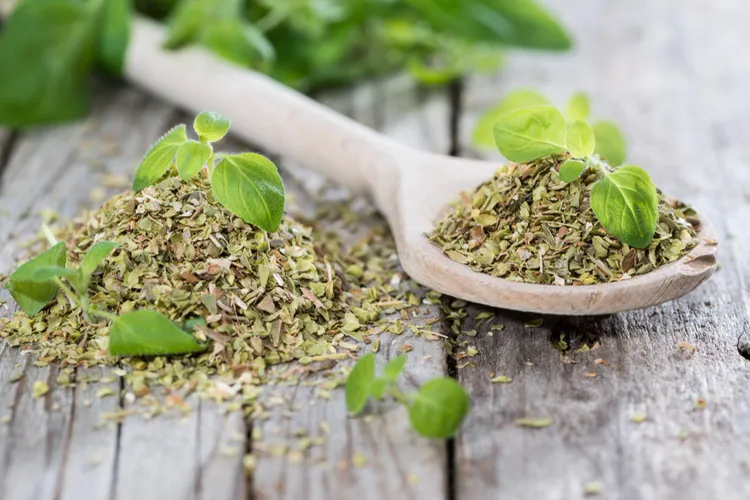
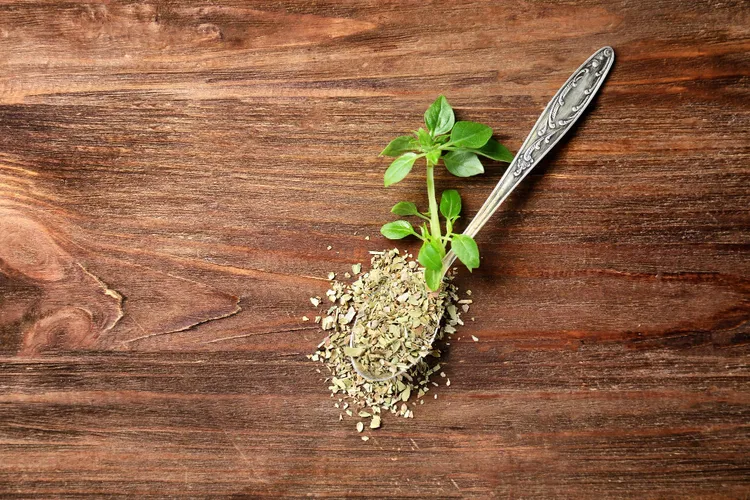
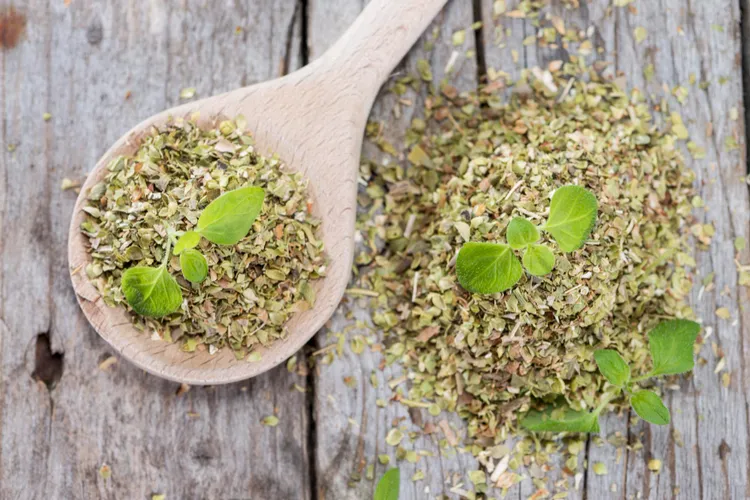
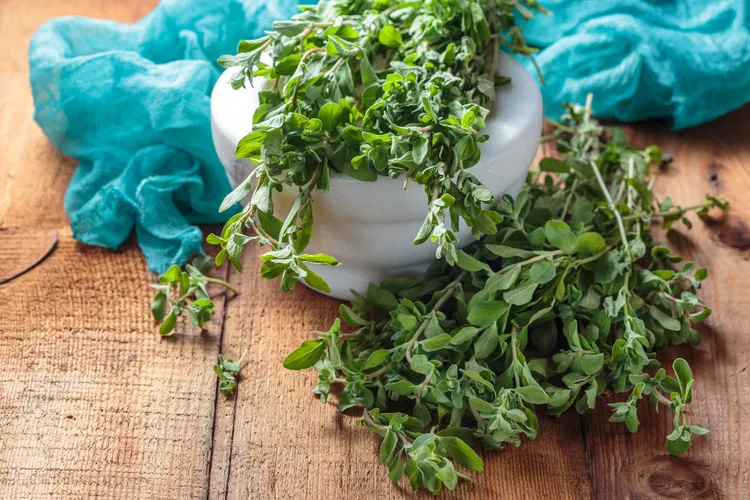
- Optional: 1 tbsp dried herbs (thyme, bay, oregano) - Roman recipes often included herbs for flavour complexity.
Equipment: kitchen scales, a fine-mesh strainer or muslin cloth, a clean glass bottle for the finished sauce.
The Method: Traditional Fish Garum
- Prepare the fish. No need to gut or clean small fish like sardines or sprats - the enzymes in the intestines drive fermentation. Larger fish should be roughly chopped.
- Salt and pack. Mix fish and salt thoroughly. Pack tightly into the jar, pressing down to eliminate air pockets. If using herbs, layer them in. The jar should be no more than three-quarters full - liquid will rise as fermentation begins.
- Cover and locate. Cover the jar loosely (a cloth secured with a rubber band is ideal - allows CO2 to escape without letting insects in). Place in a warm spot: 20-30°C is ideal. An airing cupboard, a warm kitchen corner, or outdoors in summer.
- Stir daily for the first two weeks. This prevents surface mould from establishing and distributes the brine. The smell will be strong - that is normal.
- Wait 8-12 weeks. The fish will progressively liquefy. Finished garum is a dark amber liquid sitting above a layer of darker solids. It smells intensely savoury rather than rotten - complex and oceanic.
- Strain and bottle. Pour through a fine-mesh strainer or muslin. Bottle the liquid. Keep the solids (allec) - they work as a spread or flavouring paste.
Storage: Finished garum keeps refrigerated for 12+ months. The high salt content is preservative. If a thin white film develops on stored garum, skim it off - it is harmless kahm yeast, common in high-salt ferments.
Troubleshooting
- Strong ammonia smell: Normal in early fermentation (days 1-14). If it persists past week 4, the salt ratio may be too low. You can add more salt and continue.
- No liquid after two weeks: The fish may need more warmth. Move to a warmer spot. The salt draws out moisture progressively.
- Green or black mould: Remove it immediately and add a thin layer of salt to the surface. Unlike the benign white kahm yeast, coloured mould should be dealt with promptly.
- Too salty in the end: Dilute with a small amount of water and re-taste, or use smaller quantities per dish.
The Modern Shortcut: Beef Garum
The Noma-style beef garum uses koji (Aspergillus oryzae mould spores, available online) to accelerate the fermentation dramatically - 3-4 weeks instead of 3 months. It uses beef scraps and is fermented at a precise 60°C in an oven or dehydrator. The full recipe is in the beef garum guide. For a first ferment, the traditional fish version is more forgiving and requires no special equipment.
Cost per Batch
- 500g sardines (frozen): ~£1.50-2.00
- 150g sea salt: ~£0.20
- Total: ~£1.70-2.20 for ~450ml finished garum
That works out to roughly 40p per 100ml - a fraction of the cost of premium fish sauce or colatura. The time cost is real (8-12 weeks) but almost entirely passive.
How to Use Your Homemade Garum
Start with small amounts while you calibrate the saltiness of your batch - homemade garum varies. A teaspoon in a pan sauce, a few drops finishing a pasta, a splash in a marinade for chicken (like these pan-roasted chicken thighs). The full range of applications is in the Complete Guide to Garum and Fermented Umami Sauces.
Latest