Anchovy Paste vs Whole Anchovies: Which Delivers More Umami Per Calorie?
Anchovy paste in a tube and whole anchovy fillets in a tin both deliver fermented umami - but they behave differently in cooking, cost differently, and have meaningfully different shelf lives. This guide settles which format to stock and when to use each.
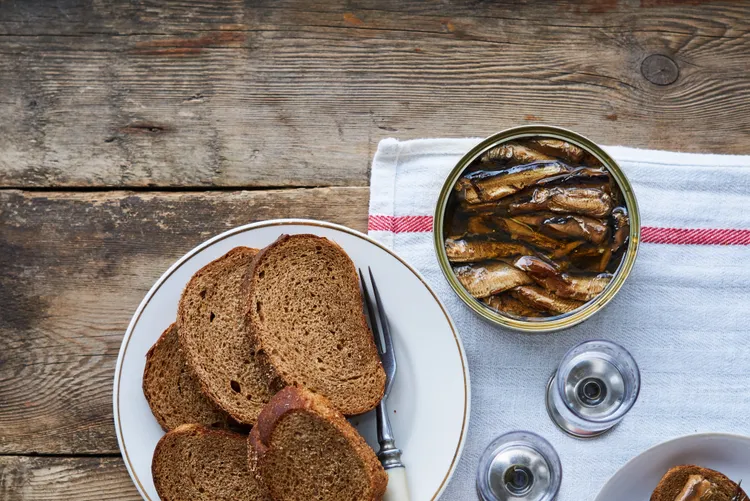
The anchovy section of most supermarkets offers two options: small tins of olive-oil-packed whole fillets, and tubes of anchovy paste. Most home cooks buy the tins because they seem more "real" and then waste half of them when a recipe calls for two fillets. The tube gets ignored. This is exactly backwards for most everyday cooking applications.
The Key Differences
Anchovy Paste in a Tube
- What it is: Ground anchovy fillets, usually with a small amount of salt and sometimes olive oil. No whole fish, no bones, no oil to dispose of.
- Shelf life: 6-12 months in the fridge once opened. No waste from unused fillets.
- Convenience: Squeeze directly into the pan or bowl. No chopping, no draining.
- Flavour intensity: Slightly more concentrated than equivalent weight of whole fillets, but slightly less complex because the fish are more processed.
- Macros per tsp (~5g): 8-10 kcal, 1g protein, 0.5g fat, 0g carbs, ~200-250mg sodium
- Cost: ~£1.50-2 per 60g tube. Equivalent to ~10-12 anchovy fillets.
Whole Anchovy Fillets (Tin or Jar)
- What they are: Whole anchovy fillets, cured in salt, packed in oil. The individual fillets allow you to see and control exactly what you're adding.
- Shelf life: Tinned: 3+ years unopened; 1-2 days once opened (transfer to a sealed container and refrigerate). Jarred: refrigerate once opened, use within 2-3 weeks.
- Convenience: Requires draining and sometimes chopping. The oil in the tin is flavourful and worth using.
- Flavour intensity: Slightly more nuanced and complex than paste - the whole curing process preserves more aromatic compounds.
- Macros per fillet (~4g): 8 kcal, 1g protein, 0.5g fat, 0g carbs, ~150mg sodium
- Cost: ~£1-3 per tin (8-12 fillets). Budget brands from supermarkets are fine for cooking-in; quality matters more for finishing dishes.
Umami Per Calorie: The Numbers
Both formats have roughly 2 kcal per gram. Both have a high free glutamate content from the fermentation/curing process. Paste has a slight edge in glutamate concentration due to the breakdown from processing; whole fillets have a slight edge in aromatic complexity. The practical umami-per-calorie difference is negligible for cooking purposes.
What actually varies is umami per £: bulk tins of anchovy fillets from specialist delis (~£4-5 for 100g) are the best value. Budget supermarket tins and paste tubes are comparable and both excellent value.
Which to Use When
- Cooking base (dissolving into oil before aromatics): Paste. Easier to measure, dissolves faster, no chopping.
- Dressings and sauces where anchovies are blended: Paste. Already smooth.
- Pizza, flatbreads, tapenade - where anchovies are visible: Whole fillets. The texture and appearance matter.
- High-quality finishing - pasta puttanesca, spaghetti with colatura alternative: Whole fillets. The flavour nuance is worth the minor extra effort.
- Compound butter or umami butter: Either. Paste is easier to integrate.
The Practical Answer
Stock both. A tube of paste (~£1.50) for everyday cooking use, and a tin or jar of whole fillets for dishes where the texture and appearance of the anchovy matters. Together they cost under £4, last months, and cover virtually every application. The paste tube in particular is one of the highest-value items in a home kitchen for the fridge space it takes.
For how anchovies fit into the broader fermented umami pantry alongside fish sauce, miso, and garum, see the Complete Guide to Garum and Fermented Umami Sauces.
Latest