Rosemary: Growing, Cooking, and Using It Like a Chef
A complete guide to rosemary for home cooks - growing it in pots or beds, storing a surplus, and the recipes that put this hardy, versatile herb to real use.
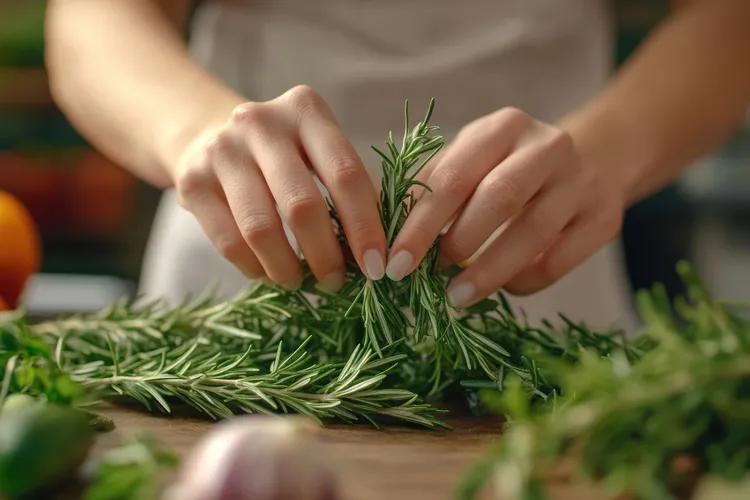
Rosemary is one of the few herbs that forgives almost every mistake a home cook can make with it. It survives drought, bounces back from a hard prune, dries without losing much flavor, and holds up to long roasting times that would turn a more delicate herb bitter. It's also one of the easiest ways to make roasted vegetables, bread, or a roast chicken taste like it took more effort than it did.
What Rosemary Actually Tastes Like
Rosemary's flavor is resinous, piney, and slightly bitter, with a woody backbone that sets it apart from softer herbs like basil or parsley. The dominant aromatic compounds are similar to those found in pine needles and eucalyptus, which is part of why rosemary can taste almost medicinal in large amounts. Used well, that same intensity is what lets a small amount carry a whole roasting pan of vegetables or a loaf of bread.
Because it's so potent, rosemary is one of the easier herbs to overdo. A tablespoon of finely chopped fresh rosemary is usually enough for a dish serving four to six people - more than that and the piney bitterness can start to dominate everything else on the plate. Whole sprigs used for infusing (in oil, roasting pans, or syrups) are more forgiving than finely chopped rosemary added directly into a dish, since you can pull the sprig out once it's done its job.
Growing Rosemary at Home
Rosemary is a Mediterranean shrub at heart, which tells you most of what you need to know about growing it - it wants full sun, excellent drainage, and very little fussing. It's actually more likely to suffer from overwatering and rich soil than from neglect. A gritty, well-draining potting mix and a spot with at least six hours of direct sun will keep most rosemary plants happy with minimal effort.
The main growing challenge is climate. Rosemary is only reliably winter-hardy outdoors in mild climates (roughly USDA zones 8 and warmer); in colder regions, it needs to come indoors or into a sheltered spot for winter, or be treated as an annual and replaced each spring. Our full growing guide covers soil, sun, watering, and how to get a rosemary plant through a cold winter without losing it.
Rosemary is typically propagated from cuttings rather than seed, since seed germination is slow and inconsistent. If you already have a plant, or know someone who does, propagating a new one is straightforward and a good way to build up a small rosemary hedge over a couple of seasons without buying more plants. The propagation guide walks through the process step by step, including how long it typically takes to see roots.
Unlike more delicate herbs, rosemary's woody stems mean it can handle fairly aggressive pruning without much risk, which makes it a good herb for a beginner gardener who's nervous about accidentally killing a plant through overharvesting.
Storing a Rosemary Harvest
Rosemary is one of the few herbs that genuinely dries well, holding onto most of its flavor in a way that softer herbs like tarragon or basil don't. That makes it one of the more forgiving herbs to have a surplus of - if you can't use it fresh fast enough, drying it is a completely reasonable long-term storage method rather than a compromise. Our storage guide covers drying, freezing, and infusing rosemary into oil, along with how long each method holds up in the pantry or freezer.
Cooking With Rosemary
Rosemary shows up across a huge range of savory cooking, largely because its robust, piney flavor holds up to high heat and long cooking times better than almost any other fresh herb. It's a natural fit for roasting, grilling, and baking - anywhere a more delicate herb would burn or turn bitter, rosemary tends to do fine.
Bread is one of the best showcases for rosemary, and rosemary focaccia is the classic entry point - a simple olive oil dough studded with rosemary and flaky salt that looks far more impressive than the effort it takes to make. On the savory side of roasting, rosemary garlic roasted potatoes are one of the most reliable side dishes in a home cook's rotation, and it's a good recipe to have memorized rather than looked up each time.
For something faster on a weeknight, a rosemary brown butter sauce takes five minutes and works across pasta, roasted chicken, or simple vegetables - browning the butter first adds a nuttiness that plays especially well with rosemary's resinous edge. A whole roast chicken rubbed with rosemary, similar in technique to a tarragon version but with a bolder, more rustic flavor profile, is another dependable way to turn a simple protein into a full meal.
Rosemary also infuses beautifully into fats and liquids. Rosemary-infused olive oil is a genuinely useful pantry staple, though it does come with a real food-safety consideration worth understanding before you make it. On the sweeter side, rosemary simple syrup takes the same infusing principle into cocktails and lemonade, and it's a good example of how well rosemary bridges savory and sweet applications despite its reputation as a purely savory herb.
For a lower-effort dinner-party trick, using rosemary's own woody stems as skewers for grilled meat or vegetables is a technique that looks a lot more sophisticated than it actually is to pull off, and it infuses flavor directly into whatever's cooking on the stem.
On the comfort-food side, rosemary and white bean soup is a classic, budget-friendly combination that shows how well rosemary pairs with legumes and a simple broth base. And to round out rosemary's range beyond savory cooking entirely, rosemary shortbread cookies and the simple pantry infusions in our rosemary salt and rosemary sugar guide both show that rosemary has a real place in baking and sweets, not just roasting pans.
What to Pair With Rosemary
Rosemary pairs naturally with lamb, chicken, pork, and root vegetables like potatoes and carrots, along with garlic, lemon, and olive oil - the backbone of a lot of Mediterranean cooking. Beyond savory food, it also has a real place in sweeter applications: lemon and orange are especially good partners, and honey rounds out its resinous edge nicely in drinks and baked goods. It plays well with a shorter list of other herbs than milder options like parsley, since its intensity can overwhelm more delicate flavors - thyme layers well with it, but pairing it with an equally strong herb like sage can feel crowded rather than complementary. Our pairing guide lays out what works together in more detail, along with a few combinations worth avoiding.
A Brief History
Rosemary has a long history in Mediterranean cooking and folklore, with references going back to ancient Greek and Roman texts. The name itself comes from the Latin "ros marinus," roughly "dew of the sea," a nod to the plant's natural habitat along coastal cliffs where it survives on very little more than sea mist and rocky, well-drained soil. That origin explains a lot about how to grow it successfully today - a plant adapted to thrive on salt spray and thin rocky soil is never going to want rich compost and daily watering.
Beyond the kitchen, rosemary has historically been associated with memory and remembrance in various European traditions, showing up in wedding customs, funeral rites, and old wives' tales about improving concentration. Whatever the folklore, its practical value in cooking has held up far better than most herbal legends - it remains one of the most-used herbs in Mediterranean, Italian, and French cooking today.
Common Mistakes to Avoid
The most common mistake with rosemary is using too much of it finely chopped directly in a dish - because it's so potent, it's easy to overdo, especially compared to milder herbs where more is rarely a problem. When in doubt, start with less than a recipe calls for and taste before adding more, or use whole sprigs that can be removed rather than fully incorporated chopped rosemary. This is especially true in baked goods and drinks, where rosemary's flavor is meant to be a supporting note rather than the main event.
The second common mistake is giving up on a plant that looks stressed by watering it more. Rosemary is far more likely to be suffering from overwatering or poor drainage than from neglect, so the instinct to water more when a plant looks unhappy is often exactly the wrong move. Letting the soil dry out fully between waterings solves more rosemary problems than almost anything else, and it's worth checking soil moisture with a finger before assuming a wilting or yellowing plant needs more water rather than less.
A third, more specific mistake shows up with chopped rosemary in baked goods - if the pieces are too large, the texture can taste unpleasantly sharp and almost like biting into a pine needle. Anywhere rosemary is going into something soft, like shortbread or a compound butter meant for spreading, it's worth chopping it noticeably finer than you would for a roasting pan, where larger pieces are fine since they're often removed or blend more naturally into a heartier dish.
Rosemary in Different Cuisines
While rosemary is most associated with Italian and broader Mediterranean cooking, it shows up meaningfully in French, Spanish, and Middle Eastern cooking as well, generally in similar roles - roasted meats, breads, and infused oils. It's less common in most Asian cuisines, where its resinous, piney profile can clash with ingredients like ginger, soy, or fish sauce that define a lot of those flavor profiles. This isn't an absolute rule, but it's a reasonable starting point if you're deciding whether rosemary fits a dish outside its traditional range.
A Note on Buying Rosemary
Fresh rosemary is widely available at grocery stores year-round and keeps considerably longer than most fresh herbs - a bunch wrapped loosely in the fridge can last two to three weeks without much loss of quality, thanks to its low moisture content and woody structure. Because it dries so well, buying a larger quantity than you need for one recipe and drying the rest is a reasonable approach if you don't want to grow your own. Look for sprigs with firm, deep green needles - any yellowing, blackened spots, or a musty smell are signs a bunch has been sitting too long.
Whether it's a single potted plant on a sunny step or a bunch picked up at the store, rosemary is one of the more rewarding herbs to keep on hand - low-maintenance to grow, forgiving to store, and useful across a wider range of cooking than its reputation as a "roast dinner herb" suggests. Once you've cooked with it a handful of times, from a simple roasting pan to a batch of shortbread, it becomes one of those herbs you reach for on instinct rather than only when a recipe specifically calls for it.
Latest