The 10 Best Swicy Sauces You Can Buy Right Now
Hot honey, gochujang, mango habanero, chili crisp - the swicy condiment market has exploded. Here are the 10 best swicy sauces ranked by heat-to-sweet balance, with calories per tablespoon and the best use for each.
Five years ago, the swicy condiment section of most supermarkets was a bottle of sriracha and maybe a honey-mustard. Now there are dedicated swicy product lines at Waitrose, Whole Foods, Aldi, and Trader Joe's. The category is crowded and variable in quality. These are the ones worth buying.
How We Ranked Them
Each sauce was evaluated on three criteria: heat-to-sweet balance (both elements should be clearly present, neither should dominate), flavour depth beyond heat and sweet, and value relative to what you'd spend making a comparable sauce at home. Calories per tablespoon are approximate and based on published nutritional information.
1. Mike's Hot Honey (Original)
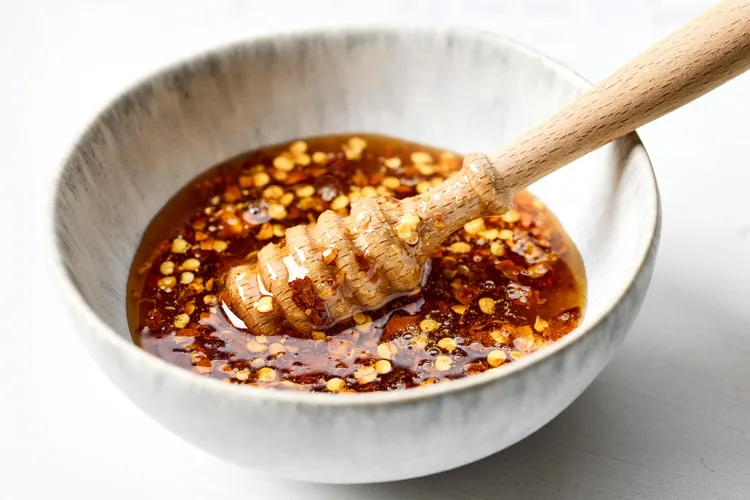
The benchmark product for the category. Wildflower honey infused with calabrian chili, filtered to remove chili solids, clean and consistent. Heat is medium - noticeable but not aggressive. Goes on pizza, fried chicken, cheese, and roasted vegetables without demanding attention. ~60 kcal/tbsp.
Best use: Drizzle directly onto finished dishes. Doesn't need cooking.
2. Fly by Jing Sichuan Chili Crisp
Not a hot sauce in the conventional sense - it's chili-in-oil with crispy bits of shallot, garlic, and Sichuan pepper. The sweetness comes from the fried aromatics rather than added sugar, which gives it a more complex, less obvious swicy profile. The numbing tingle of Sichuan pepper adds a fourth dimension that most swicy condiments don't have. ~90 kcal/tbsp.
Best use: Stirred into noodles, spooned over eggs, used as a dumpling dipping sauce component.
3. CJ Haechandle Gochujang
Korean fermented chili paste. Deep, slightly smoky, medium heat, with a natural sweetness from the fermented rice in the paste. Versatile enough to use as a marinade base, a sauce component, or a condiment directly. Better value than most competitors. ~45 kcal/tbsp.
Best use: Mixed with sesame oil, garlic, and a splash of rice vinegar as a marinade for chicken or tofu. See our swicy chicken guide for the full gochujang thigh recipe.
4. Cholula Honey Chipotle
Cholula's standard hot sauce base with honey and chipotle added. The chipotle adds smokiness that most honey hot sauces lack, making this one of the more complex swicy sauces in the mid-range. Moderate heat. ~15 kcal/tbsp (lower than most because it's thinner and primarily vinegar-based).
Best use: Wings, tacos, grilled corn, as a dipping sauce base.
5. Frank's RedHot Honey
Frank's base sauce (cayenne and vinegar) with honey added. Reliably balanced - the vinegar acidity plays against the honey sweetness and the cayenne provides clean heat. Less complex than gochujang-based sauces but very consistent and widely available. ~25 kcal/tbsp.
Best use: Buffalo-style applications where you want swicy rather than purely tangy.
6. Lao Gan Ma Spicy Chili Crisp
The original chili crisp, and still one of the best. More aggressively spiced than Fly by Jing, with a stronger fried-oil flavour. The sweetness is subtle - this leans more spicy than sweet compared to others on this list, but the caramelised aromatics provide enough to qualify. ~80 kcal/tbsp.
Best use: Anywhere you want texture as well as heat. Excellent on rice, noodles, and fried eggs.
7. Bachan's Japanese Barbecue Sauce (Hot)
Soy sauce, mirin, ginger, garlic, with added chili. Umami-rich and genuinely swicy - the mirin provides sweetness, the soy provides saltiness, and the chili provides heat. Sits more in the savery-swicy overlap than pure swicy. ~30 kcal/tbsp.
Best use: Marinade for salmon or chicken thighs. Works well with the pan-roasted chicken thigh method.
8. Tajin Clasico
Not a sauce - a powder blend of chili, lime, and salt. Technically swicy when paired with naturally sweet foods (fruit, corn, watermelon). Extremely low calorie (negligible per serving), no added sugar. The swicy experience here comes from the chili-lime combination amplifying the sweetness of the food it's on.
Best use: On fresh mango, watermelon, or cucumber. On the rim of a margarita. On roasted sweet potato.
9. Lucky Foods Seoul Gochujang Sauce
A more accessible, less fermented version of gochujang - same heat profile but sweeter and with a thinner consistency that makes it easier to use straight from the bottle. Less complex than paste gochujang but more versatile as a direct condiment. ~35 kcal/tbsp.
Best use: Dipping sauce, burger sauce, drizzle over bowls.
10. Sir Kensington's Swicy Ranch
An outlier - ranch dressing with hot honey. Sounds gimmicky, works surprisingly well. The buttermilk-herb base of ranch gives the sweetness and heat a neutral, creamy context that makes both more pronounced. ~60 kcal/tbsp.
Best use: Dipping sauce for vegetables, wings, or pizza. Not a cooking ingredient.
Making Your Own Swicy Sauce
None of the above are difficult to approximate at home, and most cost less than £0.50 per serving. Our homemade hot honey guide covers the foundational swicy condiment in detail - three heat levels, 15 minutes, and the result rivals anything on this list.
For the full context on swicy cooking - where these condiments came from and the best ways to cook with them - see the complete swicy and savery flavour guide.
Nutrition Summary
- Lowest calorie: Tajin (negligible), Cholula Honey Chipotle (~15 kcal/tbsp)
- Highest calorie: Chili crisps (80-100 kcal/tbsp due to oil base)
- Best protein contribution: Gochujang (~1g per tbsp)
- Sugar content to watch: Most honey-based swicy sauces contain 8-12g sugar per tablespoon
Latest