Chili Crisp: Everything You Need to Know About the Swicy Pantry Staple
Chili crisp went from a niche Chinese condiment to a global pantry essential in under five years. Here's what it actually is, how the major brands differ, what the calories look like, and six ways to use it across every meal of the day.
Chili crisp outsold ketchup in several US retail categories in 2023. A condiment that most Western households had never heard of five years earlier was suddenly in every supermarket. That kind of trajectory is worth understanding, because the product genuinely earned it - and knowing what chili crisp actually is makes you a better cook with it.
What Chili Crisp Actually Is
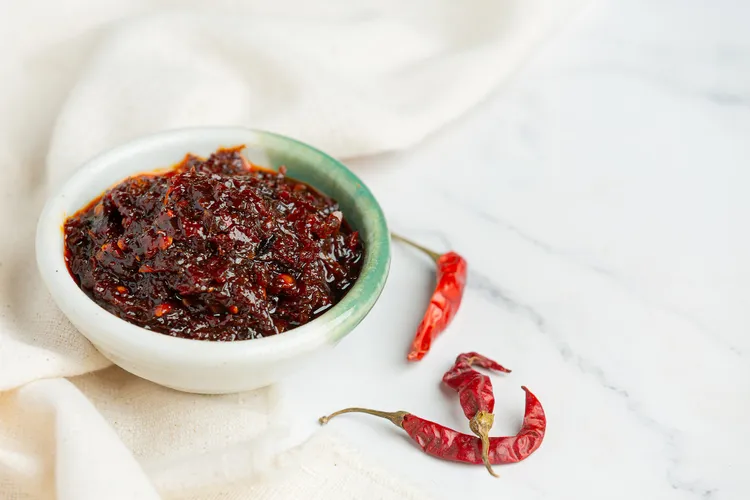
Chili crisp is not hot sauce. It's not chili oil. It's a specific thing: chili peppers (and sometimes other aromatics) fried in oil until crispy, then stored in that flavoured oil. The name is accurate - there are crispy bits, and there's oil, and both components are part of what you're eating. The crispy bits are typically dried chili flakes, fried shallots, fried garlic, and sometimes fermented black beans or peanuts. The oil is typically neutral (soybean, sunflower) or sesame.
The flavour is complex in a way that most condiments aren't. Heat from the chili. Sweetness from the caramelised fried alliums. Umami from fermented elements. Nuttiness from sesame. A slight bitterness from the fried chili skins. It's simultaneously a spice, a fat, a seasoning, and a texture element. That's why it's so versatile.
A Brief History
The original chili crisp is Lao Gan Ma Spicy Chili Crisp, created by Tao Huabi in Guizhou province, China, in 1997. The product became one of China's most recognised food brands and began exporting to Chinese communities globally in the early 2000s. Western mainstream adoption came much later, accelerating through food media coverage around 2018-2020 and exploding through social media from 2021 onward. Lao Gan Ma is still the best-selling chili crisp globally by volume. The premium market - led by brands like Fly by Jing - emerged around 2019.
Brand Breakdown: Which One to Buy
The three brands most widely available outside Asia, and how they differ:
Lao Gan Ma Spicy Chili Crisp (~£3-4, widely available): The original. Aggressively seasoned, with strong fermented bean flavour and significant heat. The crispy bits are more textured than competitors. More savoury than sweet - this leans toward the swicy-savoury overlap rather than pure swicy. Best for people who want maximum flavour impact. About 80-90 kcal per tablespoon.
Fly by Jing Sichuan Chili Crisp (~£12-14, specialty stores or online): The premium tier. Uses Sichuan pepper (málà), which adds a numbing tingle that Lao Gan Ma doesn't have. Cleaner, more refined flavour - more obviously swicy because the sweet notes from the fried aromatics are more forward. Significantly more expensive, but a noticeably different product. About 90 kcal per tablespoon.
Momofuku Chili Crunch (~£8-10, specialty stores): David Chang's version. Uses calabrian chili, which is fruity and medium-hot. The sweetness is more pronounced than either Lao Gan Ma or Fly by Jing, making this the most accessible swicy entry point. Slightly less complex than the others but easier to use broadly. About 80 kcal per tablespoon.
Macros Per Tablespoon (Approximate)
- Calories: 80-100 kcal (predominantly from oil)
- Fat: 8-10g (mostly unsaturated from soybean or sesame oil)
- Carbs: 2-4g (from sugars in the fried alliums)
- Protein: under 1g
- Sodium: 180-300mg depending on brand
Because chili crisp is oil-based, it's calorically dense. A tablespoon is a meaningful serving in terms of flavour; two or three tablespoons on a dish is approaching 250 kcal from condiment alone. Worth tracking if you're using it liberally.
6 Ways to Use Chili Crisp
1. On fried or scrambled eggs: The most canonical use. Spoon chili crisp directly onto eggs. The heat and oil enrich the fat in the yolk; the crispy bits provide texture against the soft egg. This is the preparation that turned most Western cooks onto chili crisp.
2. On noodles: Toss with cooked noodles, a splash of soy sauce, and sesame oil for a 5-minute meal. This is the base of our swicy noodles recipe in its simplest form - chili crisp can replace the gochujang-peanut sauce entirely for a faster, lighter version.
3. On rice bowls: A spoonful over plain rice with soy sauce and a fried egg is a complete meal. Add any protein - the chili crisp does the flavour work.
4. In dumplings or gyoza dipping sauce: Mix chili crisp with rice vinegar and a small amount of soy sauce in a 2:1:0.5 ratio. Better than any bottled dumpling sauce.
5. On pizza: Specifically as a finishing condiment, after baking. Works particularly well on cheese-heavy pizzas where the oil absorbs into the crust and the crispy bits stick to the cheese. Hot honey (homemade version here) and chili crisp together is one of the better pizza condiment combinations.
6. In salad dressings: A tablespoon of chili crisp whisked with rice vinegar, a touch of honey, and sesame oil makes a swicy vinaigrette that works particularly well with shredded cabbage, cucumber, and carrot - similar flavour profile to this cabbage salad but with more heat and texture.
What Chili Crisp Doesn't Do Well
Chili crisp doesn't hold up to high heat - don't cook it, because the oil will smoke and the crispy bits will burn before anything else is cooked. Add it at the end. It also doesn't work well in creamy dairy-based sauces, where the fermented and spiced notes clash with the fat in ways that aren't particularly harmonious. Use it in soy, vinegar, and citrus-based contexts.
For the full picture on swicy cooking and where chili crisp fits in the broader trend, see the complete swicy and savery flavour guide.
Latest