Savery Desserts That Sound Weird But Taste Incredible
Miso brownies, tajin fruit cups, salted caramel, tahini cookies - savery desserts use savoury ingredients to make sweet things taste more complex and more satisfying. Here are six recipes with difficulty ratings and macros.
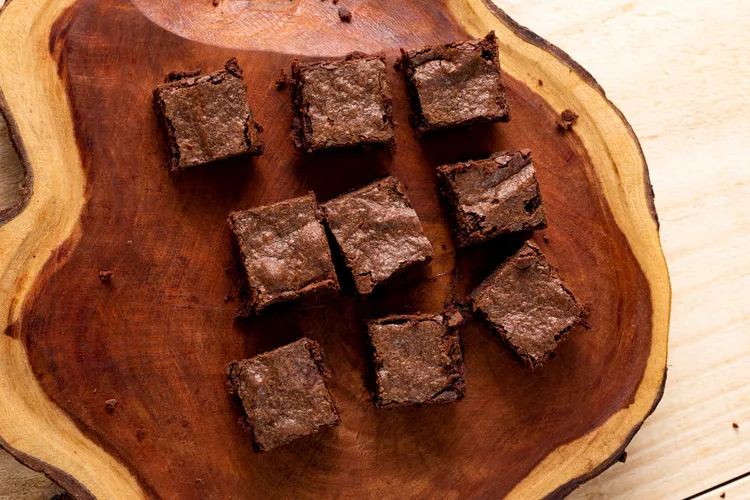
The reaction to "miso brownie" from someone who hasn't tried one is almost always sceptical. The reaction after trying one is almost always: what is that, and why does the chocolate taste so much more like chocolate? This is the core mechanism of savery desserts - savoury ingredients don't make sweet things taste savoury, they make sweet things taste more intensely themselves.
Why Savery Desserts Work
Two mechanisms are doing the work here. First, salt suppresses bitterness and amplifies sweetness - this is a well-documented sensory phenomenon. Adding a savoury salt-forward ingredient like miso or fish sauce to a chocolate dessert suppresses the bitter notes in the cacao and makes the sweetness more pronounced. The chocolate tastes more chocolatey because its bitterness is reduced.
Second, umami depth creates complexity that makes you keep tasting. A simple sweet dessert resolves quickly on the palate - sweetness registers, peaks, and fades. Add an umami element and the tasting experience extends, because the savoury note creates an expectation the sweetness doesn't fully satisfy, and vice versa. You keep eating to resolve the contrast. This is why savery desserts tend to be described as "addictive" by people who try them for the first time.
1. Miso Brownies
Difficulty: Easy
The most approachable savery dessert and the best starting point. White miso dissolves completely into brownie batter and is essentially undetectable as a specific flavour - what you notice is that the chocolate tastes richer and more complex than expected.
- 150g dark chocolate (70%)
- 120g unsalted butter
- 2 tbsp white miso paste
- 200g caster sugar
- 3 large eggs
- 80g plain flour
- 1 tsp vanilla extract
- Flaky sea salt for the top
- Preheat oven to 180°C. Line a 20cm square baking tin with parchment.
- Melt chocolate and butter together in a bowl over simmering water, or in a microwave in 30-second bursts. Stir in miso until completely smooth. Cool slightly.
- Whisk sugar into chocolate mixture, then add eggs one at a time, whisking well after each. Add vanilla.
- Fold in flour until just combined - don't overwork.
- Pour into prepared tin. Bake 22-25 minutes. The edges should be set; the centre should still have a slight wobble when you move the tin.
- Scatter flaky sea salt over the surface immediately when they come out of the oven. Cool completely before cutting - miso brownies are fudgier than standard and need the rest time to set.
Macros per brownie (makes 16, approx.): ~190 kcal, 2g protein, 11g fat, 22g carbs
Storage: 5 days at room temperature in an airtight container. Freeze well for up to 3 months.
2. Tajin Fruit Cups
Difficulty: Zero effort
Not cooking, technically. But tajin on fresh fruit is one of the purest examples of savery eating, widely practiced across Mexico and increasingly everywhere. The chili-lime-salt in tajin doesn't make fruit spicy - it makes fruit taste more like fruit. Particularly effective on mango, which is already borderline swicy in its natural state.
- 2 ripe mangoes, peeled and cut into cubes or spears
- Juice of 1 lime
- Tajin Clasico to taste (start with 1 tsp, add more)
- Optional: cucumber spears, watermelon chunks, jicama
- Arrange fruit in cups or on a plate. Squeeze lime over everything. Dust with tajin immediately before eating - it dissolves if it sits on wet fruit for more than a few minutes.
Macros (1 mango, approx.): ~110 kcal, 1g protein, 0g fat, 28g carbs
3. Tahini Chocolate Chip Cookies
Difficulty: Easy
Replace a third of the butter in a standard chocolate chip cookie recipe with tahini. The sesame bitterness and nuttiness creates a savery backdrop that makes the chocolate chips taste more intense, and the cookie itself has a more complex flavour than standard butter versions. The texture is also different - slightly more crumbly and short, with a deeper colour.
- 200g plain flour
- 0.5 tsp baking soda
- 0.5 tsp salt
- 120g unsalted butter, softened
- 80g tahini (smooth)
- 150g brown sugar
- 50g caster sugar
- 2 eggs
- 1 tsp vanilla extract
- 180g dark chocolate chips
- Flaky sea salt for finishing
- Cream butter, tahini, and sugars until light, about 3-4 minutes. Beat in eggs one at a time, then vanilla.
- Mix in flour, baking soda, and salt until just combined. Fold in chocolate chips.
- Refrigerate dough 1 hour minimum (overnight for better flavour development).
- Preheat oven to 180°C. Scoop dough into balls, place on parchment-lined trays. Press slightly flat. Scatter a few flakes of sea salt on each.
- Bake 11-13 minutes. They should look underdone in the centre - they firm up on the tray. Cool 5 minutes before moving.
Macros per cookie (makes 24, approx.): ~180 kcal, 3g protein, 10g fat, 21g carbs
4. Brown Butter Salted Caramel Sauce
Difficulty: Medium (requires attention)
Standard salted caramel is already savery by definition - salt plus caramelised sugar. This version uses brown butter instead of regular butter, which adds a layer of nutty, slightly bitter complexity that takes the sauce from good to excellent. Use it on ice cream, on pancakes, on tart apple slices, or straight from the jar.
- 200g caster sugar
- 90g unsalted butter
- 120ml heavy cream, at room temperature
- 1 tsp flaky sea salt
- Brown the butter first: melt in a light-coloured pan over medium heat, stirring constantly until the milk solids turn golden and smell nutty. Pour into a bowl and set aside.
- In the same pan, heat sugar over medium heat without stirring. When it begins to melt at the edges, gently swirl the pan to distribute. Continue until all sugar has melted and turned deep amber. Don't stir - swirl.
- Remove from heat. Carefully add browned butter - it will bubble aggressively. Stir with a heatproof spatula.
- Add cream slowly - it will bubble again. Stir until smooth. Add salt.
- Cool to room temperature. Transfer to a jar. Keeps 3 weeks refrigerated.
Macros per tablespoon (approx.): ~90 kcal, 0g protein, 5g fat, 12g carbs
5. Rosemary Olive Oil Cake
Difficulty: Easy
Olive oil in cake isn't unusual - it's a Mediterranean tradition. Rosemary in a sweet cake is the specifically savery move here. The herbal, resinous notes of rosemary create a savoury undertone that makes the citrus and honey flavours in the cake taste brighter. This is a subtle savery experience, best suited to people who aren't sure about bold savery desserts yet.
- 200ml olive oil (good quality - the flavour matters)
- 180g caster sugar
- 3 large eggs
- Zest of 2 lemons
- 2 tbsp fresh rosemary, very finely chopped
- 200g plain flour
- 1 tsp baking powder
- 0.5 tsp salt
- 2 tbsp honey for drizzling after baking
- Flaky sea salt for finishing
- Preheat oven to 175°C. Oil and line a 20cm round cake tin.
- Whisk olive oil, sugar, eggs, lemon zest, and rosemary until well combined, about 2 minutes.
- Fold in flour, baking powder, and salt until just combined.
- Pour into tin. Bake 40-45 minutes until a skewer comes out clean.
- While still warm, drizzle honey over the surface and scatter flaky salt. Cool in tin.
Macros per slice (12 slices, approx.): ~280 kcal, 4g protein, 16g fat, 30g carbs
6. Miso Caramel Ice Cream Sundae
Difficulty: Zero effort (using shop-bought components)
This isn't a recipe in the traditional sense - it's an assembly. Take good vanilla ice cream. Make the miso caramel popcorn from our savery snacks guide. Add a drizzle of the brown butter salted caramel from recipe 4 above (or a good shop-bought salted caramel). The miso and the caramel and the vanilla create a genuinely sophisticated savery dessert in under 5 minutes of assembly.
Macros (2 scoops ice cream + 1 tbsp caramel + 30g popcorn, approx.): ~420 kcal, 6g protein, 18g fat, 58g carbs
Savery desserts are the most approachable entry into the savery trend for anyone who isn't naturally drawn to savoury cooking - the sweet context makes the unfamiliar ingredients easier to evaluate. For the full picture on savery and swicy cooking, the complete swicy and savery flavour guide is where to start.
Latest