Swicy Noodles: The TikTok Dish You Need in Your Rotation
A proper swicy noodle recipe - gochujang-peanut sauce, chili crisp, sesame oil, rice noodles - ready in 15 minutes and meal-preppable for the week. Three variations included.
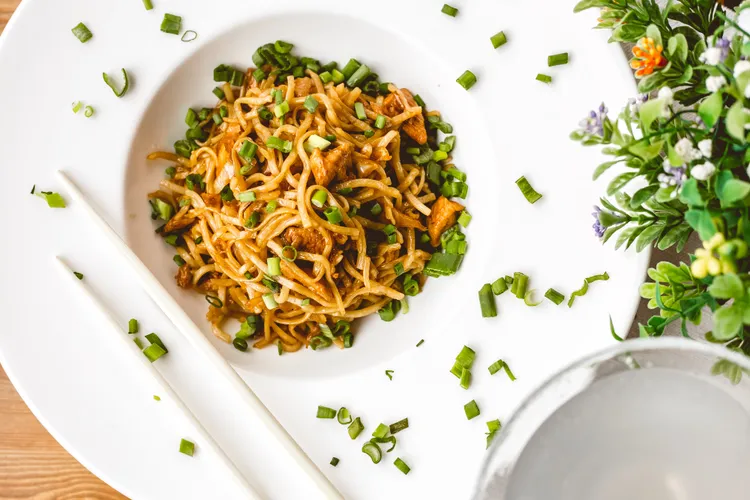
Swicy noodles have been one of the most shared recipe formats on TikTok since 2022 for a reason that has nothing to do with trend-chasing: a gochujang-peanut sauce over noodles is a genuinely excellent thing to eat. Salty, sweet, spicy, nutty, with enough acid to keep it from being heavy. It takes 15 minutes from cold. It meal preps. It works as written or as a base for whatever protein or vegetable you have.
The Base Sauce
Everything else in this recipe is negotiable. The sauce is not. The ratio is what makes swicy noodles actually swicy rather than just spicy noodles with a dab of honey.
- 2 tbsp gochujang
- 2 tbsp peanut butter (smooth)
- 1 tbsp soy sauce
- 1 tbsp rice vinegar
- 1 tbsp honey
- 1 tsp sesame oil
- 1 clove garlic, minced or grated
- 2-3 tbsp warm water to thin
Whisk everything together until smooth. The warm water emulsifies the peanut butter and creates a pourable sauce. Taste and adjust: more gochujang for heat, more honey for sweetness, more vinegar for brightness. The sauce should be noticeably spicy, noticeably sweet, and well-salted. If it tastes flat, add a few drops more soy sauce before anything else.
The Standard Recipe (Serves 2)
- 200g rice noodles (medium width) or udon noodles
- Full batch of base sauce
- 3-4 spring onions, thinly sliced
- 2 tbsp chili crisp (Lao Gan Ma or Fly by Jing)
- 1 tbsp toasted sesame seeds
- Optional: soft-boiled egg, cucumber ribbons, shredded carrot
- Cook noodles according to package instructions. Rice noodles typically soak in boiling water off the heat for 4-6 minutes. Drain and rinse with cold water to prevent sticking.
- Toss warm (not hot) noodles with sauce immediately. The residual heat helps the sauce coat the noodles evenly. If the sauce is too thick, add a splash of the noodle cooking water.
- Transfer to bowls. Top with spring onions, a spoonful of chili crisp, and sesame seeds. Add any optional toppings.
Macros per serving (base recipe, no protein): ~480 kcal, 12g protein, 14g fat, 74g carbs
Variation 1: High-Protein Version
Add 150g cooked shredded chicken breast per serving, or two soft-boiled eggs per serving. The chicken version brings macros to approximately 620 kcal, 46g protein, 16g fat, 74g carbs per serving. Batch-cook the chicken separately and add to order - it keeps for 4 days and can be served cold from the fridge over freshly sauced noodles.
For a reliable base chicken, the method used in these pan-roasted chicken thighs works well - cook them plain, then shred when cool.
Variation 2: Vegetarian / Vegan Version
Replace peanut butter with tahini (same quantity) for a slightly more bitter, more complex sauce. Replace honey with maple syrup. Add firm tofu, either pan-fried until golden or crumbled and air-fried until crispy, for protein. Tofu version macros per serving: approximately 520 kcal, 22g protein, 18g fat, 68g carbs.
Variation 3: Meal Prep Version (4 Servings)
Scale the sauce to 4x the base recipe. Keep sauce, noodles, and toppings separate until serving. Dressed noodles can be stored in the fridge for up to 2 days, but they absorb sauce and become clumpy - better to store them undressed. Sauce keeps for 1 week refrigerated. Assemble fresh each day: noodles reheat well in a pan with a splash of water.
Per serving (meal prep, base recipe x4): Macros same as standard recipe.
Swapping the Noodles
This sauce works on any noodle. Rice noodles produce the lightest, most TikTok-adjacent result. Udon noodles are chewier and absorb the sauce more aggressively. Soba noodles add a buckwheat flavour that works particularly well with the tahini variation. Ramen noodles (cooked, not in their instant format) give a more substantial, bouncy texture. Even regular spaghetti works in a pinch - it's not traditional, but the sauce doesn't care.
Troubleshooting
The most common issue is sauce that's too thick to coat the noodles evenly. Always add noodle cooking water before additional sauce ingredients - the starch in the water helps emulsify and creates a silkier coating. If the finished dish tastes flat, the issue is almost always insufficient salt (add soy sauce) or insufficient acid (add rice vinegar a half-teaspoon at a time).
Swicy noodles are a natural gateway to the full range of swicy and savery cooking. For more context on both trends and a complete pantry guide, see the complete swicy and savery flavour guide.
Latest