Colatura di Alici: Italy's Forgotten Fermented Anchovy Sauce
Colatura di alici is an aged anchovy drip sauce from the Amalfi Coast - arguably the most direct surviving descendant of Roman garum. It's sharper, more complex, and more expensive than fish sauce, and it does things in Italian cooking that fish sauce cannot quite replicate.
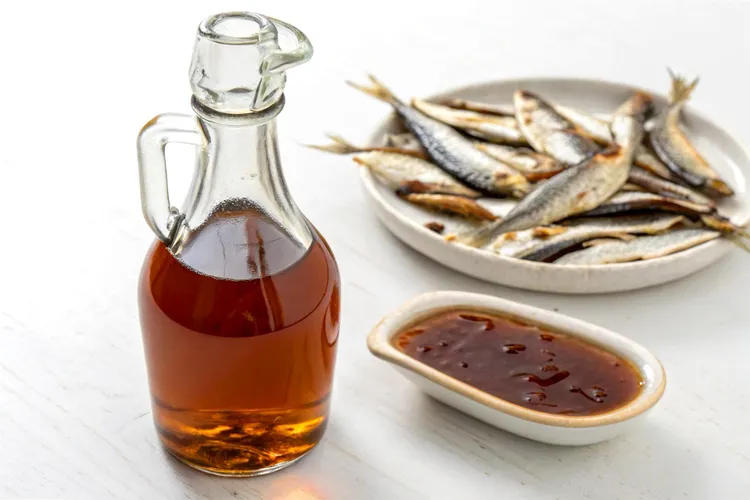
Colatura comes from a small town called Cetara, on the Amalfi Coast south of Naples. Local fishermen have been making it for centuries using the same method: fresh anchovies are layered with salt in chestnut barrels, pressed under stone weights, and left to ferment for up to three years. The liquid that drips through the barrel is collected and bottled. Nothing is added. Nothing is heated. What you get is a bottle of something that smells extraordinarily pungent and tastes, in tiny quantities, like the essence of the Mediterranean.
Colatura vs Fish Sauce: The Practical Difference
Both are fermented anchovy liquids. The differences matter for cooking:
- Fermentation time: Colatura is aged 2-3 years; most Asian fish sauces 12-18 months (premium versions similar, budget versions less).
- Processing: Colatura is completely unprocessed - no heat treatment, no additives. Many fish sauces are heat-treated or contain sugar and preservatives.
- Flavour profile: Colatura is sharper, more acidic, more complex, and more intensely fishy in a raw state. Asian fish sauce is sweeter, saltier, and slightly more rounded.
- Usage: Colatura is used more as a finishing condiment (a few drops over pasta at the end) where its character is part of the dish. Fish sauce is more commonly used as a cooking ingredient dissolved into heat.
- Sodium: Both are high - roughly 500mg per tsp for colatura, ~450-500mg per tsp for fish sauce.
- Cost: Colatura runs £10-15 per 100ml. Premium fish sauce ~£1-2 per 100ml.
Is Colatura Worth the Price?
For everyday cooking, probably not over a good fish sauce. For Italian pasta dishes where the sauce is simple and the condiment is part of the flavour foreground - spaghetti aglio e olio, linguine alle vongole, dressings for seafood - yes. Colatura has a specific role it plays extremely well. A bottle used carefully over 6 months represents a cost of £2-3 per month for meaningful quality uplift in Italian cooking.
A practical middle path: keep a bottle of budget fish sauce (Tiparos, ~£2) for general cooking, and a small bottle of colatura for Italian pasta and finishing purposes.
Where to Buy Colatura
- Online: Nettuno and Delfino Battista are the most respected producers. Available from Natoora, Sous Chef, and Italian food specialists.
- Italian delis: Good Italian delis in UK cities often stock it. Ask for "colatura di alici di Cetara."
- Budget alternative: If you cannot find or afford colatura, a premium single-ingredient fish sauce (Red Boat 40°N) is a reasonable substitute in Italian cooking contexts.
How to Use Colatura
A few drops go a long way - 1/2 tsp per person for a pasta dish is typically enough. The key applications:
- Spaghetti with colatura, garlic, and chilli: The classic Cetara preparation. Cook pasta, reserve pasta water. In a bowl: 1/2 tsp colatura per person + finely minced garlic + chopped parsley + good olive oil. Toss pasta in the bowl off the heat. Add pasta water to loosen. No cooking of the colatura - heat dulls it.
- Finishing dressing for grilled fish or seafood: A few drops over grilled oily fish (sardines, mackerel) with lemon and parsley.
- In salad dressings: Replace the anchovies in a Caesar dressing with 1/2 tsp colatura per serving.
- Over steamed vegetables: A few drops over broccoli or green beans with olive oil - the Roman combination of green vegetables and garum in its most modern form.
For the broader story of fermented fish sauces from Roman garum to the present, see the Complete Guide to Garum and Fermented Umami Sauces.
Macros per Tsp (approx.)
- Calories: 3-5 kcal
- Protein: 0.5g
- Fat: 0g
- Sodium: ~450-520mg
Latest