Common Thyme Varieties and When to Use Each One
A guide to the main thyme varieties - common, lemon, and creeping thyme - and when to reach for each one in the garden or the kitchen.
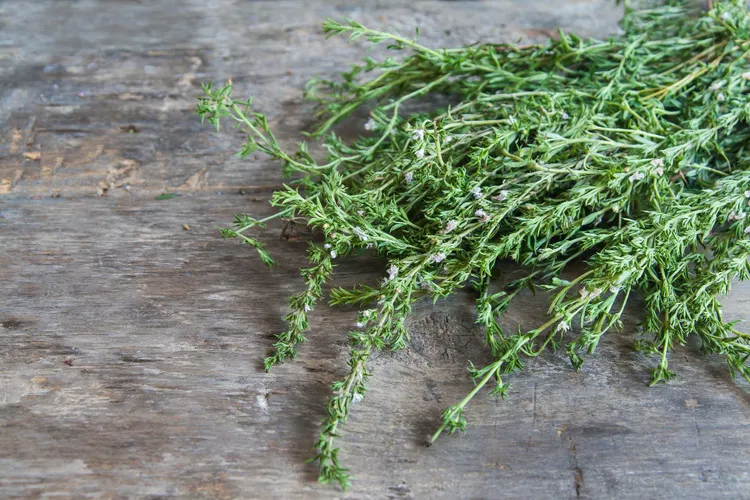
Thyme has more culinarily distinct varieties than tarragon or rosemary, and knowing which one you're working with (or want to grow) makes a real difference in how a dish turns out.
Common (French) Thyme
This is the default culinary thyme and what most recipes mean when they simply say "thyme." It has an earthy, slightly minty, peppery flavor and small gray-green leaves on woody stems. If you're buying fresh thyme at a grocery store without further specification, this is almost always what you're getting, and it's the right choice for the vast majority of savory recipes, including roasts, braises, and stocks.
Lemon Thyme
Lemon thyme is a genuine hybrid variety with a distinct citrus aroma and flavor layered over the base thyme character. It's not simply thyme with lemon added - the citrus note comes from the plant itself, giving it a brighter, slightly sweeter profile than common thyme. This variety is worth seeking out specifically for dishes where a citrus note complements the dish, like our lemon thyme roasted salmon, or in desserts and drinks where common thyme's earthier, more savory character wouldn't fit as naturally.
Creeping Thyme
Creeping thyme (sometimes labeled Thymus serpyllum, or "wild thyme") is grown primarily as a low, spreading groundcover rather than a culinary herb. It's technically edible and does have a thyme flavor, but it's noticeably milder than common thyme and less commonly used in cooking. If you're shopping specifically to fill in a garden path or border with a fragrant, walkable groundcover, this is the variety to look for - if you're shopping for cooking, stick with common or lemon thyme instead. See our growing guide for more on using thyme as groundcover.
Other Varieties Worth Knowing
- English thyme: Very similar to common/French thyme and often used interchangeably; some gardeners consider it slightly milder.
- Caraway thyme: Has a distinct caraway-like note, more of a novelty variety for gardeners who want something different rather than a common culinary staple.
- Orange thyme: Similar concept to lemon thyme but with an orange-forward citrus note; less widely available but worth trying if you find it at a specialty nursery.
- Silver thyme: A variegated ornamental variety, still edible and similar in flavor to common thyme, often grown as much for its appearance as its culinary use.
Which One to Grow
For a home cook primarily interested in cooking, common (French) thyme covers the vast majority of recipes and is the most versatile single variety to have on hand. Adding a lemon thyme plant alongside it is a worthwhile second addition if you cook much fish or want a citrus note available without needing a separate lemon on hand. Creeping thyme is worth adding specifically if you have a garden path, stepping stones, or a border where a low, fragrant groundcover would be useful - not primarily as a cooking herb.
Substituting Between Varieties
Common and English thyme can be swapped for each other in virtually any recipe without a noticeable difference. Lemon thyme is not a direct substitute for common thyme in savory recipes that don't call for a citrus note - the flavor shift is noticeable enough to change the dish. If a recipe calls for lemon thyme and you only have common thyme, adding a bit of lemon zest alongside it gets reasonably close, though it's not a perfect match since the citrus compounds in lemon thyme are part of the plant's own oils rather than simply added zest.
For everything else about cooking with thyme once you've settled on a variety, see the complete thyme guide.
Latest