How to Grow Thyme at Home (Pots, Beds, and Ground Cover)
A practical guide to growing thyme at home - soil, sun, watering, and how to use its low, spreading growth habit as an edible groundcover.
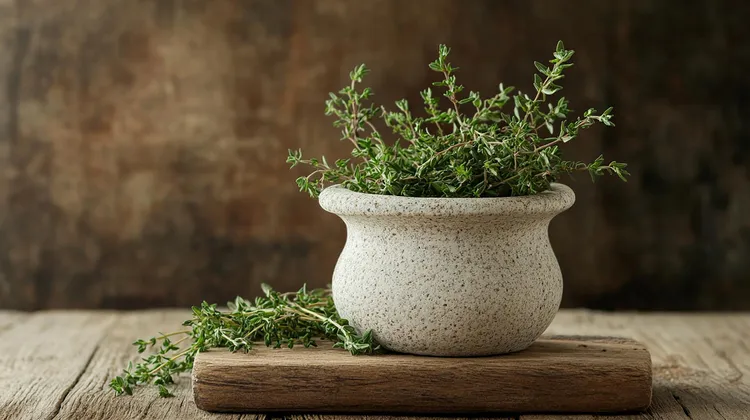
Thyme shares a lot of growing requirements with rosemary - both are Mediterranean natives that thrive on neglect rather than attention. The main difference is thyme's low, spreading growth habit, which opens up a use beyond the kitchen: as an edible groundcover.
Choosing a Spot
Thyme wants full sun, at least six hours of direct light daily, and lean, well-draining soil. It tolerates poor, rocky, or sandy soil far better than rich, heavily amended garden beds, where it tends to grow leggy with a milder flavor. A sunny spot with average or even below-average soil quality is often the better choice.
Soil and Watering
Use a well-draining potting mix if growing in containers, adding perlite or coarse sand if the mix seems dense. Thyme is drought-tolerant once established and prefers to dry out fully between waterings - overwatering causes root rot, which shows up as yellowing or blackening at the base of the plant. When in doubt, underwater rather than overwater.
Growing From Seed vs. Starts
Unlike tarragon, thyme grows reasonably well from seed, though germination can be slow (2 to 3 weeks) and somewhat inconsistent. Starting from a nursery plant or a cutting from an established plant gets you to a usable harvest much faster - often within a few weeks rather than a couple of months. If starting from seed, sow indoors about 6 to 8 weeks before the last frost and transplant outdoors once seedlings have a few sets of true leaves and outdoor temperatures are reliably warm.
Using Thyme as a Groundcover
Because thyme grows low and spreads by sending out new roots along its stems, it works well planted between stepping stones, along a garden path border, or as a low-maintenance edge for a raised bed. Walking on it occasionally doesn't harm the plant and actually releases its fragrance into the air - a small, pleasant side effect of using it this way. Creeping thyme varieties are particularly suited to this use, spreading more aggressively than upright common thyme, though they have a milder flavor and are used more for groundcover than cooking. See our varieties guide for the difference between creeping and culinary thyme.
Growing in Containers
A container at least 10 to 12 inches wide works well for a single thyme plant. Terracotta pots are a good choice, since their porous material helps prevent waterlogged soil, similar to growing rosemary in containers. Thyme's compact size also makes it one of the better herbs for a small windowsill setup if outdoor space isn't available, provided it gets enough direct light.
Pruning and Maintenance
Regular light trimming keeps thyme compact and encourages new growth, similar to other woody perennial herbs. Because the stems become increasingly woody with age, a plant that's several years old may benefit from a harder prune in early spring to encourage fresh, tender new growth from the base rather than relying on old, tougher stems.
Winter Care
Common thyme is hardy in USDA zones 5 through 9, meaning it can survive outdoors through winter in most temperate climates without special protection, unlike rosemary, which needs more careful overwintering in colder zones. In containers, moving pots to a somewhat sheltered spot during the coldest stretches of winter is a reasonable precaution, but established in-ground thyme in a hardiness-appropriate zone generally doesn't need much extra care to get through winter.
Signs of a Healthy Plant
- Compact, low, spreading growth rather than tall and sparse
- Strong, distinct aroma when a leaf is crushed
- New growth at stem tips through the growing season
- Soil that dries out noticeably between waterings without the plant wilting
Once established, thyme is genuinely one of the lower-maintenance herbs available, whether you're growing it strictly for the kitchen or letting it double as a groundcover. For more on storing a harvest once the plant is productive, see our storage guide, or head back to the complete thyme guide.
Latest