Citrus Marmalade for Beginners: Orange, Lemon, Grapefruit
Marmalade follows different rules than jam. Here is what beginners need to know about pith bitterness, shred thickness, and getting citrus to set.
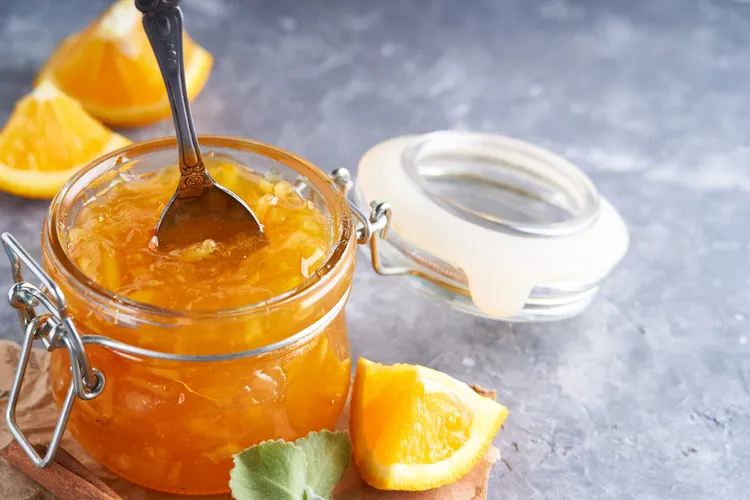
Marmalade is technically a jam - a cooked fruit preserve with sugar - but the technique differs enough to deserve its own guide. Citrus peel is rich in pectin (concentrated in the pith and pips), which means marmalade sets reliably, but getting the bitterness right and the shred texture you want takes more attention than a berry jam.
Jam vs Marmalade: The Key Differences
Jam uses the flesh of the fruit. Marmalade uses the peel. The peel needs softening before the sugar goes in - this is the step most beginners rush. Underdone peel stays tough in the finished jar and the bitterness stays sharp rather than mellowing into complexity. The sugar goes in only once the peel is completely soft - adding it too early prevents the peel from softening further.
Citrus pith contains more pectin than most other fruit. Many recipes call for the pips to be tied in muslin and cooked with the fruit to extract this pectin before discarding.
Controlling Bitterness
Bitterness in marmalade comes from the pith. Seville oranges are the traditional choice precisely because their intense bitterness mellows into a complex, sophisticated background note when properly cooked. Sweet oranges make a milder, less interesting marmalade. Grapefruit is the most bitter and benefits from blanching the shredded peel in boiling water, pouring it off and replacing twice, before making the marmalade.
If you prefer a less bitter marmalade from Seville oranges, use a vegetable peeler to take the zest without the pith, then juice the fruit and use only the juice and zest.
Shred Thickness
Thin shred (fine cut) gives a smooth texture and quicker cook. Thick shred (chunky cut) gives more chew and a more traditional marmalade. Slice the peel to your preference before cooking. Be consistent in thickness - mixed shred sizes cook unevenly and the result looks untidy in the jar.
Recipe: Seville Orange Marmalade
Seville oranges are available January to February and freeze well whole - buy a batch in season and freeze for year-round use.
Makes: 6 to 7 x 340g jars | Prep: 45 minutes | Cook: 1 hour 30 minutes
Ingredients
- 1kg Seville oranges
- 1 unwaxed lemon
- 2kg white granulated sugar
- 1.5 litres water
Instructions
- Wash oranges and lemon well. Halve and juice them. Reserve the juice and all the pips. Place pips in a square of muslin and tie into a bag.
- Cut the orange and lemon halves into thin strips - peel and pith together, at your preferred shred thickness, cut as evenly as possible.
- Place shredded peel, juice, pip bag, and water in a large heavy pan. Bring to a simmer. Cook uncovered for 1 to 1.5 hours until the peel is completely soft. Test it - a strip should squash easily between your fingers with no resistance. This step cannot be rushed.
- Squeeze the pip bag firmly against the side of the pan before discarding - this releases the pectin-rich liquid back into the pot.
- Add sugar. Stir over low heat until completely dissolved.
- Bring to a full rolling boil. Put two saucers in the freezer if not already done. Boil hard for 15 to 25 minutes, testing from 15 minutes. Marmalade can take longer to reach set than berry jam - keep testing every 5 minutes.
- Once the wrinkle test is positive, remove from heat. Leave to stand for 15 minutes - this helps peel suspend evenly in the jar rather than floating to the top.
- Stir gently to distribute peel. Ladle into warm sterilised jars. Seal immediately.
Beyond Seville: Other Citrus Options
Blood orange marmalade has a dramatic deep red-pink colour and a slightly berry-like flavour that makes it one of the most striking preserves you can make. Use the same recipe as Seville but with sweeter blood oranges and reduce sugar to 1.6kg per 1kg fruit. Kumquat marmalade is made with the whole fruit sliced thinly - the skin is thin and edible, the flesh intensely tart. Lime marmalade is very sharp and works well with dark rum stirred in at the end. Mixed citrus marmalade combining orange, lemon, and grapefruit is forgiving and produces a reliably good result even with mixed quality fruit.
The Overnight Soak Method
An alternative to the long simmering method: slice the peel, combine with water and juice, and leave to soak overnight before cooking. The cold water softens the peel slowly and extracts pectin from the pith without heat. The next day, simmer for only 30 to 40 minutes rather than 1.5 hours before adding sugar. The flavour from the slow soak is slightly cleaner and less cooked-tasting. This method suits cooks who prefer to spread the work across two days.
Why Marmalade Takes Longer to Set
The high water content from the extended peel-softening stage means more liquid to drive off before reaching setting concentration. A larger batch also takes longer. Do not panic at 20 minutes of boiling - test regularly rather than walking away and hoping for the best. Marmalade that has not set after 30 minutes of rolling boil may need a tablespoon of added lemon juice and 5 more minutes.
The Waiting Period and Flavour Development
Fresh marmalade tastes sharper and more raw than marmalade made 4 to 6 weeks earlier. The bitterness softens, the sugar rounds out, and the citrus becomes more nuanced. If your first taste from the freshly sealed jar seems too sharp, it is not a failure - leave a jar unopened for a month and compare. Marmalade improves with age up to about 18 months, then begins to fade in flavour and colour.
Marmalade as a Cooking Ingredient
Marmalade has a broad range of culinary applications beyond toast. Spread on the inside of a ham before the final roasting stage, it glazes and caramelises. Stirred into a vinaigrette, it adds sweetness and bitter complexity. A tablespoon in a whisky cocktail with a little bitters is a classic combination. Marmalade folded into crepe batter or swirled into ice cream base before churning are less obvious uses that justify having several jars in the cupboard at all times.
Nutrition (per tablespoon, approx. 20g)
- Calories: approximately 49 kcal
- Carbs: 13g
- Protein: 0g
- Fat: 0g
For setting point tests, jar sterilisation, and full jam technique, see the complete homemade jam guide.
Making Marmalade from Frozen Seville Oranges
Seville oranges freeze exceptionally well and making marmalade from frozen is identical in technique to fresh. Freeze them whole, unwashed. Thaw completely before using - this takes several hours at room temperature or overnight in the fridge. The thawed oranges will be softer and release more juice than fresh, which is an advantage. You can batch-freeze a full season's worth of Sevilles in January and make marmalade throughout the year whenever you want it. This is the single most useful piece of marmalade knowledge for cooks who miss the short Seville season. For all the jam and preserve fundamentals, the complete homemade jam guide covers the technique that underpins both jam and marmalade.
Common Marmalade Problems
Peel that remains tough after jarring means it was not softened enough before the sugar went in. This cannot be fixed in the finished jar. On the next batch, simmer the peel for the full recommended time and test it before adding sugar. If it squashes easily between your fingers, it is ready. If there is any resistance, keep simmering. Marmalade that did not set is treated the same as jam that did not set - return to the pan, boil with added lemon juice, and test again. See the jam troubleshooting guide for full rescue options. Marmalade that is too bitter: this is almost always from over-cooking the peel in the initial softening stage, which concentrates the bitterness without mellowing it. In the finished jar, bitterness does soften with time - open a jar after 6 weeks and compare it to the freshly made jar. For all the technique underpinning both jam and marmalade, the complete homemade jam guide is the starting point.
Marmalade Variations Worth Trying
Once you are confident with Seville orange marmalade, the variations are extensive. A dark Oxford-style marmalade uses a proportion of dark muscovado sugar (up to 25 percent of the total) and very coarse shreds - it is intensely flavoured and more bitter than standard marmalade. A three-fruit marmalade using Seville orange, grapefruit, and lemon in roughly equal proportions is more complex in flavour and balances the bitterness differently to a single-citrus version. A whisky marmalade adds 2 tablespoons of Scotch whisky per jar off the heat before sealing - the alcohol mostly evaporates but the flavour remains. A ginger marmalade adds 50g of finely grated fresh ginger to the peel during the long simmer - it gives warmth and complexity without overwhelming the citrus. All of these use the same base technique as the recipe above. For the underlying jam science that makes all preserves work, the complete homemade jam guide is the starting point.
Adjusting Bitterness After the Fact
If your finished marmalade is more bitter than you wanted, there is limited rescue available from the jar. The bitterness will soften over 4 to 6 weeks - open a jar at the 6-week mark and compare it to the one you tasted at day one. Most marmalade that seems aggressively bitter fresh becomes pleasantly complex after time. If it is still too bitter, use it in cooking rather than as a spread - the bitterness that is too much on toast is an asset in a glaze for pork or chicken where it provides depth and balance. For future batches, the most reliable way to reduce bitterness is to blanch the shredded peel in two changes of boiling water before the long simmer. This removes some of the bitter compounds from the pith before they concentrate during cooking. It adds 15 minutes to the process but gives predictably milder results.
Quick Reference Summary
This article is one of 12 guides in the Consillar homemade jam series. The The Home Cook's Complete Guide to Making Jam from Scratch, covers the full framework: pectin types, sugar ratios, setting point science, sterilisation methods, water bath canning, and storage shelf life by type. Each cluster guide in the series, including this one, covers a specific fruit, technique, or problem in depth with a tested recipe. Whether you are making your first single jar or working through a summer glut of stone fruit, the technique is the same: soft fruit first, sugar second, rolling boil to setting point, hot jar, sealed lid. The details within that sequence are what this series covers, article by article, so you have a reliable reference for every variation you will encounter in a season of jam-making at home.
All recipes in this series use standard kitchen equipment. None require specialist preserving pans, pressure canners, or commercial-grade ingredients. The most useful single investment for anyone making jam regularly is a digital sugar thermometer with a clip. Beyond that, a heavy-based pan, clean glass jars, and two cold saucers in the freezer are all you need to produce consistently good results.
Marmalade at a Glance
The critical differences from jam: peel not flesh, soften the peel completely before sugar goes in, stand 15 minutes before jarring to let peel suspend. Setting point is the same (105 degrees or wrinkle test positive) but takes longer to reach. Bitterness mellows over 4 to 6 weeks in the jar. The Seville season is January to February in the UK - freeze oranges whole to make marmalade year-round. One batch from 1kg of Sevilles gives 6 to 7 jars. The technique is more involved than a simple berry jam but not complicated once the peel-softening step is understood. For the underlying jam science and method, see the complete homemade jam guide.
Planning a Seville Orange Marmalade Session
The Seville orange season runs from late January to mid-February in the UK. Buy more than you need for one batch - they freeze well whole. A 2kg bag gives you two full batches: one to make immediately and one to freeze for later in the year. The marmalade-making session itself takes about 2.5 hours from start to sealed jars, of which 1 to 1.5 hours is unattended simmering time for the peel. Use that time to sterilise jars, prepare labels, or do something else in the kitchen. The active hands-on time is much shorter than the total session time suggests. A productive February morning makes enough marmalade to last until the following season, give jars as gifts, and still have several jars for cooking. For all the technique underpinning this and every other preserve in the series, the complete homemade jam guide is the starting point.
Latest