How to Fix Jam That Didn't Set
Runny jam is fixable in most cases. Here are the rescue options, when each one works, and when it is better to repurpose the batch than fight it.
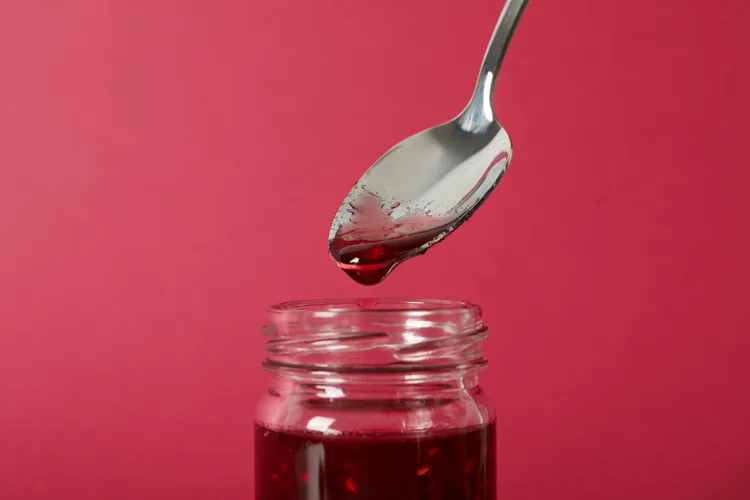
Runny jam happens. Low-pectin fruit, undercooking, too much water, a miscalibrated thermometer - any of these can leave you with jars of syrup instead of jam. Most of the time it is fixable. Here is how to approach it depending on how bad the situation is.
First: Wait 48 Hours
Jam continues to set for up to 48 hours after jarring. If you have just sealed the jars and the jam looks loose, wait. Many batches that look under-set at 30 minutes are perfectly set the next day. Open one jar after 48 hours to test. If it is still liquid, proceed to a rescue.
Rescue Option 1: Recook with Lemon Juice
Works best when the jam is slightly under-set but clearly a jam rather than a syrup. Open all jars into a pan. Add 2 tablespoons of lemon juice per 1kg of original fruit. Bring to a rolling boil and cook for 5 to 8 minutes, testing regularly. The additional acid often activates enough of the residual pectin to achieve a set. This works more consistently with naturally pectin-rich fruit such as plums, gooseberries, and blackcurrants than with low-pectin fruit like strawberries.
Rescue Option 2: Recook with Commercial Pectin
Works best when the jam is genuinely liquid and lemon juice alone will not be enough. Measure the jam. For every 1kg of jam, dissolve 25g of commercial liquid pectin or 15g of powdered pectin in 4 tablespoons of water with 2 tablespoons of lemon juice. Add to the jam in the pan. Bring to a full rolling boil and boil hard for 2 minutes. Test immediately - commercial pectin sets fast. The set will be firmer than if you had got it right the first time, but it works.
Rescue Option 3: Accept It and Repurpose
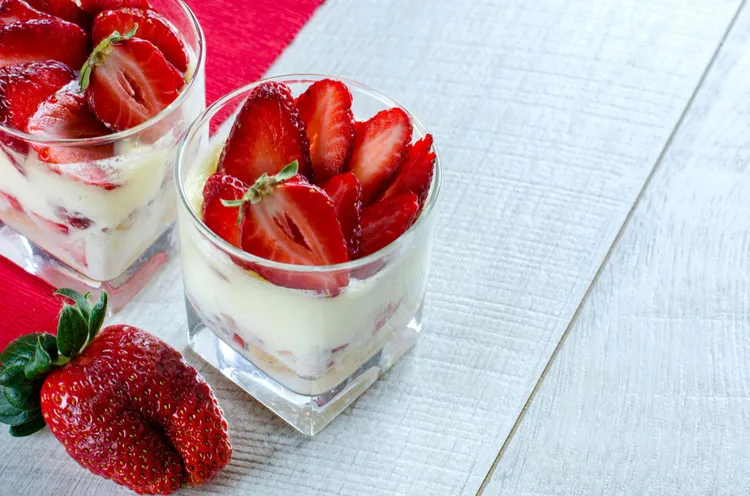
Sometimes the best option is to not fight it. Runny jam is excellent as a sauce for yoghurt, ice cream, and cheesecake. It is great stirred into porridge or drizzled over pancakes. It works as a glaze for grilled meat - brush onto chicken thighs in the last 5 minutes of cooking. Reduce it further in a pan and it becomes a syrup. None of these require any rescue chemistry and the result is often genuinely better than forcing a reluctant batch to set.
If you are repurposing as a sauce, refrigerate and use within 3 to 4 weeks. It will not have the sugar concentration needed for pantry storage.
Recipe: Blackcurrant Jam (High-Pectin, Sets Reliably)
If you have had a run of under-set batches, blackcurrant jam is the confidence restorer. Blackcurrants are one of the highest-pectin fruits available and set decisively - almost impossible to under-set if you cook to temperature.
Makes: 5 to 6 x 340g jars | Prep: 15 minutes | Cook: 20 to 25 minutes
Ingredients
- 1kg blackcurrants, stripped from stems
- 1.3kg white granulated sugar
- 300ml water
Instructions
- Sterilise jars. Put two saucers in the freezer.
- Combine blackcurrants and water in a heavy pan. Bring to a simmer. Cook for 15 minutes until berries are completely soft and skins have broken down. Blackcurrant skins are tough raw but soften with prolonged simmering - do not rush this stage.
- Add sugar and stir over low heat until fully dissolved.
- Bring to a rolling boil. Boil for 8 to 10 minutes. Test from 7 minutes. Blackcurrant jam sets firmly and quickly - the wrinkle will be very clear and immediate once ready.
- Ladle into jars immediately - this jam sets fast in the pan if you leave it. Seal and leave to cool.
Diagnosing the Problem Before Rescuing
Before opening jars and starting a rescue, identify the likely cause. Under-set from insufficient boiling time is the most common problem and is almost always rescuable. Under-set from very low-pectin fruit that had no pectin support is also rescuable but needs commercial pectin added. Jam that simply needed more time to set overnight may not need rescuing at all. Jam that was correctly made but stored too warm and partially melted is not under-set - it is still set jam, just warm. Let it cool and check again.
What Happens When You Reboil
Reboiling jam changes its flavour. A jam that needed 10 minutes of boiling but got 8 and is reboiled for another 10 has now effectively had 18 minutes of rolling boil. This is acceptable for robust-flavoured fruit like blackcurrant, plum, or marmalade. It can make strawberry and raspberry jam taste cooked-down and less fresh. For delicate fruit, use the commercial pectin rescue method with its shorter additional boiling time rather than extended reboiling.
Crystallisation vs Under-Set
Under-set jam is liquid or semi-liquid. Crystallised jam looks set but has a grainy texture with visible sugar crystals. These are different problems with different causes. Crystallisation happens when sugar was added before fruit was fully soft, when the jam was stirred during cooling, or when the sugar concentration was too high. Crystallised jam cannot be fully rescued - reboiling with a tablespoon of lemon juice may smooth it partially, but complete crystallisation is usually permanent. It is still safe to eat.
Why Jam Does Not Set: The Main Causes
- Under-boiling: a simmer is not a rolling boil. The jam never reached 105 degrees Celsius.
- Too much water: added at the start and not cooked off enough before the sugar went in.
- Very low-pectin fruit: strawberries, cherries, or overripe fruit without added acid or pectin.
- Too large a batch: very large batches cannot reach a rolling boil evenly in a domestic pan. Split into two pans.
- Faulty thermometer: test it in boiling water and adjust your target accordingly.
Using Under-Set Jam in Cooking
The best under-set batches are often more useful in the kitchen than their successfully set counterparts. Runny strawberry jam heated with a splash of water becomes an ideal coulis for cheesecake. Plum jam that did not set is a better glaze for pork than a stiff jam - it brushes on more evenly and caramelises beautifully. Apricot jam sauce works over ice cream and as a pastry brush glaze. Reframe the batch as a success with a different application.
Nutrition (per tablespoon, blackcurrant jam)
- Calories: approximately 54 kcal
- Carbs: 14g
- Protein: 0g
- Fat: 0g
For a full breakdown of setting point tests and when to use them, see the jam setting point guide. For everything else, the complete homemade jam guide has you covered.
Prevention Is Cheaper Than Rescue
Every rescue technique costs time, energy, and introduces some flavour change from the second cooking. The most reliable way to avoid needing rescue is to use the wrinkle test aggressively from 8 minutes of rolling boil and not to trust the thermometer alone for low-pectin fruit. A jam that you test every 2 minutes and pull from the heat the moment it sets will never need rescuing. The test takes 30 seconds. Use both cold saucers. Accept a slightly firm set over a slightly soft one - firm jam is easier to rescue than very liquid jam, but firm set jam is also perfectly usable. For a full guide to reading all three setting point tests, see the jam setting point guide.
Learning from a Failed Batch
Every failed batch tells you something. Liquid jam from a strawberry batch usually means insufficient boiling time or not enough acid. Grainy jam means sugar was added too early or stirred during cooling. Jam that set in the pan before you could fill the jars means very high-pectin fruit (blackcurrant is notorious for this) or slightly too long on the heat. Jam that set in the jar but not firmly means it is a soft-set jam, which is fine - or it means the batch was right at the edge of set and is still setting. None of these failures mean you are bad at jam-making. They mean you are learning what jam-making actually feels like in your pan, on your hob, with your fruit. The only genuinely unrecoverable failure is a batch that burns on the bottom because it was left unattended - so stay close, stir regularly, and test early. For all aspects of jam-making technique and troubleshooting, the complete homemade jam guide covers the full picture.
Preventing Future Failures
The three habits that prevent most jam failures: first, put saucers in the freezer before you start cooking. Not when you think it might be nearly set - before you light the hob. This takes 3 seconds and eliminates the most common source of false results. Second, take the pan off the heat while testing. Jam cooks at 105 degrees - leaving it on the heat during a 30-second test adds meaningful cooking time and can push you past setting point while you are testing. Third, test every 2 minutes from 8 minutes of rolling boil rather than waiting for some visual cue that it might be ready. The visual cue (darkening colour, thickening consistency) is unreliable. The wrinkle test is not. For the full method including all three setting point tests and how to read ambiguous results, see the jam setting point guide.
Repurposing Under-Set Jam by Type
Different types of under-set jam have different best uses as sauces. Runny strawberry jam: warm slightly and serve over ice cream or stir into natural yoghurt. The warm version over pancakes with whipped cream is particularly good. Runny plum jam: reduce further in a pan to make a thick plum sauce that works on roast pork or as a duck glaze. Add a splash of red wine vinegar and it becomes a plum sauce suitable for Chinese-style cooking. Runny apricot jam: thin with a tablespoon of water and use as a pastry glaze, warmed. This is the standard professional pastry finish and it works exactly as well from a failed batch as from a correctly set one. The fact that it did not set in the jar is irrelevant for this application. Runny marmalade: use as a glaze for ham, a mixer in cocktails (1 tablespoon in a Negroni variation), or as a sauce for bread and butter pudding. None of these are second-best outcomes.
Quick Reference Summary
This article is one of 12 guides in the Consillar homemade jam series. The The Home Cook's Complete Guide to Making Jam from Scratch, covers the full framework: pectin types, sugar ratios, setting point science, sterilisation methods, water bath canning, and storage shelf life by type. Each cluster guide in the series, including this one, covers a specific fruit, technique, or problem in depth with a tested recipe. Whether you are making your first single jar or working through a summer glut of stone fruit, the technique is the same: soft fruit first, sugar second, rolling boil to setting point, hot jar, sealed lid. The details within that sequence are what this series covers, article by article, so you have a reliable reference for every variation you will encounter in a season of jam-making at home.
All recipes in this series use standard kitchen equipment. None require specialist preserving pans, pressure canners, or commercial-grade ingredients. The most useful single investment for anyone making jam regularly is a digital sugar thermometer with a clip. Beyond that, a heavy-based pan, clean glass jars, and two cold saucers in the freezer are all you need to produce consistently good results.
Rescue Options at a Glance
Wait 48 hours before opening jars: many batches set overnight. Slightly under-set: reboil with 2 tablespoons lemon juice per 1kg fruit, 5 to 8 minutes, retest. Genuinely liquid: reboil with commercial pectin (25g liquid pectin per 1kg jam, 2 minutes hard boil), retest immediately. Will not set at all and you have tried twice: embrace the sauce. Runny jam is a product. Use it as a coulis, a glaze, a drizzle, a cocktail mixer. Relabel, refrigerate, and move on. The next batch will be better. The failure taught you something about your fruit, your hob, or your technique that a successful batch would not have.
Keeping Notes to Prevent Repeat Failures
The single most useful tool for improving at jam-making is a written record of each batch. Note the fruit, the weight, the ratio, how long it boiled before the wrinkle test passed (or did not), the ambient conditions, and whether you would change anything. After three or four failed batches with the same fruit, the pattern becomes clear - it is usually insufficient boiling time, too much water at the start, or low-pectin fruit without enough acid. Knowing which of these applies to your specific hob and pan makes the fix predictable rather than guesswork. A running note on your phone takes 2 minutes per batch and pays off across an entire season of jam-making. For the full picture on what makes jam set or fail to set, the jam setting point guide covers every test and scenario.
Latest