What Pairs With Ginger (Savory and Sweet Pairings)
The classic ginger pairings across savory cooking, from garlic and soy sauce to chili and coconut, plus ginger's equally strong role in baking and beverages.
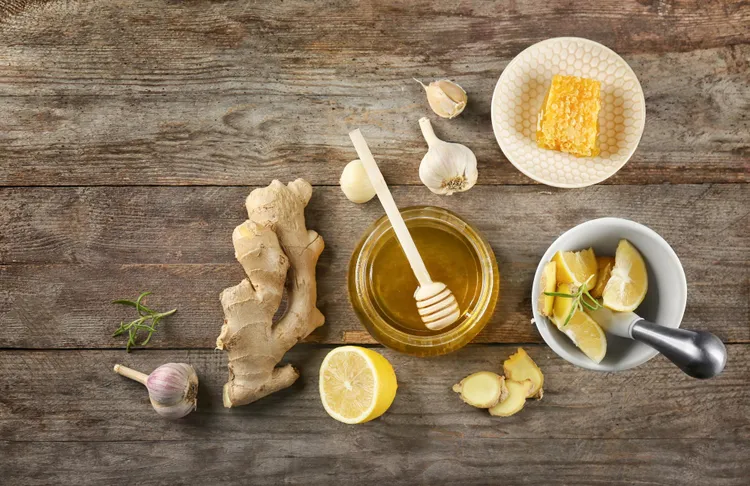
Few ingredients cross as cleanly between savory and sweet cooking as ginger does. It anchors a stir-fry sauce as naturally as it anchors a batch of cookies, a versatility that comes down to its bright, warm flavor profile working with both directions at once.
Ginger and Garlic: The Savory Foundation
Across Chinese, Southeast Asian, and much of South Asian cooking, ginger and garlic together form a near-default aromatic base, similar in role to how onion and garlic function in Western cooking, covered from garlic's side elsewhere in this framework. Garlic's savory pungency and ginger's brighter, sharper warmth complement rather than compete, which is part of why the pairing shows up so consistently as a starting point across such a wide range of dishes.
Ginger and Soy Sauce
Ginger's brightness cuts through soy sauce's dense saltiness, a pairing central to countless marinades, dipping sauces, and stir-fry bases. The combination appears directly in dishes like a ginger-soy glazed fish or a simple stir-fry sauce, where soy provides savory depth and salt while ginger keeps the result from tasting flat or one-dimensionally salty.
Ginger and Chili
Both bring heat, but through different mechanisms, gingerol working through a different receptor pathway than chili's capsaicin, which is part of why the combination reads as complex rather than simply "more heat." This pairing shows up across a huge range of Asian cuisines specifically, from a simple ginger-chili dipping sauce to more elaborate curry pastes building both elements into a layered heat profile.
Ginger and Citrus
Fresh ginger's own citrusy top notes, covered in the food science guide, make citrus a particularly natural pairing rather than just a complementary contrast. Lemon and ginger together show up across both savory (a ginger-lemon marinade) and beverage applications (ginger-lemon tea, a classic cold and flu remedy pairing), while lime and ginger lean more toward Southeast Asian and Latin-inflected savory and beverage uses.
Ginger and Honey
A particularly well-worn pairing in beverages and simple remedies specifically, ginger and honey together balance ginger's sharp heat against honey's mellow sweetness, common in ginger tea, ginger-honey glazes, and simple soothing drinks. The pairing also shows up in some savory glazes and marinades, where honey's sweetness helps balance ginger's sharper edge in a way similar to how sweetness balances chili heat elsewhere in this framework.
Ginger and Warm Baking Spices
Cinnamon, nutmeg, and cloves all pair naturally with ground ginger specifically in baking, the classic combination behind gingerbread, spice cakes, and countless other baked goods. This pairing leans on ground ginger's shogaol-driven sharper heat rather than fresh ginger's brighter character, part of why baking recipes consistently call for the dried form.
Ginger and Coconut
Common across Southeast Asian and some Caribbean cooking, ginger's sharpness provides useful contrast against coconut milk's rich, mellow sweetness, a pairing found in countless curries, soups, and braises where coconut milk forms the base and ginger keeps the result from tasting flat or overly sweet on its own.
Ginger and Scallion
A classic Chinese pairing, ginger and scallion (sometimes called "ginger-scallion" as a standalone sauce or aromatic base) appears across steamed fish, noodle dishes, and countless stir-fries, the scallion's mild oniony sweetness rounding out ginger's sharper bite in a lighter, fresher way than garlic's more assertive pungency would.
Ginger in Sweet Applications Beyond Baking
Beyond gingerbread and spice cakes, fresh ginger pairs well with stone fruit (a ginger-peach combination, for instance), pear, and apple in both raw and cooked sweet applications, its sharp warmth cutting through fruit's sweetness similarly to how it functions in savory pairings with honey or coconut.
Frequently Asked Questions
Does ginger pair well with dairy? Cautiously; as covered in the food science guide, fresh ginger's acidity and enzyme activity can curdle hot dairy under some conditions, though ginger and dairy pair well in many contexts (a ginger-spiced custard or a ginger cream sauce added carefully) when handled with that consideration in mind.
Is there a reason ginger shows up in so many drink recipes? Ginger's sharp, palate-awakening quality translates particularly well into beverages, where its brightness comes through clearly without competing against the dense flavor layering of a heavier cooked dish, part of why ginger ale, ginger beer, and ginger tea are all genuinely distinct, well-established beverage categories.
Does mature vs. young ginger change which pairings work best? Young ginger's milder character suits lighter, fresher pairings (citrus, mild pickling brines) particularly well, while mature ginger's sharper heat holds its own better against bolder pairings like chili or a dense, savory soy-based sauce.
What's a less common pairing worth trying? Ginger and dark leafy greens, particularly in a quick sauté, is a less commonly highlighted but genuinely effective pairing, ginger's sharpness cutting through any bitterness in the greens in a way similar to how it functions against coconut milk's richness elsewhere in this guide.
A Quick Reference Table
- Savory foundation: Garlic, soy sauce, scallion.
- Heat layering: Chili.
- Bright and citrus: Lemon, lime.
- Sweet balance: Honey, coconut milk.
- Baking: Cinnamon, nutmeg, cloves.
Trusting the Pattern Over a Fixed List
As with the other pairing guides in this series, the underlying logic, something rich to round out ginger's sharpness, something acidic or sweet to balance it, matters more than memorizing every specific combination listed here. Ginger's genuine versatility across both savory and sweet cooking means confident experimentation regularly turns up good results beyond this list.
Pairings That Shift With Ginger's Form
Fresh ginger's brighter character suits lighter pairings, citrus, fresh herbs, particularly well, while ground ginger's more concentrated heat holds its own better against the denser flavors typical of baking, warm spices, dried fruit, brown sugar. Choosing pairings with the specific form of ginger in mind, not just the ingredient generically, produces more consistently balanced results.
Frequently Asked Questions
Does ginger pair well with seafood specifically? Yes, ginger's brightness cuts through richer or oilier fish particularly well, a pairing common across East and Southeast Asian steamed and stir-fried fish preparations specifically.
Is there a reason ginger and lemongrass appear together so often? Both carry citrusy, bright aromatic notes that reinforce rather than compete, a pairing especially common in Southeast Asian soups and curries where the combination builds a layered, complex citrus-forward aromatic base.
What's an unexpected pairing worth trying? Ginger and dark chocolate, found in some modern dessert and confection combinations, plays ginger's sharp warmth against chocolate's bitterness and richness in a way that's less traditional but genuinely well-regarded among cooks who've tried it.
Does ginger pair differently in Indian cooking compared to East Asian cooking? Indian cooking often pairs ginger with garlic as a wet paste base alongside warming spices like cumin and coriander, a somewhat different direction than the soy-and-scallion-forward pairings more common in East Asian cooking, though both traditions share ginger and garlic as a foundational combination.
Pairings Across Different Culinary Traditions
Beyond the specific combinations covered above, it's worth recognizing that ginger's pairing logic shifts somewhat by culinary tradition: East Asian cooking often leans on ginger-scallion-soy, Indian cooking often leans on ginger-garlic-warm spice, and Western baking leans on ginger-cinnamon-nutmeg. Recognizing which tradition a dish is drawing from helps choose pairings that feel cohesive rather than mismatched.
Building Your Own Pairing Instincts
The most practical way to use this guide isn't memorizing every pairing listed but checking whatever's already in the kitchen, a wedge of citrus, a jar of honey, a favorite chili sauce, against the underlying categories covered above. Ginger's broad compatibility across both savory and sweet cooking means this kind of improvisation succeeds more often than it fails.
Considering Cultural Context When Pairing
Many of the pairings covered in this guide carry specific cultural and culinary traditions behind them, worth acknowledging rather than treating purely as interchangeable flavor combinations. Understanding a pairing's traditional context, ginger and scallion in the framework of Chinese cooking specifically, for instance, adds depth beyond simply knowing that two ingredients happen to taste good together.
A Quick Reference Table
- Savory foundation: Garlic, soy sauce, scallion
- Heat layering: Chili
- Bright and citrus: Lemon, lime, lemongrass
- Sweet balance: Honey, coconut milk, stone fruit
- Baking: Cinnamon, nutmeg, cloves
Pairings Beyond the Kitchen: Ginger in Wellness Contexts
Beyond pure culinary pairing, ginger's combination with lemon and honey specifically has a long tradition in home remedies for cold and flu symptoms, worth acknowledging as both a genuinely pleasant flavor pairing and a traditional comfort pairing that predates any of the specific nutrition research covered elsewhere in this framework.
Few ingredients earn a place in as many distinct culinary categories, savory mains, baked goods, and beverages alike, as ginger does, and that range isn't an accident so much as a direct result of how well its flavor compounds work across both savory and sweet contexts.
Ginger's broad compatibility across savory and sweet cooking alike is part of what makes it such a foundational ingredient in kitchens worldwide. The pairings in this guide are a starting reference, not a limit, and genuine experimentation beyond what's listed here regularly turns up combinations worth repeating.
A kitchen stocked with a few of these staple pairings on hand, soy sauce, citrus, a favorite chili sauce, makes reaching for a well-balanced ginger dish an easy, low-effort default rather than something requiring special planning each time.
Revisiting Pairings as Cooking Skill Grows
A beginner cook might start with the most straightforward pairings covered here, ginger and garlic, ginger and soy sauce, while a more experienced cook gradually builds toward the less obvious combinations, ginger and stone fruit, ginger and dark chocolate, as confidence and curiosity both grow. There's no need to master every pairing at once; this guide is meant to be revisited as skill develops.
A Note on Restraint
Because ginger's flavor is strong enough to dominate a dish if overused, pairing decisions often benefit as much from restraint, using ginger as an accent rather than the star in a dish built around another main ingredient, as they do from choosing the right complementary flavor in the first place.
Recognizing the underlying pattern behind these pairings, rather than memorizing a fixed list, is really the skill this guide hopes to pass along, and it's a skill that transfers readily to whatever's actually in the kitchen on a given night.
Start simple, taste as you go, and let genuine curiosity guide the rest.
Passing Along Favorite Combinations
Once a cook discovers a genuinely good, perhaps unexpected ginger pairing through their own experimentation, sharing it forward, whether with family, friends, or in a recipe of their own, is part of how these pairing traditions keep expanding beyond any single written guide.
Good pairings are meant to be shared and passed on.
Keeping a small running list of pairings that worked particularly well in a household's own cooking, beyond what's covered in this guide, builds a genuinely personalized reference over time that reflects actual taste preferences rather than a generic list alone.
A personalized list, built over time, ends up more useful than any single guide alone.
Keep building on it, one good pairing at a time.
Ginger rewards curiosity more reliably than almost any other ingredient in this framework, a quality worth remembering the next time a dish feels like it's missing something and a small piece of fresh ginger might be exactly what it needs.
Trust it, and let the pairing follow.
Confidence grows with every dish.
Ginger's pairing range, spanning savory, sweet, and beverage applications alike, makes it one of the more genuinely flexible ingredients covered across this content series, worth keeping consistently on hand precisely because so many different kinds of dishes can call on it.
That's exactly why it earns a permanent spot in the kitchen.
A single well-stocked spice shelf and a bit of curiosity go a long way toward making the most of every pairing covered in this guide.
Keep experimenting, one dish at a time.
One dish, one pairing, one lesson learned at a time, that's how real kitchen confidence with any ingredient builds over a season and beyond.
Latest









