Growing Ginger: Shade, Humidity, and a Long Warm Season
Why ginger prefers partial shade over full sun, how much water and warmth it needs through a long growing season, and common growing problems to watch for.
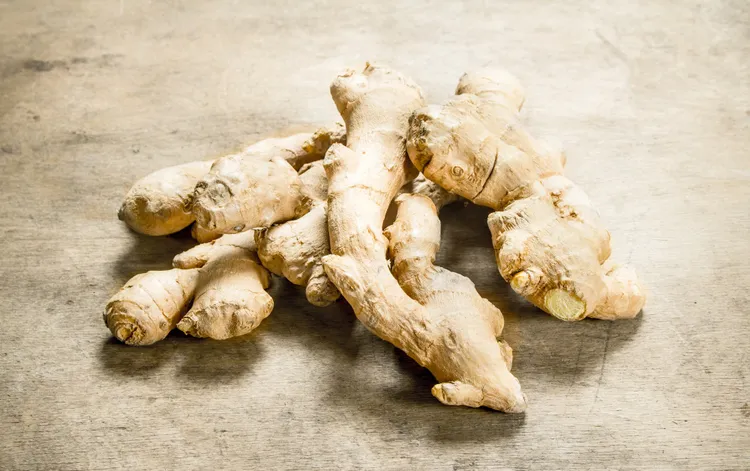
Once sprouted, ginger asks for a genuinely different growing approach than most sun-loving vegetables. Its native habitat, the dappled understory of tropical and subtropical forests, shapes nearly everything about how it should be grown in a home garden far from that environment.
Light Requirements: Shade Over Sun
Unlike the vast majority of vegetables covered across this content series, ginger doesn't want full, direct sun for most of the day. Partial shade, roughly 30 to 50% filtered or dappled light, most closely mimics ginger's natural understory growing conditions and produces healthier growth than an unshaded, full-sun bed, which tends to scorch ginger's broad leaves and dry out soil faster than the plant's moisture needs can tolerate. A spot with morning sun and afternoon shade, or dappled light under a taller companion plant or structure, works well.
Watering and Humidity
Ginger wants consistently moist, never waterlogged, soil through its entire growing season, along with relatively high ambient humidity if possible. In drier climates, misting foliage occasionally or grouping ginger containers together to raise local humidity can help, though this matters less in naturally humid growing regions. Consistent watering matters more than volume; letting soil dry out significantly between waterings stresses the plant more than a slightly-too-frequent watering schedule would.
Temperature Needs Through the Season
Ginger grows best in consistently warm conditions, ideally 70 to 85°F (21 to 29°C), and growth slows noticeably below 60°F (16°C). This is part of why ginger needs such a long frost-free window, roughly 8 to 10 months from planting to harvest, to develop a worthwhile rhizome cluster; unlike a fast-maturing summer vegetable, ginger simply needs sustained warmth over an extended period rather than a short burst of ideal conditions.
Fertilizing Through the Season
A balanced, organic-leaning fertilizer applied at planting and again every few weeks through active growth supports the steady, sustained growth ginger needs over its long season. Because ginger's actual harvestable product develops underground, over-fertilizing with high-nitrogen products can push excessive leaf growth at some expense to rhizome development, similar to the same tradeoff covered for other root and bulb crops elsewhere in this framework.
What Growth Looks Like Through the Season
Ginger's above-ground growth is visually unremarkable for most of the season, tall, cane-like stems with narrow, lance-shaped leaves, resembling a bamboo or lily relative more than a typical vegetable. There's no dramatic flowering or fruiting stage most home growers will see, since ginger rarely flowers reliably outside its native tropical range, and the entire point of the plant, the rhizome, develops invisibly underground through the growing season with little visible external indication of its progress.
Common Growing Problems
- Yellowing or scorched leaf edges: Usually a sign of too much direct sun or inconsistent watering, both addressed by the shade and moisture guidance above.
- Slow or stalled growth: Often traces back to temperatures below ginger's comfortable range, particularly common in cooler climates during an unusually cool stretch of the growing season.
- Rhizome rot: The most serious risk, caused by waterlogged, poorly draining soil; ensuring good drainage from the start, covered in the planting guide, is the most effective prevention.
- Slow sprouting or weak initial growth: Often traces back to using seed rhizome that was treated with a growth retardant or wasn't given adequate pre-sprouting time, covered in the planting guide.
Patience Through a Long Season
More than almost any other crop in this framework, ginger rewards patience over active intervention. Once planted in the right conditions, shade, consistent moisture, warmth, there's relatively little for a grower to actively do through the many months between planting and harvest beyond consistent watering and occasional fertilizing. Checking in periodically rather than expecting visible weekly progress sets realistic expectations for what is, by design, a slow-developing crop.
Frequently Asked Questions
Can ginger be grown indoors year-round? Yes, particularly in a container with adequate warmth, humidity, and indirect light; indoor growing can also extend the effective growing season in climates where outdoor conditions wouldn't otherwise stay warm long enough for a full harvest cycle.
Does ginger need to be staked or supported as it grows? Generally no; ginger's cane-like stems are self-supporting under normal conditions, unlike a vining or top-heavy plant that might need staking.
How tall does a ginger plant typically get? Most ginger plants reach 2 to 4 feet (60 to 120cm) in height by the height of the growing season, though this varies by variety and growing conditions.
Is it normal for ginger to show little visible change for weeks at a time? Yes, this is completely normal; ginger's slow, steady growth pattern, particularly once established, often shows less dramatic week-to-week visible change than faster-growing garden crops, even while the rhizome cluster is developing normally underground.
A Simple Growing-Season Checklist
- Provide partial shade, roughly 30 to 50% filtered light.
- Keep soil consistently moist, never waterlogged or fully dried out.
- Maintain warm temperatures, ideally 70 to 85°F, through the full season.
- Fertilize with a balanced formula every few weeks through active growth.
- Watch for yellowing, scorching, or stalled growth as early troubleshooting signals.
Why This Stage Rewards Patience
More than almost any other crop in this framework, ginger's growing stage offers little dramatic visible feedback. Trusting that consistent shade, moisture, and warmth are doing their job underground, even when above-ground growth looks unremarkable week to week, is the main mental adjustment new ginger growers need to make.
Adjusting for an Unusually Cool or Hot Stretch
An unexpected cool spell, even well above frost, can meaningfully slow ginger's growth given its narrow comfortable temperature range; extra mulch or a temporary row cover during an unseasonably cool stretch helps buffer soil temperature. An unusually hot, dry stretch calls for closer attention to watering frequency and, if growing in a container, potentially moving it to a spot with a bit more shade temporarily.
Frequently Asked Questions
Do I need to fertilize more heavily than for other vegetables given ginger's long season? A consistent, moderate feeding schedule spread across the season generally works better than either heavy upfront fertilizing or infrequent large applications, similar to the steady-rather-than-heavy approach that suits most long-season crops.
Can ginger be grown successfully in a spot with only morning sun? Yes, morning sun followed by afternoon shade is actually a favorable pattern for ginger, avoiding the most intense midday and afternoon sun exposure while still providing meaningful light.
How do I know if my ginger plant is developing a good-sized rhizome cluster underground without digging it up to check? There's no fully reliable way to check without some disturbance; a small test dig at the outer edge of the root zone, well clear of the main stem, partway through the season can give a rough sense of progress without seriously disrupting the plant's continued growth.
Is ginger susceptible to the same pests as other garden vegetables? Ginger faces relatively few pest problems in most home garden settings compared to many other crops, though root-knot nematodes and, in poorly draining soil, rhizome rot are the more commonly reported issues worth watching for.
Recognizing a Season That's Going Well
Because ginger's real progress happens underground and out of sight, a season going well often just looks like steady, unremarkable green growth above ground, no dramatic yellowing, no scorched leaf edges, no stalled height. When growing ginger starts to feel routine and uneventful, that's typically a good sign the underlying conditions are on track.
Observing Ginger Alongside Other Shade-Tolerant Plants
Gardeners with an existing partially shaded bed already growing other shade-tolerant plants have a natural, low-effort spot to add ginger without needing to create new growing conditions from scratch, one of the more convenient aspects of ginger's unusual light preference relative to most other vegetables in this framework.
Patience Through the Long Middle Stretch
The months between initial outdoor establishment and eventual harvest can feel uneventful compared to faster-growing garden crops, since ginger's changes are gradual and largely invisible underground. Resisting the urge to over-intervene, trusting the steady, moderate care covered above, tends to produce a stronger, more productive plant than constant fussing.
Adjusting Expectations for a First-Time Planting
A first ginger planting, even with careful attention to every recommendation in this guide, often produces a smaller harvest than an experienced grower's, since soil conditions, shade calibration, and watering rhythm all improve somewhat with direct seasonal experience specific to a given garden. Treating a first season as a genuine learning year sets realistic expectations that make the whole process more satisfying.
Companion Planting Considerations
Ginger's shade tolerance makes it a reasonable companion for taller plants that can provide natural dappled shade, some gardeners interplant ginger beneath taller crops or along the shaded edge of a garden bed specifically to make efficient use of space that a full-sun crop wouldn't suit as well.
When to Start Watching for Harvest Signs
Roughly two-thirds of the way through the expected growing season, it's worth shifting attention toward the harvest-timing signals covered in the next stage of this guide, watching for the beginning of foliage change as fall approaches, rather than waiting for a dramatic, unmistakable signal that may arrive later than ideal.
Adjusting Care Through an Unusual Season
Not every growing season follows the typical pattern this guide describes; an unusually cool or wet summer calls for adjusting shade coverage and watering more closely than a normal season would require. Staying responsive to actual conditions, rather than following a fixed schedule regardless of what's happening outside, produces better results across the genuinely variable seasons every gardener eventually encounters.
The Growing Season
Growing ginger well is mostly a matter of getting the initial conditions right, shade, moisture, warmth, and then trusting the plant to do its slow, steady work underground with only modest ongoing attention. A gardener who sets up the right environment from the start tends to end up with a solid harvest by the time fall arrives, even without dramatic intervention along the way.
Growing Ginger Alongside Turmeric
Given how similar their needs are, gardeners already set up to grow ginger well, appropriate shade, consistent moisture, sustained warmth, often find turmeric a natural, low-additional-effort addition to the same growing space, since nearly identical conditions suit both crops without requiring a second, separate growing setup.
Recognizing Subtle Signs of Progress
Even though ginger's underground development isn't directly visible, healthy, steadily multiplying stems emerging from the same general planting area over the course of the season is a reasonable indirect sign that the rhizome cluster below is likely expanding as expected, since new above-ground shoots typically correspond to new growth points on the rhizome itself.
Few common kitchen ingredients ask a home gardener to rethink such basic assumptions, shade instead of sun, patience instead of visible weekly progress, quite the way ginger does, and that unusual character is part of what makes successfully growing it a genuinely distinct gardening accomplishment.
That steady, quiet confidence, more than any dramatic intervention, is what carries a ginger planting through to a successful fall harvest.
Trusting an Unfamiliar Rhythm
Gardeners accustomed to crops that show clear weekly progress sometimes worry unnecessarily during ginger's quieter stretches; recognizing that this slow, steady rhythm is normal for the crop, not a sign of trouble, helps maintain the right level of calm attention through the season's less eventful middle months.
Consistency, more than intensity, is the real skill this stage teaches.
One Last Practical Note
A simple weekly reminder to check soil moisture and shade conditions, rather than relying purely on memory during a busy gardening season, helps ensure ginger's relatively narrow comfort zone doesn't get overlooked amid the demands of a larger, more diverse garden.
That simple discipline, checked weekly rather than left to chance, is often the difference between a mediocre and a genuinely productive season.
Small, consistent effort wins out over sporadic intense attention nearly every time with this crop.
By the season's end, that quiet consistency shows up as a genuinely satisfying harvest.
A quiet, well-tended season nearly always delivers.
Latest









