Homemade Herbes de Provence (With Thyme as the Base)
A homemade herbes de Provence recipe built around thyme as the anchor flavor - fresher and more customizable than most store-bought jars.
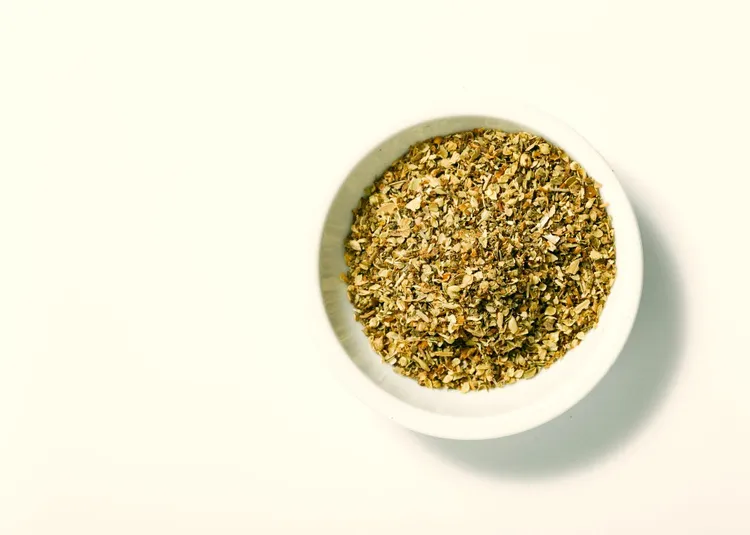
Herbes de Provence is a classic French dried herb blend, and thyme is its anchor flavor - the other herbs in the mix support and round out thyme's earthy backbone rather than competing with it. Making your own is easy and gives a fresher, more customizable result than most store-bought jars.
Homemade Herbes de Provence
Prep time: 5 minutes | Makes: about 1/2 cup
Ingredients
- 3 tbsp dried thyme
- 2 tbsp dried rosemary, crushed
- 2 tbsp dried savory (or dried marjoram as a substitute)
- 1 tbsp dried oregano
- 1 tbsp dried marjoram
- 1 tsp dried lavender flowers (optional, but traditional)
- 1 tsp fennel seed, lightly crushed (optional)
Instructions
- Combine all the dried herbs and optional lavender and fennel seed in a bowl and mix thoroughly.
- Transfer to an airtight jar and store in a cool, dark place.
- Use within 6 months for the best flavor, though it will remain usable, if slightly less potent, for longer.
Notes
Using your own home-dried thyme here, if you have it, gives a noticeably fresher-tasting blend than store-bought dried thyme, which can sit on a shelf for a long time before reaching a home kitchen.
Why Lavender Is In There
Lavender is the ingredient that surprises people most about traditional herbes de Provence, since it's more commonly associated with sweet or floral applications. In small amounts, it adds a subtle floral note that rounds out the earthier herbs rather than making the blend taste like soap or perfume, which is the risk if too much is used. If you're unsure, start with less lavender than the recipe calls for, or leave it out entirely - the blend is still good without it, just slightly less traditional.
How to Use It
- Rubbed on chicken, pork, or lamb before roasting or grilling
- Stirred into a marinade or vinaigrette
- Added to soups, stews, and braises in place of individual dried herbs
- Mixed into softened butter for a quick compound butter
- Sprinkled over roasted vegetables before cooking
Substitutions
If dried savory isn't available, dried marjoram or additional dried oregano works as a reasonable substitute, though the blend will taste slightly different from the traditional version. Fennel seed is optional and adds a subtle anise note - leave it out if you'd rather keep the blend simpler.
Storage and Shelf Life
Stored in an airtight container away from light and heat, this blend keeps its flavor for about 6 months, similar to most dried herb blends. Making a batch is a good use for home-dried thyme and rosemary if you've grown a surplus of either.
This blend is a good demonstration of how well thyme plays with other herbs rather than dominating them. For more on that principle, see our pairing guide, or head back to the complete thyme guide.
Latest