How to Store Fresh Thyme: Drying, Freezing, and Infusing
Thyme dries and freezes well, making a surplus harvest easy to preserve - here's how to dry, freeze, or infuse it into honey for the longest-lasting flavor.
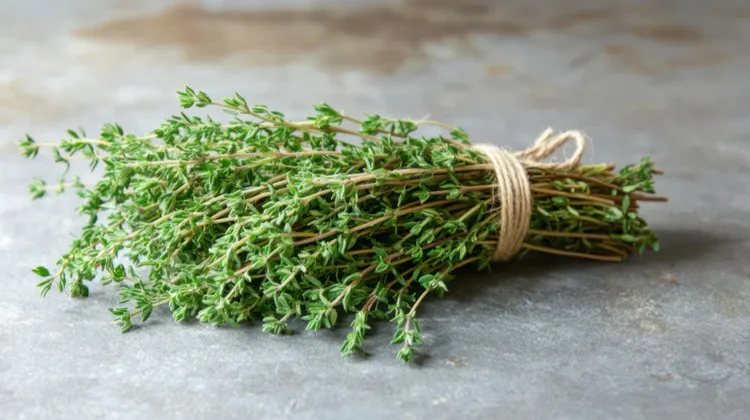
Thyme is one of the more forgiving herbs to store long-term, similar to rosemary - its woody, low-moisture structure holds onto flavor through drying far better than delicate herbs like tarragon or basil.
Short-Term Fresh Storage
Fresh thyme keeps well in the fridge, similar to rosemary. Wrapped loosely in a slightly damp paper towel and stored in a partially sealed bag in the crisper drawer, a bunch typically lasts two to three weeks with minimal decline in quality.
Drying Thyme
Drying is a genuinely good long-term option for thyme, and it's one of the few herbs where many cooks actually prefer having dried thyme on hand for certain long-cooked dishes, since a small pinch goes a long way and the flavor holds up well even after months of storage.
Air-Drying
Tie small bunches of stems together and hang them upside down in a dark, well-ventilated spot. Thyme typically dries within 1 to 2 weeks, and is ready when the leaves feel brittle and separate easily from the stem with a light rub between your fingers.
Oven or Dehydrator Drying
For faster drying, spread sprigs on a baking sheet and dry in an oven at its lowest setting (under 180°F/82°C) with the door slightly ajar, checking every 20 minutes, or use a dehydrator at around 95°F to 100°F for a few hours.
Once dry, strip the tiny leaves from the woody stems - a quick way to do this is to run your fingers down the stem from tip to base, against the direction the leaves grow, which strips them off in one motion rather than picking them individually. Store in an airtight container away from light and heat. Dried thyme holds good flavor for up to a year.
Freezing Thyme
Freezing preserves thyme closer to its fresh flavor and texture than drying, and works well for anyone who prefers fresh thyme's brighter character even in cooked dishes.
Freezing in Oil
Strip the leaves and pack them into ice cube tray compartments, topping each with olive oil before freezing. Once solid, transfer to a freezer bag. These cubes can go straight into a hot pan for sautéing or into a simmering braise without thawing.
Freezing Whole Sprigs
Whole sprigs freeze well in a sealed bag as-is, thanks to thyme's sturdy structure. Frozen sprigs work particularly well added directly to soups, stews, and braises like our thyme braised short ribs, since they're typically removed before serving anyway.
Infusing Honey
Thyme-infused honey is a genuinely useful way to preserve a harvest, doubling as both a cooking ingredient and a home remedy for sore throats, since thyme has a long history of use for its antibacterial properties. Our infused honey guide covers the method and how long it keeps.
Which Method to Choose
- Using it within a few weeks: Simple fridge storage, similar to rosemary
- Want a shelf-stable pantry staple: Air-dry or oven-dry
- Want closer to fresh flavor for cooking: Freeze in oil or as whole sprigs
- Want a dual-purpose cooking and remedy staple: Infuse into honey
Because thyme is one of the more forgiving herbs to store, it's a good one to buy or grow in larger quantities than needed for a single recipe. For more on using it fresh or preserved, see the complete thyme guide.
Latest