How to Make Beef Garum: The Modernist Shortcut to Deep Umami
Beef garum is a Noma-originated fermented meat sauce that achieves fish-sauce-level umami depth using beef scraps and koji in 3-4 weeks. It is one of the most useful condiments you can make at home - and it costs almost nothing if you have access to beef trim.
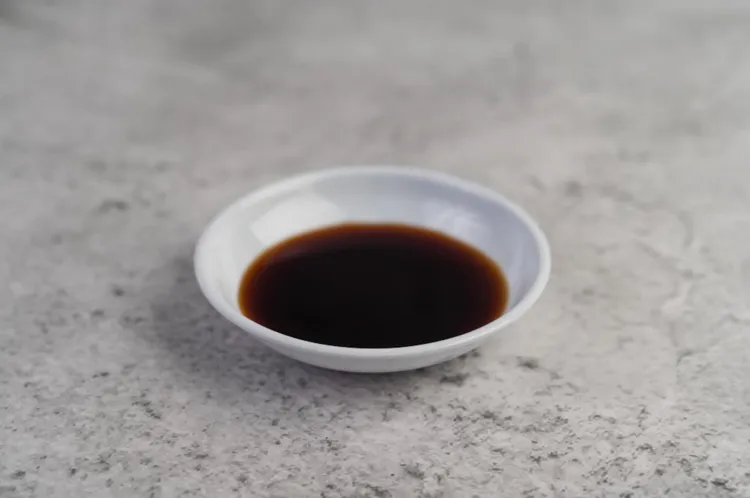
Beef garum solves a specific problem: how do you get garum-level umami depth into dishes that fish sauce would make taste slightly oceanic? Pasta, risotto, roast beef pan sauces, anything where the fish character of standard garum would feel slightly out of place. The answer is to make garum from meat instead of fish - same fermentation logic, different protein source, different flavour result: dark, savoury, faintly sweet, with none of the marine association.
How Beef Garum Differs from Fish Garum
Traditional fish garum relies on the fish's own enzymes to self-digest the protein over months at ambient temperature. Beef garum uses koji - the same Aspergillus oryzae mould used in miso and sake production - to supply external enzymes that break down the meat proteins much faster. Combined with a controlled temperature of 60°C (which is warm enough to accelerate enzymatic activity but not hot enough to cook the meat or kill the koji), the process takes 3-4 weeks instead of 3 months.
The result: a dark, mahogany-coloured liquid with an aroma somewhere between beef stock, soy sauce, and aged meat. Remarkably complex for something made from scraps.
Ingredients and Equipment
Ingredients (makes ~300ml finished garum):
- 500g beef scraps - trim, minced beef, offal (heart, kidney), or a combination. Fat contributes flavour; lean scraps produce a cleaner sauce.
- 250g pearl barley koji (or rice koji) - available online (GEM Cultures, Amazon) or from specialist fermentation suppliers. ~£5-8 per kg, used in small quantities.
- 30g fine sea salt (roughly 4% of combined weight)
Equipment:
- A probe thermometer
- An oven that can hold 60°C reliably, or a dehydrator
- A sterilised glass or ceramic container with a loose lid
- A fine-mesh strainer and muslin cloth
The Method
- Blend the mixture. Combine beef scraps, koji, and salt in a food processor. Blend until roughly homogeneous - not completely smooth, but evenly mixed.
- Pack into the container. Press down firmly to eliminate air pockets. Cover loosely.
- Ferment at 60°C for 3-4 weeks. Place in an oven set to its lowest temperature (checking with a probe thermometer that it holds at approximately 60°C), or in a dehydrator set to 60°C. Check weekly.
- Monitor and stir. Stir every 3-4 days if possible. The mixture will progressively liquefy and darken. By week 3, it should smell deeply savoury rather than raw.
- Strain and bottle. Press the mixture through muslin to extract all liquid. Bottle and refrigerate. Keeps for 6+ months refrigerated.
Oven Temperature Calibration
Most ovens are inaccurate at low temperatures. Before starting, place a probe thermometer in your oven at its lowest setting and measure the actual temperature over an hour. If it runs hotter than 65°C, the koji enzymes will be denatured and fermentation will stall. If it can't reach 55°C, the process will be slower but still work - just extend the fermentation to 5-6 weeks.
A yoghurt maker set to its highest setting (~45°C) will also work for a slower, 6-week version.
Cost Breakdown
- 500g beef trim (from a butcher, often cheap or free): £0.50-2.00
- 250g koji: ~£1.50-2.50 (based on ~£6/kg)
- Salt: negligible
- Total: ~£2-5 for ~300ml
How to Use Beef Garum
Beef garum is more versatile than fish garum in European cooking because it contributes no oceanic character:
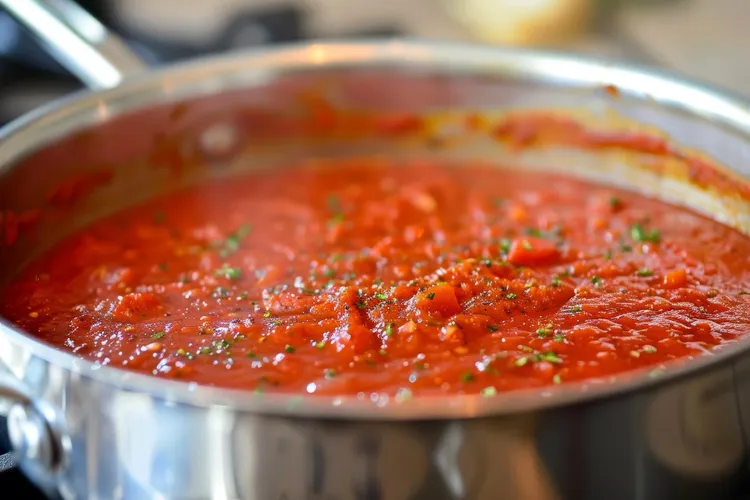
- In pasta sauces: 1 tsp per 2-person serving, added with the tomatoes. The dish will taste significantly more complex without tasting of beef specifically.
- In risotto: Stir in 1-2 tsp at the end of cooking in place of extra parmesan.
- As a meat marinade: Mix with a little oil, garlic, and black pepper. Works on chicken, pork, and lamb as well as beef. Try it on pan-roasted chicken thighs.
- Finishing soups and stews: A splash added off the heat deepens the broth without thickening it.
For the full context on garum's place in the fermented umami pantry, see the Complete Guide to Garum and Fermented Umami Sauces.
Latest