How to Store Fresh Rosemary: Drying, Freezing, and Infusing Oil
Rosemary dries better than most herbs, which makes storing a surplus straightforward - here's how to dry, freeze, or infuse it for the longest-lasting flavor.
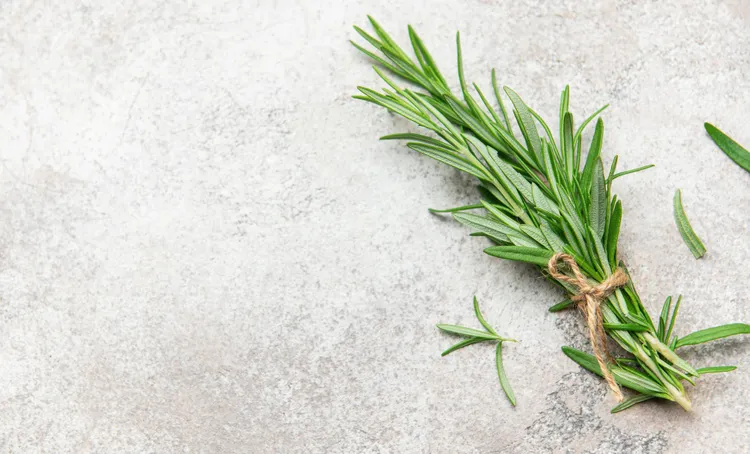
Rosemary is unusual among fresh herbs in that it dries genuinely well, holding onto most of its flavor rather than turning into a flat, dusty shadow of the fresh version. That makes storing a rosemary surplus a lot less stressful than doing the same with a more delicate herb.
Short-Term Fresh Storage
Fresh rosemary keeps remarkably well in the fridge compared to most herbs, thanks to its low moisture content and tough, woody structure. Wrapped loosely in a slightly damp paper towel and stored in a partially sealed bag in the crisper drawer, a bunch can last two to three weeks without much noticeable decline in quality - considerably longer than tarragon, basil, or dill.
Drying Rosemary
Drying is a genuinely good long-term storage option for rosemary, unlike with softer herbs. Its woody, low-moisture leaves hold onto their essential oils well through the drying process.
Air-Drying
Tie small bunches of stems together with string and hang them upside down in a dark, well-ventilated spot. Rosemary typically dries within 1 to 2 weeks, depending on humidity, and is ready when the leaves feel brittle and separate easily from the stem.
Oven or Dehydrator Drying
For a faster result, spread rosemary sprigs on a baking sheet and dry in an oven set to its lowest temperature (ideally under 180°F/82°C) with the door slightly ajar, checking every 20 minutes, or use a dehydrator at around 95°F to 100°F for a few hours.
Once dry, strip the leaves from the woody stems and store them whole in an airtight container, away from light and heat. Dried rosemary holds good flavor for up to a year, longer than most dried herbs, though it's still best used within 6 months for the strongest flavor.
Freezing Rosemary
Freezing works well too, and is worth doing if you want to preserve rosemary closer to its fresh flavor and texture than drying allows.
Freezing in Oil
Finely chop rosemary and pack it into ice cube tray compartments, topping each with olive oil before freezing. Once solid, transfer the cubes to a freezer bag. These can go straight into a hot pan for roasting or sautéing without thawing.
Freezing Whole Sprigs
Whole sprigs can simply be placed in a freezer bag and frozen as-is - rosemary's sturdy structure holds up well to freezing without turning to mush the way more delicate herbs do. Frozen sprigs work well added directly to a roasting pan, soup, or braise.
Infusing Oil
Rosemary-infused olive oil is one of the most useful ways to preserve a harvest, though it comes with a real food safety consideration - fresh herbs in oil at room temperature can support the growth of the bacteria that causes botulism if not handled correctly. Our infused oil guide covers how to make it safely, including proper storage and shelf life.
Which Method to Choose
- Using it within a few weeks: Simple fridge storage - rosemary holds up longer than most herbs here already
- Want a shelf-stable pantry staple: Air-dry or oven-dry
- Want closer to fresh flavor for cooking: Freeze in oil or as whole sprigs
- Want a ready-to-use flavored oil: Infuse into olive oil, following proper safety steps
Because rosemary is one of the more forgiving herbs to store, it's a good one to buy or harvest in larger quantities than you need immediately, knowing that drying it is a legitimate long-term option rather than a fallback. For more on using it fresh or preserved, see the complete rosemary guide.
Latest