Blood Sugar and Hormones: Why Insulin Resistance Increases in Perimenopause
Oestrogen directly improves insulin sensitivity. As it declines, the body's ability to manage blood glucose changes - even in women who have never had blood sugar issues. This is the mechanism behind the body composition shifts, energy crashes, and increased belly fat that many women notice in their 40s.
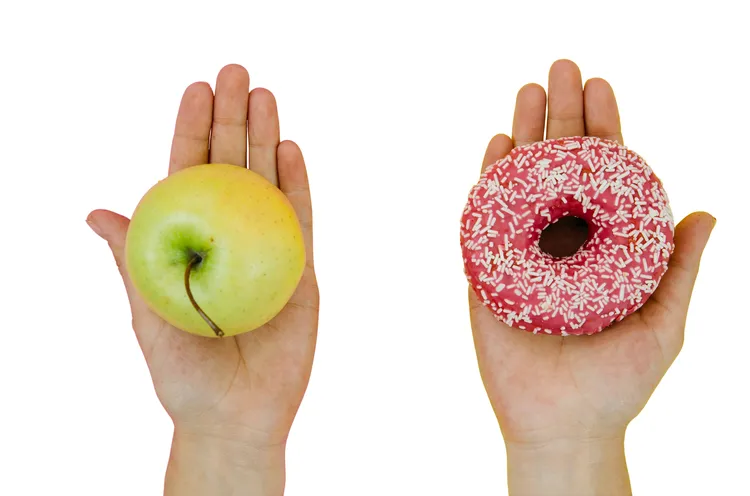
Insulin resistance is not a condition that appears suddenly in perimenopause. It develops gradually as oestrogen levels begin to fluctuate and decline, typically becoming more noticeable in the mid-40s. Women who describe 'doing nothing differently but gaining weight around the middle' or 'energy crashes that never used to happen' are frequently observing the metabolic effects of this shift in real time. Understanding the mechanism makes the dietary response make more sense.
What Oestrogen Does for Insulin Sensitivity
Oestrogen improves insulin sensitivity through several mechanisms: it increases the number and activity of insulin receptors in muscle and liver cells, promotes glucose uptake into skeletal muscle (reducing the glucose load that reaches adipose tissue), and influences the secretion patterns of adipokines (hormones produced by fat tissue that regulate metabolic function). In practical terms, oestrogen helps keep blood glucose lower after meals and reduces the proportion of dietary energy that is stored as fat - particularly visceral fat.
As oestrogen declines, these mechanisms weaken. The same meal that produced a moderate glucose response in a woman at 35 may produce a higher, longer-lasting spike at 48. Visceral fat increases even without changes in total caloric intake. Fasting glucose and insulin levels tend to rise modestly. None of these changes are inevitable or untreatable through diet - but they do not respond to the same dietary patterns that worked in pre-menopause.
The Metabolic Shift in Practice
The most commonly reported metabolic changes in perimenopause include: increased abdominal fat deposition without significant weight change elsewhere, stronger mid-afternoon energy crashes, more pronounced cravings for carbohydrate-dense foods, greater sensitivity to refined carbohydrates (bread, rice, pasta producing more pronounced energy fluctuations than previously), and greater difficulty losing weight through approaches that previously worked.
All of these are consistent with increased insulin resistance and the glucose-cortisol cycle described in the perimenopause context. They are not character failures or metabolic mysteries - they are predictable physiological responses to hormonal change that have direct dietary solutions.
The Dietary Pattern That Works
Protein at every meal: Protein slows gastric emptying, blunts glucose peaks, and stimulates the release of GLP-1 (the same hormone targeted by Ozempic/semaglutide) - reducing appetite and improving insulin signalling. The target of 25-35g protein per meal is relevant for blood sugar stability as much as for muscle preservation. See the full protein guide in protein and perimenopause.
Whole grains over refined: The fibre in whole grains slows glucose absorption significantly. Replacing white bread with wholegrain, white rice with brown or mixed grain, regular pasta with higher-fibre alternatives - these produce measurably lower post-meal glucose responses. They are not low-carbohydrate strategies; they are lower-glycaemic strategies that work within normal eating patterns.
Non-starchy vegetables at every meal: Volume, fibre, and water content of vegetables slows gastric emptying and reduces glucose absorption. Eating vegetables before the carbohydrate component of a meal reduces post-meal glucose peaks by 20-30% compared to eating carbohydrate first - one of the more practically useful meal-order findings in nutritional research.
Reducing refined sugar and ultra-processed foods: These produce the highest and fastest glucose peaks of any dietary category and are disproportionately problematic as insulin sensitivity declines. This is not about elimination but about relative frequency - daily consumption of refined carbohydrate-heavy, low-fibre foods in perimenopause produces cumulative metabolic consequences that the same frequency of consumption did not produce in pre-menopause.
Not skipping meals: Extended periods without food trigger cortisol responses that further impair insulin sensitivity and encourage visceral fat storage - particularly problematic in perimenopause when the cortisol and insulin systems are already under additional hormonal stress. Eating at regular intervals (every 3-5 hours) helps maintain the glucose stability that reduces this cortisol activation.
Vinegar, Time-Restricted Eating, and Other Strategies
Apple cider vinegar before meals has a modest but real evidence base for reducing post-meal glucose peaks - the acetic acid slows starch digestion. The effect is not large enough to compensate for a high-glycaemic diet but is a useful addition for women who find it practical. Time-restricted eating (TRE) has mixed evidence specifically for perimenopausal women: it improves metabolic markers in some trials and worsens HPA axis reactivity in others, particularly for women with poor sleep or high stress loads. TRE aligned with daylight hours (eating window 8am-6pm rather than noon-8pm) appears more compatible with circadian metabolism than late-skewed windows.
The Body Composition Piece
The visceral fat accumulation common in perimenopause is partly metabolic (insulin resistance directing energy storage to abdominal adipose tissue) and partly hormonal (oestrogen in pre-menopause preferentially directs fat storage to hips and thighs; its loss shifts storage centrally). The dietary strategies above reduce the metabolic contribution. The hormonal contribution requires either hormonal intervention (HRT) or resistance exercise that rebuilds the insulin-sensitive muscle mass that drives glucose away from adipose storage. For the complete perimenopause nutritional framework, the perimenopause kitchen guide covers every priority in context.
The Mediterranean Diet Evidence
Of all the dietary patterns studied in the context of perimenopause and post-menopause, the Mediterranean dietary pattern has the most consistent evidence across multiple outcomes: reduced cardiovascular risk, improved insulin sensitivity, better preservation of cognitive function, lower inflammatory markers, and modest benefit for vasomotor symptoms. It is not a specific protocol but a dietary pattern characterised by: abundant vegetables, legumes, whole grains, and fruits; olive oil as the primary fat; regular fish; moderate dairy; limited red meat; and moderate wine (the last is optional for perimenopause management given wine's trigger potential for hot flushes).
This pattern addresses insulin resistance in perimenopause through multiple mechanisms simultaneously: the high fibre content slows glucose absorption; the olive oil and omega-3 improve insulin receptor sensitivity; the polyphenol density reduces inflammatory tone that impairs insulin signalling; and the protein distribution across meals from fish, legumes, and dairy supports the per-meal glucose stability target. Following a Mediterranean dietary pattern does not require a specific meal plan - it is an orientation toward these food categories that accommodates cultural variation and personal preference.
Alcohol and Insulin Resistance in Perimenopause
Moderate alcohol consumption has a complex relationship with insulin sensitivity - light-to-moderate red wine intake has been associated with improved insulin sensitivity in some studies, but the relationship is substantially confounded by socioeconomic factors. For perimenopausal women specifically, the hot flush trigger effect, the sleep disruption, the HPA axis activation, and the added sugar content of many alcoholic drinks create a picture where the metabolic benefit - if it exists - is likely outweighed by these other effects. Reducing alcohol to two to three units per week maximum is a reasonable perimenopause metabolic health target, quite apart from its effects on insulin sensitivity per se. For the complete perimenopause nutritional framework, the complete guide covers each priority.
Practical Blood Sugar Testing at Home
For women who want objective data about their glucose responses, a consumer blood glucose meter (available at pharmacies for approximately £15-20, with test strips at approximately £10 per 25 strips) allows simple post-meal testing. Testing two hours after a meal gives the two-hour postprandial glucose - the standard clinical marker. A value consistently below 7.8 mmol/L at two hours post-meal suggests reasonable glucose tolerance. Values consistently above this threshold warrant GP discussion and potentially further testing, since perimenopausal insulin resistance can progress to impaired glucose tolerance or type 2 diabetes in susceptible women. The dietary strategies in this article reduce post-meal glucose responses and are appropriate preventive measures regardless of baseline glucose status. For the full perimenopause dietary framework, the complete guide covers insulin resistance alongside all other evidence-based nutritional priorities for the transition.
Body Composition Goals in Perimenopause
The body composition change most commonly described in perimenopause - stable total weight but increasing abdominal girth - reflects visceral fat accumulation driven by insulin resistance and oestrogen-mediated changes in fat distribution. This is both metabolically significant (visceral fat is metabolically active and inflammatory in ways that subcutaneous fat is not) and resistant to caloric restriction alone. Aggressive dieting in perimenopause tends to preferentially reduce muscle mass rather than visceral fat, particularly without resistance exercise, and reduces metabolic rate in ways that make weight management harder long-term.
The more effective approach for body composition in perimenopause is: maintain or slightly reduce overall caloric intake while preserving protein (to protect muscle mass), increase the proportion of calories from fibre-rich carbohydrates and healthy fats, add resistance exercise to maintain the muscle mass that drives resting metabolic rate, and address sleep quality (poor sleep specifically drives visceral fat accumulation through cortisol and ghrelin mechanisms). This is a recomposition approach - maintaining or increasing muscle while reducing visceral fat - rather than a simple weight loss approach. The dietary components align entirely with the perimenopause nutritional framework in the complete guide.
The Starting Point
For women who currently eat minimal protein at breakfast and lunch and rely on refined carbohydrates as the basis of most meals, the single highest-leverage change is adding a protein source to breakfast. This one shift - from cereal-only to Greek yoghurt and seeds, or eggs on toast, or a protein smoothie - reduces the morning glucose instability that drives the mid-morning cortisol and crave cycle, supports muscle protein synthesis at the most commonly under-served meal, and builds the protein-first eating mindset that naturally extends to better choices at lunch. Everything else in the blood sugar stability framework builds on this one habit change. For the complete perimenopause dietary approach, the complete guide covers insulin resistance alongside all six evidence-based nutritional priorities.
Long-Term Metabolic Health
The insulin resistance of perimenopause is not a temporary condition that resolves after the transition. Post-menopausal women have persistently higher insulin resistance than pre-menopausal women of similar age, weight, and activity level. The dietary strategies described in this article are therefore long-term practices rather than perimenopausal interventions - protein distribution, whole grain preference, legume inclusion, and regular eating patterns support metabolic health throughout post-menopause and beyond. Women who establish these patterns in perimenopause enter post-menopause with better metabolic health than those who do not, and this difference compounds over the following decades into substantially different cardiovascular and metabolic risk profiles. For the complete perimenopause dietary framework, the complete guide covers insulin resistance as one of six evidence-based nutritional priorities.
The Exercise-Diet Partnership
No dietary strategy for insulin resistance in perimenopause is as effective without resistance exercise as it is with it. Skeletal muscle is the primary site of insulin-stimulated glucose disposal - approximately 75-80% of a glucose load is taken up by skeletal muscle in an insulin-sensitive state. Maintaining skeletal muscle mass through resistance exercise preserves this insulin-sensitive tissue and directly improves the body's ability to manage post-meal glucose without cortisol-mediated backup. A woman who maintains her muscle mass through perimenopause through protein adequacy and resistance exercise has a substantially better insulin sensitivity profile than one who does not - regardless of other dietary choices.
The dietary and exercise components of insulin sensitivity management in perimenopause are both necessary. Dietary changes alone produce meaningful improvement but not as much as the combination. The dietary priorities described in this article - protein distribution, whole grain preference, non-starchy vegetables at every meal, consistent meal timing - are the nutritional half of a two-part programme. For the complete perimenopause dietary framework, the complete guide covers insulin resistance alongside all six evidence-based nutritional priorities.
The evidence for dietary management of insulin resistance in perimenopause is not tentative - it is well-characterised and actionable. Every woman in perimenopause experiences some degree of reduced insulin sensitivity as oestrogen declines. The dietary strategies in this article address the mechanism directly: distributing protein across meals to support glucose disposal, choosing fibre-rich carbohydrates to slow absorption, including non-starchy vegetables at every meal to increase insulin-sensitive glucose uptake, and maintaining consistent meal timing to prevent the cortisol-glucose cycle. These are not difficult changes. They are reorientations of existing eating habits toward the nutritional priorities that perimenopause specifically requires. The complete framework is in the perimenopause kitchen guide.
Medical disclaimer: This article is for informational purposes only and does not constitute medical advice. Perimenopause affects every woman differently, and dietary changes should complement, not replace, guidance from your GP or a qualified healthcare professional. If you are experiencing significant symptoms, please seek medical support.
Latest