Planting Ginger Rhizomes (Sourcing Seed Ginger & Pre-Sprouting)
Why ginger is propagated from rhizome rather than true seed, how to source and pre-sprout seed ginger, and the soil and timing conditions it needs.
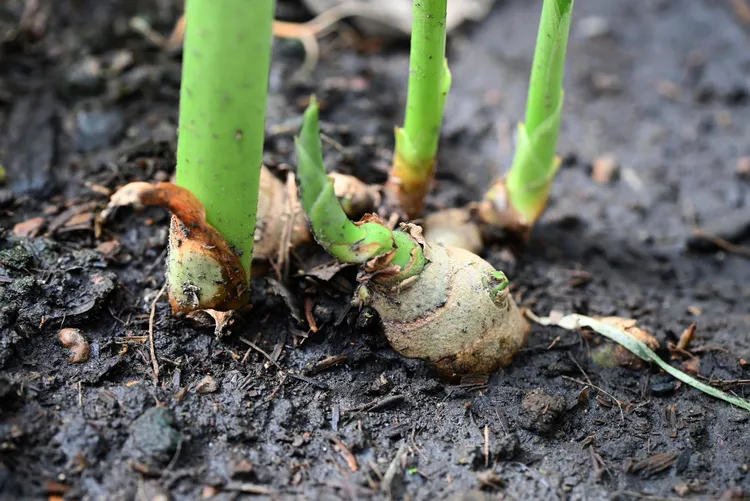
Ginger has no true seed in ordinary cultivation. The knobby, fingered rhizome sold in grocery stores is the same structure planted to grow a new crop, which makes ginger's start genuinely different from almost every other ingredient covered elsewhere in this framework.
What "Seed Ginger" Actually Is
Rather than a seed, growers plant a piece of mature rhizome, ideally one with at least one or two visible "eyes," small pointed buds similar in concept to a potato's eyes, from which new shoots will emerge. A whole grocery store hand of ginger can be broken into several smaller pieces for planting, provided each piece retains at least one healthy eye and enough surrounding flesh, roughly a golf ball's worth, to fuel initial growth before the new plant develops its own root system.
Sourcing Seed Ginger
Grocery store ginger works for planting in many cases, but it's often treated with a growth retardant to extend shelf life, which can slow or prevent sprouting. Organic grocery store ginger is less likely to carry this treatment and is a reasonable starting point for a first attempt; dedicated seed ginger from a specialty nursery or seed supplier, selected specifically for viable sprouting and disease-free stock, is the more reliable choice for a serious planting.
Pre-Sprouting Before Planting
Ginger benefits from being pre-sprouted indoors before it ever goes into garden soil, particularly in climates with a shorter growing season. Placing rhizome pieces in a shallow tray of lightly moistened potting mix, in a warm spot (75 to 80°F / 24 to 27°C) with indirect light, for 4 to 6 weeks before the outdoor planting window gives visible shoots and root development a head start, meaningfully shortening the time to a usable harvest later in the year.
When to Plant Outdoors
Ginger is a genuinely tropical and subtropical plant with essentially no frost tolerance at any growth stage, meaning outdoor planting should wait until nighttime temperatures reliably stay above 55°F (13°C) and all frost risk has passed, later in spring than many other common garden crops. In climates with a short growing season, starting rhizome indoors weeks ahead of this window, as described above, is close to essential for a worthwhile harvest by fall.
Soil and Site Preparation
Ginger wants rich, loose, well-draining soil, heavy in organic matter, and consistently moist without ever sitting waterlogged, since rhizomes rot readily in poorly drained conditions. Raised beds or large containers with excellent drainage suit ginger particularly well for exactly this reason, giving more direct control over soil structure than an unamended garden bed might offer. Partial shade, roughly 30 to 50% filtered light rather than full, blazing sun, is ideal; ginger is naturally an understory plant in its native tropical range and tends to scorch or dry out under intense, unshaded sun.
Planting Technique
Plant rhizome pieces about 2 to 4 inches (5 to 10cm) deep, eyes facing upward, spaced roughly 8 to 12 inches (20 to 30cm) apart to allow room for the rhizome cluster to expand outward as it grows. A generous layer of mulch over the planting bed helps retain the consistent soil moisture ginger needs and keeps soil temperature more stable through the growing season.
Container Growing
Ginger grows well in containers, arguably better suited to container culture than many other crops in this framework, since a large, wide, relatively shallow container (at least 12 inches / 30cm deep) gives the same warm, well-draining, partially shaded conditions ginger wants without depending on a specific garden bed's existing soil and light conditions. This also makes ginger a realistic crop for gardeners in cooler climates who can move a container indoors or to a more protected spot if an unexpected cold snap threatens.
Frequently Asked Questions
How long does it take for planted ginger to sprout? Sprouting typically takes 2 to 4 weeks under warm conditions, sometimes longer in cooler soil; pre-sprouting indoors, as covered above, gets a visible head start on this timeline before outdoor planting even begins.
Can I grow ginger in a climate with cold winters? Yes, as an annual crop grown fresh each year from newly purchased or saved rhizome, provided the growing season offers at least 8 to 10 months of warm conditions, which in many temperate climates means starting rhizome indoors well ahead of the outdoor planting window and potentially extending the season with container growing that can be moved indoors in fall.
How much seed rhizome do I need for a meaningful harvest? A single plant grown from one seed piece typically multiplies several times over by harvest, but for a household-relevant harvest, planting a pound or more of seed rhizome, broken into individual pieces, is a more realistic starting quantity than a single small piece.
Does turmeric grow the same way as ginger? Yes, turmeric is a close botanical relative propagated identically from rhizome pieces, and much of the general planting, growing, and harvesting guidance in this framework applies similarly to turmeric, though turmeric's flavor, color, and specific culinary uses differ substantially from ginger's.
A Simple Planting Checklist
- Source seed rhizome, ideally untreated or from a dedicated supplier.
- Break into pieces with at least one healthy eye each, roughly golf-ball sized.
- Pre-sprout indoors 4 to 6 weeks in warm, lightly moist potting mix.
- Wait for nighttime temperatures to reliably stay above 55°F before outdoor planting.
- Plant 2 to 4 inches deep, eyes up, in rich, well-draining, partially shaded soil.
- Mulch generously to retain consistent moisture.
Thinking Beyond the First Season
A first ginger planting is also an opportunity to set aside a portion of the eventual harvest specifically as next year's seed rhizome, avoiding the need to source new stock each season and, over time, potentially developing rhizome better adapted to a specific garden's own soil and microclimate conditions, similar to the seed-saving practice covered for garlic elsewhere in this framework.
Comparing Indoor Pre-Sprouting Setups
A simple seed tray with a clear humidity dome, kept on a warm windowsill or over a seedling heat mat, works well for pre-sprouting a modest quantity of rhizome pieces. For a larger planting, a shallow plastic storage bin with drainage holes drilled in the bottom, filled with a few inches of moistened potting mix, offers more room to pre-sprout a larger batch of rhizome pieces at once before transplanting outdoors.
Frequently Asked Questions
What if my seed rhizome doesn't sprout during the pre-sprouting window? Grocery store ginger treated with a growth retardant sometimes fails to sprout even under good conditions; if a piece shows no activity after 6 weeks, it's reasonable to try a fresh piece from a different, ideally untreated or dedicated seed source rather than continuing to wait indefinitely.
How many rhizome pieces should a beginner start with? A modest planting of 4 to 6 pieces is a reasonable first attempt, large enough to learn the process and see a meaningful result without overcommitting limited indoor pre-sprouting space to an unfamiliar crop.
Does rhizome size at planting affect final harvest size? Generally yes; a larger seed piece with more stored energy tends to establish more vigorously and produce a larger eventual harvest than a very small piece, similar to the same relationship covered for garlic clove size elsewhere in this framework.
Is it necessary to treat rhizome pieces with anything before planting? Most home growers plant untreated pieces with good results; allowing cut surfaces on freshly divided rhizome to callus over for a day or two before planting can reduce rot risk, similar to a practice sometimes used with seed potatoes.
Planning Ahead for Next Season While Planting This One
Even at the planting stage, it's worth noting which container or bed this season's ginger goes into, since ginger benefits from fresh, well-draining soil each year rather than the same depleted growing medium reused indefinitely, similar in principle to rotation practices covered for other crops in this framework.
A Note on Sourcing Multiple Varieties
Beyond the general distinction between young and mature ginger covered in the harvest guide, some seed suppliers offer named ginger varieties with subtle differences in heat, fiber content, or size. For a first planting, this distinction matters less than simply securing viable, healthy seed rhizome from a reliable source; variety experimentation is a reasonable next step for a grower with a successful first season already behind them.
What Success Looks Like at This Stage
By the time outdoor planting happens, success isn't every single rhizome piece showing vigorous sprouts, it's a reasonable number of healthy, actively growing pieces ready to go into warm soil. A few pieces that fail to sprout during pre-sprouting is normal variation, not a sign the whole planting attempt has gone wrong.
Thinking Ahead to the Rest of the Season
Decisions made at planting, rhizome quality, pre-sprouting thoroughness, site selection for shade and drainage, echo forward through every later stage covered in this guide. Taking the extra time to pre-sprout properly and choose a genuinely well-suited planting site pays off across the many months of growing that follow.
Purchasing From Multiple Sources
Ordering seed rhizome from more than one supplier, or supplementing a dedicated seed source with a small amount of organic grocery store ginger as a backup, hedges against any single source's stock failing to sprout reliably, a reasonable precaution for a first-time attempt with an unfamiliar propagation method.
Comparing Indoor Starting to Direct Outdoor Planting
In genuinely tropical or subtropical climates with a very long frost-free season, skipping indoor pre-sprouting and planting rhizome directly outdoors once soil has warmed is a reasonable option, since the extended growing season provides enough time without needing an indoor head start. For the majority of temperate climates covered by most readers of this framework, indoor pre-sprouting remains the more reliable approach.
What Success Looks Like at This Stage
Success at the planting stage isn't a flawless outcome for every single piece; it's a reasonable planting depth, adequate pre-sprouting time, and warm enough soil at transplant time to give the crop its best realistic shot at a strong growing season ahead.
Patience With an Unfamiliar Propagation Method
For gardeners used to planting true seeds, rhizome propagation can feel unfamiliar at first, waiting for eyes to sprout rather than watching a seedling emerge in the usual way. Trusting the process, and checking rhizome pieces periodically for early signs of sprouting rather than assuming failure too quickly, helps build confidence with this genuinely different starting point.
Planting ginger for the first time can feel like an unfamiliar leap, waiting weeks for eyes to sprout on a piece of rhizome that looks little different from what's sitting in a grocery store bin, but the process itself asks for very little beyond correct warmth, moisture, and patience. Once that first crop sprouts successfully, the whole cycle becomes considerably more intuitive for every planting after.
Trust the process, keep conditions warm and consistently moist, and the reward, a genuinely unusual home garden crop most gardeners never attempt, is well worth the patience it asks for at the outset.
Every small success along the way, a sprout finally appearing after weeks of waiting, a healthy transplant taking root outdoors, builds confidence for the seasons that follow.
By the time outdoor planting day arrives, that early patience has already set the stage for everything that follows across the rest of the growing season.
A confident start makes everything that follows easier.
One Last Practical Note
Keeping a simple written record of planting dates, rhizome source, and pre-sprouting duration each season makes it considerably easier to fine-tune timing in future years, rather than trying to recall details from memory alone once several seasons of ginger growing start to blend together.
Latest









