Shrimp Paste (Belacan, Bagoong, and Kapi): A Cook's Guide to Fermented Crustaceans
Shrimp paste is the backbone of Southeast Asian cooking - a fermented crustacean paste that adds umami depth at a level few other ingredients can match. This guide covers the main types (Malaysian belacan, Filipino bagoong, Thai kapi), how to use them, and where to buy them.
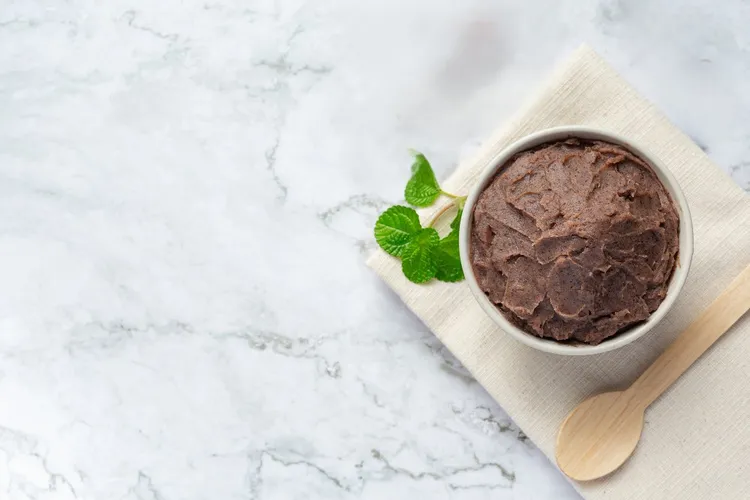
Shrimp paste smells alarming from the packet. Raw, it has a fermented fishiness that seems impossible to cook with. This is deceptive. When fried briefly in hot oil, the sharp raw character transforms into something clean, rich, and deeply savoury - a flavour base that underlies some of the most compelling food in the world, from Malaysian laksa to Thai green curry to Filipino kare-kare.
The Main Types of Shrimp Paste
Belacan (Malaysian / Singaporean)
Dried, compressed shrimp paste sold in firm blocks or slabs. The shrimp are salted, dried, fermented, sun-dried again, and pressed into bricks. Very intense - a little goes a long way. Dark pink to brownish-pink in colour. The most versatile type for home cooking.
- Intensity: Very high
- Texture: Firm, dry, crumbles easily
- Best for: Sambal, nasi lemak paste, laksa base, any Malaysian or Singaporean dish
- How to prepare: Toast in a dry pan or wrap in foil and toast under a grill before using. This reduces the raw edge significantly.
Kapi (Thai)
Similar to belacan but typically wetter and more pungent. Greyish-pink to purple in colour. Used as the base for Thai curry pastes (green, red, massaman all start with kapi) and in nam prik dipping sauce pastes.
- Intensity: Very high, slightly more pungent than belacan
- Texture: Moist paste
- Best for: Thai curry pastes, nam prik, Thai salads (yam)
Bagoong Alamang (Filipino)
Filipino fermented shrimp paste, wetter and often available in raw (uncooked, pink) and cooked (sauteed with garlic and sometimes sugar - darker, reddish) versions. The cooked version can be eaten directly as a condiment; the raw version requires cooking.
- Intensity: High, but slightly milder than belacan and kapi due to higher moisture content
- Texture: Coarse, wet
- Best for: Kare-kare (Filipino peanut stew), as a condiment with green mango, fried rice
Macros per Teaspoon (approx.)
- Calories: 5-8 kcal
- Protein: 0.8-1g
- Fat: 0.2g
- Sodium: ~300-500mg
Used in teaspoon quantities (as it almost always is), the caloric contribution of shrimp paste is negligible.
How to Cook With Shrimp Paste
The fundamental technique: fry before using. Add a small amount to oil over medium-high heat and stir-fry for 60-90 seconds before adding aromatics (garlic, shallots, lemongrass). This cooks off the raw fermented smell and develops the flavour into something clean and deeply savoury.
Amounts to start with:
- Belacan: 1/4 to 1/2 tsp per 2-person serving of a curry paste or sambal
- Kapi: 1/4 tsp in a full batch of curry paste (serves 4)
- Bagoong (raw): 1 tsp per 2-person serving of fried rice or stir-fry
Store-Bought Options
All three types are available from Asian supermarkets in the UK for £1.50-4 per pack (belacan blocks are typically 200-250g). Online sources include Sous Chef and Asian grocery delivery services. Look for:
- Belacan: Any brand from Malaysia or Singapore. Avoid versions with added MSG listed prominently - a sign of lower quality.
- Kapi: Mae Ploy and Maesri are reliable widely-available Thai brands.
- Bagoong: Clara Ole and Barrio Fiesta are common Filipino brands stocked by Filipino grocery stores and online.
DIY Shrimp Paste
Making shrimp paste at home requires either fresh shrimp (not always accessible) or dried shrimp, and a longer fermentation period than most home cooks want to manage. The store-bought versions are excellent and very inexpensive. Unless you are specifically interested in the fermentation process itself, buy it rather than make it. The DIY garum guide covers a more rewarding homemade fermentation project for home cooks in the UK.
For the full picture of how shrimp paste fits alongside fish sauce, garum, and miso in a fermented umami pantry, see the Complete Guide to Garum and Fermented Umami Sauces.
Latest