Tomato and Basil Recipes for Peak Summer Harvest
Recipes that pair a tomato glut with a basil glut at the same time, since both usually peak together.
Basil and tomatoes ripen on roughly the same calendar in most home gardens, which means a basil glut is very often paired with a tomato glut whether that was planned or not. Recipes that use both by the pound solve two problems in one session.
Simple Fresh Tomato Sauce
Roughly chop 3 pounds of ripe tomatoes and simmer with a few tablespoons of olive oil, 3 cloves of minced garlic, and salt for about 30 minutes, until the tomatoes break down into a loose sauce. Remove from heat and stir in a full cup of torn or roughly chopped basil at the very end, off the heat, so the fresh flavor survives rather than cooking away.
This sauce freezes well without the basil; if freezing a batch, add fresh basil after thawing and reheating rather than before freezing, since frozen-then-reheated basil in a sauce tends to taste flat compared to basil added fresh at serving time.
Tomato and Basil Tart
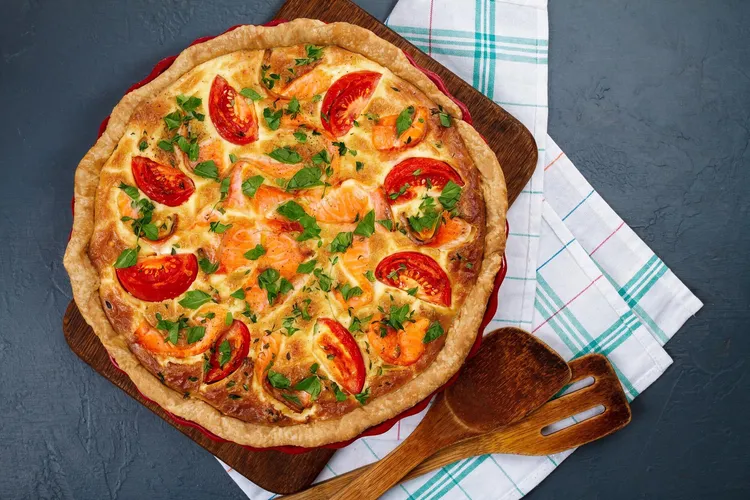
Roll out a sheet of puff pastry onto a baking sheet and score a border about an inch in from the edge. Spread a thin layer of ricotta or goat cheese mixed with a little salt and pepper inside the border. Arrange thick tomato slices over the cheese, season with salt, and bake at 400°F (200°C) for 25 to 30 minutes until the pastry is puffed and golden. Scatter a generous handful of fresh basil over the top immediately after baking, while the tart is still hot enough to release the aroma but not so hot that the basil wilts into the cheese.
Chilled Tomato and Basil Soup
Blend 2 pounds of very ripe tomatoes with a full cup of basil leaves, a small clove of garlic, a splash of olive oil, and salt until completely smooth. Chill for at least an hour before serving. This is essentially a basil-forward gazpacho and uses a large volume of both ingredients raw, which keeps their flavor as close to fresh as any recipe in this guide.
Strain through a coarse sieve if a smoother texture is wanted, though a rustic, slightly textured version is fine for a home-style version of this soup.
Quick Tomato, Basil, and Mozzarella Skewers
Thread cherry tomatoes, small mozzarella balls, and whole basil leaves onto small skewers, alternating all three. Drizzle with olive oil and a little balsamic glaze just before serving. This is essentially a portable, party-friendly version of caprese and uses whole leaves rather than torn ones, a good option when whole small leaves are more available than fewer large ones.
Why This Pairing Works So Well for a Glut
Both ingredients are at their best used generously and fresh, and both start to decline in quality within days of harvest. Solving them together, rather than treating tomatoes and basil as separate projects, means fewer total dishes to plan and less risk of one glut being tackled while the other quietly goes to waste on the counter.
If tomatoes alone are also overwhelming, mapping out a few days of meals in advance makes it easier to actually get through both harvests before either declines; a simple weekly plan built around what's ripest goes a long way here.
For more basil-specific ideas beyond the tomato pairing, including salads that use basil as the main ingredient, see Caprese and Beyond: Fresh Basil Salad Ideas, or return to the Basil Glut Guide for the complete plan.
Batch Cooking and Storing These Recipes
The fresh tomato sauce is the most freezer-friendly of the four recipes here. Made without the basil, it holds well for up to 3 months frozen in portioned containers. Thaw and reheat gently, then stir in fresh basil right before serving to preserve its brightness rather than cooking it a second time.
The tart is best made and eaten the same day, since puff pastry loses its crispness after refrigeration. The chilled soup keeps for 2 to 3 days refrigerated and can be made ahead of a gathering; the skewers are best assembled within a few hours of serving since the mozzarella can weep some moisture if left too long.
Choosing Tomatoes for These Recipes
Very ripe, slightly soft tomatoes, the kind that are almost too ripe for a fresh salad, are ideal for the sauce and chilled soup, since their sweetness is at its peak and any minor cosmetic imperfections don't matter once they're cooked down or blended. Save firmer, more visually perfect tomatoes for the tart and skewers, where whole slices or pieces are visible in the finished dish.
Common Mistakes
- Adding basil too early to a hot sauce. Basil added at the start of a 30-minute simmer loses much of its bright flavor and turns a dull, dark green by the time the sauce is done. Stir it in at the very end, off the heat.
- Using underripe tomatoes in the chilled soup. Because this recipe is entirely raw, tomato quality carries the whole dish. Underripe or bland tomatoes produce a thin, unsatisfying result no amount of basil can fix.
- Overbaking the tart. Tomatoes release a fair amount of water as they bake; pulling the tart at the right time, when the pastry is golden but not overly dark, avoids a soggy center from prolonged baking.
Frequently Asked Questions
Can I use canned tomatoes instead of fresh for the sauce?
Yes, canned whole or crushed tomatoes work well in the sauce recipe, particularly outside of peak tomato season, though the flavor will be slightly different, often a bit more acidic, than one made from very ripe fresh tomatoes.
What other cheeses work in the tart besides ricotta or goat cheese?
A soft, mild cheese like mascarpone or a light cream cheese thinned slightly with milk both work as substitutes, keeping the same basic method.
Can I make the chilled soup less acidic if my tomatoes are very tart?
Yes, a small pinch of sugar or a splash of a neutral cream can round out excess acidity in tomatoes that lean tart rather than sweet.
Tips for Success
Add basil at the end of cooking wherever heat is involved; prolonged cooking dulls its flavor and turns it a duller olive color rather than staying bright green. For raw preparations like the chilled soup and skewers, use the freshest basil available, since these dishes show off basil's brighter, more delicate notes that cooked dishes tend to mute.
Latest