Thai Basil vs Sweet Basil vs Genovese: What's the Difference
A comparison of common basil varieties by flavor, appearance, and which recipes suit each one best.
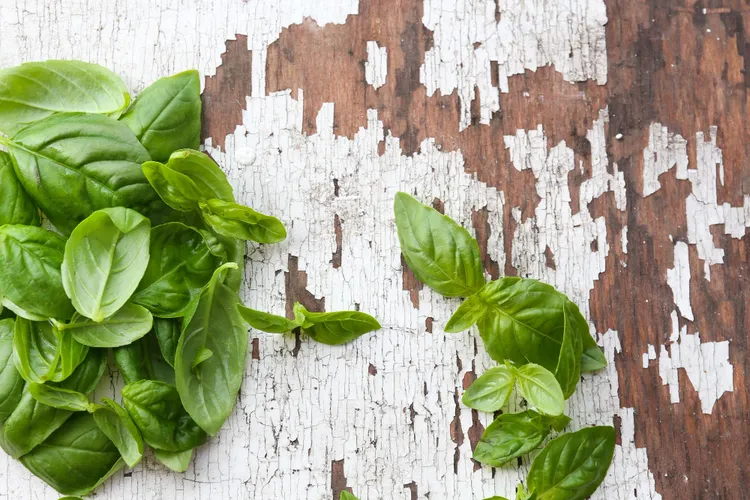
Not all basil in a garden or a grocery store is the same plant. The differences matter more than people assume, since a variety bred for cooked Southeast Asian dishes behaves very differently in a pot of simmering sauce than one bred for raw Italian pesto.
Sweet Basil (Genovese Family, General Purpose)
Sweet basil is the broad category most people picture when they hear "basil": bright green, tender, slightly glossy leaves with a flavor that's peppery, slightly sweet, and a little like anise. It's the most common variety sold fresh in grocery stores and the most common one gardeners grow from a general seed packet labeled simply "basil."
It's versatile but doesn't hold up especially well to long cooking; its flavor is at its best raw or added at the very end of cooking.
Genovese Basil (The Pesto Standard)
Genovese is technically a specific cultivar within the sweet basil family, but it's worth calling out separately because it's the traditional and still-best choice for pesto. It has larger, slightly more textured leaves than generic sweet basil and a more concentrated, less peppery flavor that holds its character well when blended with oil, garlic, and cheese.
If a recipe simply says "basil" without specifying, Genovese or standard sweet basil is almost always the safe assumption, and it's what the recipes in the Basil Glut Guide assume unless noted otherwise.
Thai Basil (Built for Heat and Cooking)
Thai basil looks noticeably different: smaller, narrower leaves, purple stems, and purple-tinged flower buds. The flavor is distinctly more anise-forward with a hint of clove, sharper and more assertive than sweet basil.
Its biggest practical advantage is that it holds up to heat far better than sweet basil. Where sweet basil wilts and loses flavor quickly in a hot pan or simmering broth, Thai basil retains more of its character, which is why it's the standard basil used in Thai and Vietnamese stir-fries, curries, and pho, dishes that involve real heat rather than a raw finish.
Lemon Basil and Other Specialty Varieties
Beyond the three main types, gardeners sometimes grow lemon basil (citrusy, lighter flavor, good in fish dishes and drinks), purple basil (visually striking, milder flavor, mostly used for color in salads and infused vinegars), and holy basil or tulsi (peppery and slightly medicinal in flavor, common in Thai cooking and herbal teas, distinct from Thai basil despite the similar name).
If a glut includes a mix of varieties from different plants, it's worth sorting them by intended use rather than treating all basil as interchangeable. A pesto made with Thai basil, for instance, will taste notably different, more anise-forward and less classically "pesto," than one made with Genovese.
Quick Reference by Recipe
- Pesto: Genovese or sweet basil
- Caprese and fresh salads: Genovese or sweet basil
- Stir-fries, curries, pho: Thai basil
- Infused oil or vinegar: sweet basil for a classic flavor, purple basil for color
- Cold drinks and syrups: lemon basil for a citrus note, sweet basil for a classic profile
Growing Differences Worth Knowing
Thai basil tends to be slightly slower to bolt in hot weather than sweet basil, which can make it a better choice for extending a harvest through the hottest part of summer. If bolting has been a recurring problem, see Basil Pruning and Pinching to Stop Bolting for management regardless of variety, since all types benefit from the same pinching approach even if their timelines differ slightly.
Telling Varieties Apart at the Nursery
As small seedlings, before leaves fully develop their mature shape and color, many basil varieties look similar enough to confuse. A few reliable early tells: Thai basil seedlings often show a purple tinge at the stem base even when very young, while sweet basil and Genovese stay green throughout. Purple basil seedlings show color in the leaves themselves from an early stage, not just the stem. Lemon basil has a noticeably lighter green color and a distinct citrus smell even as a small plant, which is the most reliable way to identify it before the leaf shape becomes obvious.
Flavor Compound Differences
The flavor differences between varieties come down to differing concentrations of aromatic compounds. Sweet basil and Genovese are higher in linalool and eugenol, giving that classic sweet, slightly peppery, floral profile. Thai basil has a higher concentration of estragole, the same compound found in tarragon and anise, which explains its more pronounced licorice-like note and its ability to hold up better under heat. Lemon basil contains citral, the same compound found in lemon peel, which is why it smells distinctly citrusy rather than purely herbal.
Growing Differences Beyond Bolting
Beyond bolting speed, Thai basil generally tolerates both heat and slightly less consistent watering better than sweet basil, making it a reasonable choice for a garden that gets less attention during the hottest weeks of summer. Purple basil varieties tend to grow slightly slower overall than green varieties but hold their color and shape well, making them a popular choice for ornamental as well as culinary gardens. Lemon basil tends to be a smaller, more compact plant than either sweet or Thai basil and often bolts faster than both, so it benefits especially from the pinching routine described in Basil Pruning and Pinching to Stop Bolting.
Frequently Asked Questions
Can I substitute Thai basil for sweet basil in a pesto recipe?
Yes, though expect a distinctly different, more anise-forward pesto that tastes noticeably different from a traditional version. It's a legitimate variation rather than a compromise, just not a neutral substitute.
Is holy basil the same as Thai basil?
No, despite sometimes being confused due to both being common in Thai cooking. Holy basil, also called tulsi, has a more peppery, slightly medicinal flavor and is used somewhat differently, often in curries and teas, compared to Thai basil's more anise-forward profile in stir-fries.
Which variety is easiest to grow for a beginner?
Sweet basil or Genovese are generally the most forgiving and widely available, with straightforward growing requirements and the most published guidance available if problems come up.
Tips for Success
When buying basil plants or seeds, check the label rather than assuming. "Basil" alone usually means sweet basil, but nurseries increasingly carry Thai, lemon, and purple varieties side by side, and they're easy to mix up as small seedlings before the leaf shape becomes obvious. If you're growing more than one variety, planning which dishes each one is earmarked for ahead of time makes it easier to keep track of what's growing where and avoid mixing them up at harvest.
Latest