What Is "Savery"? Why Salty-Sweet Is the New Swicy
Savery - savoury plus sweet - is the flavour trend sitting right alongside swicy on every menu and food feed. Here's what distinguishes it from just adding salt to dessert, why it works, and where to see it in action.
Not every food trend needs a portmanteau, but savery earns its word. Savoury-sweet cooking has existed forever - honey on cheese, duck with orange, maple-glazed bacon - but the category only crystallised into a named trend when content creators needed a label that wasn't just "sweet and salty." Savery is more specific than that, and the distinction matters when you're trying to cook it well.
Defining Savery
Savery describes food that sits at the deliberate intersection of savoury and sweet flavour profiles - neither one nor the other, but genuinely both at once. The savoury element is usually umami-driven: fermented ingredients (miso, soy, fish sauce), cured or aged proteins (prosciutto, parmesan, blue cheese), or deeply roasted aromatics (caramelised onion, maillard-browned butter). The sweet element is usually natural or minimally processed: honey, fruit, maple syrup, date syrup.
What savery is not: a sweet dish with a pinch of salt added (that's just adequately seasoned). The savery category requires the savoury component to be a genuine flavour presence, not a seasoning adjustment. Miso brownies are savery. Chocolate cake with a pinch of salt is not.
How Savery Differs from Swicy
Both trends involve flavour contrast, which is why they get bundled together in trend coverage. But they work differently. Swicy is about intensity escalation - the heat and sweetness amplify each other, building over time. Savery is about horizontal contrast - two different flavour dimensions existing simultaneously without either dominating.
A swicy dish tends to be exciting and slightly destabilising. A savery dish tends to be interesting and complex. Swicy makes you sweat a little; savery makes you think "what is in this, exactly?" Both are effective for different reasons. If you want to understand the full distinction, our swicy vs savery comparison breaks it down with specific examples and a rundown of which cooking contexts suit each approach.
Where Savery Shows Up
Savery is particularly visible in three areas right now:
Snacks: The snack category has moved heavily into savery territory. Pickle-flavoured crisps, honey-roasted nuts, dark chocolate with miso, prosciutto crackers with fig. The underlying commercial logic is that savery snacks are harder to put down than purely salty or purely sweet ones, for the same neurological reasons that swicy foods are addictive. Our savery snack recipes guide covers how to make the best versions at home.
Breakfast: The savery breakfast is one of the strongest expressions of the trend. Maple syrup on bacon has existed for decades, but the savery approach goes further: miso in porridge, honey on feta toast, salty granola with sharp cheese, fruit with tajin. Our savery breakfast guide covers the best combinations with macros per serving.
Desserts: Savery desserts are where the trend produces its most surprising results. Miso in a brownie deepens the chocolate flavour and adds a background complexity that makes the whole thing taste more expensive. Tahini in a cookie creates a nuttier, more complex sweetness. Brown butter in anything pushes sweet baked goods into savery territory because the nutty, slightly bitter notes of browned milk solids contrast with sugar beautifully. More on this in our savery dessert recipes article.
Key Savery Ingredients
- White miso: Fermented soybean paste, mild and slightly sweet already. Dissolves easily into batters, sauces, and dressings. The starter ingredient for savery cooking.
- Prosciutto / Parma ham: Salt-cured, intensely savoury, slightly nutty. Works with melon, figs, pears, and honey in classic savery combinations.
- Blue cheese: Sharp, funky, salty. Pairs with honey, pear, walnut, and grape. One of the oldest savery flavour pairings in European cooking.
- Tahini: Sesame paste. Slightly bitter, nutty, rich. Works in both savoury and sweet contexts and creates a savery bridge between the two.
- Maple syrup: More robust and less floral than honey. Stands up better in savoury cooking applications like glazes, dressings, and marinades.
- Fish sauce: High-impact umami. A small amount in a sweet sauce or dessert (genuinely) adds depth that's hard to identify but obvious in its absence.
- Brown butter: Nutty, slightly bitter, intensely savoury. Combined with sugar in baked goods, it pushes everything toward savery territory.
A Simple Savery Dish to Try
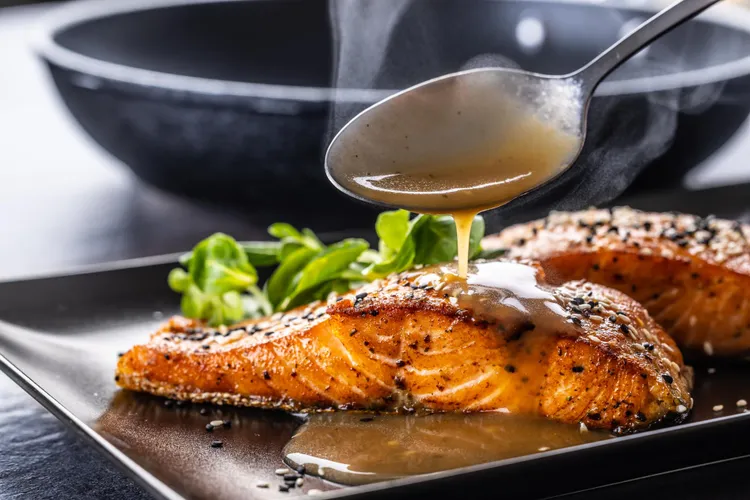
The fastest savery dish you can make: take a piece of baked salmon, make a miso-honey glaze (1 tbsp white miso, 1 tbsp honey, 1 tsp rice vinegar, 1 tsp sesame oil), and brush it on in the last few minutes of cooking. The miso provides umami depth, the honey provides sweetness, the vinegar lifts it, and the sesame adds nuttiness. That's savery cooking in four ingredients.
For a deeper dive into both savery and its related trend swicy, the complete swicy and savery flavour guide covers both from pantry to plate.
Nutrition Note
Savery dishes don't follow a consistent macro pattern - a savery snack and a savery main are very different things. The key variable is usually fat, since many savery ingredients (cheese, cured meat, tahini, butter) are fat-dense. The upside is that fat-driven savery combinations tend to be genuinely satisfying in small portions. A few slices of prosciutto with a tablespoon of honey is around 120 kcal and surprisingly filling.
Latest