Worcestershire Sauce: What's Actually In It and How to Use It as Umami Shorthand
Worcestershire sauce is a fermented umami condiment hiding in plain sight in most British kitchens. Its anchovy, tamarind, and vinegar base makes it one of the most versatile umami boosters available - and one of the cheapest, at under £2 a bottle.
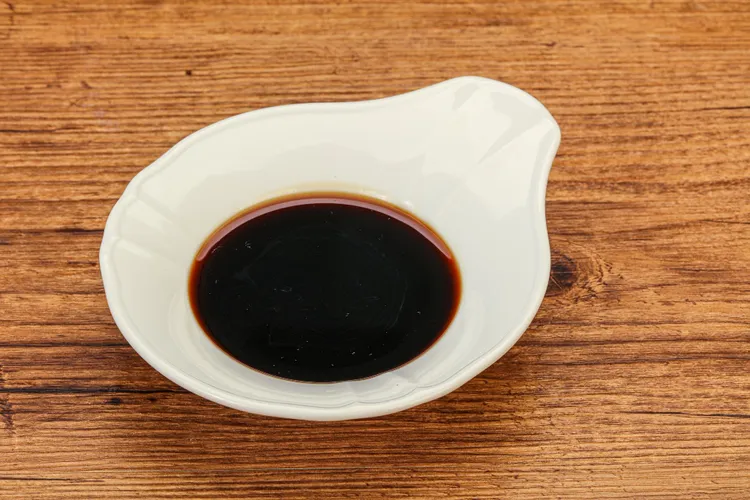
The Lea & Perrins origin story - a batch of sauce made for a returning colonial officer, forgotten in a warehouse, and discovered improved after years of accidental maturation - may be embellished, but the underlying mechanism is real. Worcestershire sauce is a fermented product. The anchovies that sit in its base are cured; the tamarind ferments; the vinegar adds acidity that drives further flavour development. The result is a condiment with more going on than its domestic reputation suggests.
What Worcestershire Sauce Actually Contains
The standard Lea & Perrins ingredient list: malt vinegar, spirit vinegar, molasses, sugar, salt, anchovies, tamarind extract, onions, garlic, spices, flavourings. The key fermented umami contributors:
- Anchovies: Provide glutamate and a subtle oceanic savouriness. Present in small enough quantities that Worcestershire sauce does not taste of fish.
- Tamarind: Provides tartness and natural sugars that interact with the anchovy glutamates. Also contributes tannins that add structure.
- Vinegar: Adds acidity, acts as a preservative, and contributes brightness to the flavour profile.
- Molasses and sugar: Balance the acidity and add body.
The combined effect: a sauce that is simultaneously salty, sour, sweet, and deeply umami - covering four of the five basic tastes in a single tablespoon.
Macros Per Tablespoon
- Calories: 13-15 kcal
- Protein: 0g
- Fat: 0g
- Carbs: 3g
- Sodium: ~150-180mg (notably lower than fish sauce or soy sauce)
The lower sodium content is useful for dishes where you want umami depth without adding significant salt.
How to Use Worcestershire Beyond Steak Sauce
Worcestershire is typically used as a condiment at the table. Used deliberately in cooking, it works much harder:
In Mince and Meat Dishes
Add 1 tbsp per 500g of mince when browning - before adding other liquids. The Worcestershire cooks into the meat and raises the overall flavour ceiling of the dish significantly. This works in bolognese, shepherd's pie, chilli, and meatballs.
In Gravies and Pan Sauces
After roasting meat, deglaze the pan with a small amount of stock. Add 1-2 tsp Worcestershire while the sauce reduces. It adds depth without making the gravy taste of Worcestershire specifically.
As a Marinade Component
2 tbsp Worcestershire + 1 tbsp soy sauce + 1 tsp garlic paste is a complete marinade for chicken or beef with no other additions needed. Good for 30-minute quick marinades. Try it with balsamic chicken - sub half the balsamic for Worcestershire to add more umami alongside the acid.
In Lentil and Bean Dishes
Lentils and beans have the protein content but can lack savoury complexity without meat. A tablespoon of Worcestershire in lentil soup or bean stew adds the umami note that ties the dish together. Works particularly well in Puy lentil or Beluga lentil dishes.
In Scrambled Eggs
A few drops in eggs before cooking - barely detectable as Worcestershire, but the eggs taste noticeably richer.
Vegan Worcestershire
The anchovies in standard Worcestershire sauce make it unsuitable for vegans. Henderson's Relish (Sheffield-made, widely available) is a vegan alternative with a similar profile but slightly more acidic. Biona also makes a certified vegan Worcestershire. Both are under £3 per bottle.
Cost vs Value
Standard Worcestershire sauce costs £1-2 per bottle and, used in tbsp-level quantities, a bottle lasts months. Per tablespoon cost: approximately 3-5p. For a condiment that adds this much flavour complexity to a dish, it is extremely good value - and already in most kitchens, just underused.
For how Worcestershire fits alongside fish sauce, miso, and garum in a complete fermented umami toolkit, see the Complete Guide to Garum and Fermented Umami Sauces.
Latest