Aji Amarillo: Peru's Golden Chili and How to Cook With It
The fruity, moderately hot, irreplaceable chili that underpins the most exciting cuisine in South America - and ten ways to use the jar in your pantry
Every cuisine has an ingredient that is so central to its flavour identity that the cuisine is essentially unimaginable without it. For Thai cooking, it is galangal and lemongrass. For Indian cooking, it is the combination of spices that constitute garam masala. For Peruvian cooking, it is aji amarillo - the golden-yellow chili that appears in virtually every preparation of the country's extraordinary culinary tradition, from ceviche's leche de tigre to the marinade for pollo a la brasa, from the potato causa to the base of huancaína sauce.
Aji amarillo (literally "yellow chili") is one of Peru's three essential native chilies, alongside aji panca (smoky, dried, deep red) and rocoto (intensely hot, round, like a small bell pepper filled with heat). Of the three, aji amarillo is the most versatile and the most used - a moderately hot, specifically fruity chili with a flavour that is unlike any other chili in the world. It tastes not just of heat but of mango and passion fruit and a specific tropical sweetness that does not exist in jalapeño, cayenne, or any European chili variety.
It is also, thanks to the remarkable global expansion of Peruvian cuisine over the last two decades, increasingly findable - in Latin grocery stores, online, and in some specialty food shops. The paste form, sold in jars, is the most practical version for home cooks outside Peru. And once in your pantry, it opens a door to cooking that is genuinely unlike anything else.
What Aji Amarillo Is: The Chili
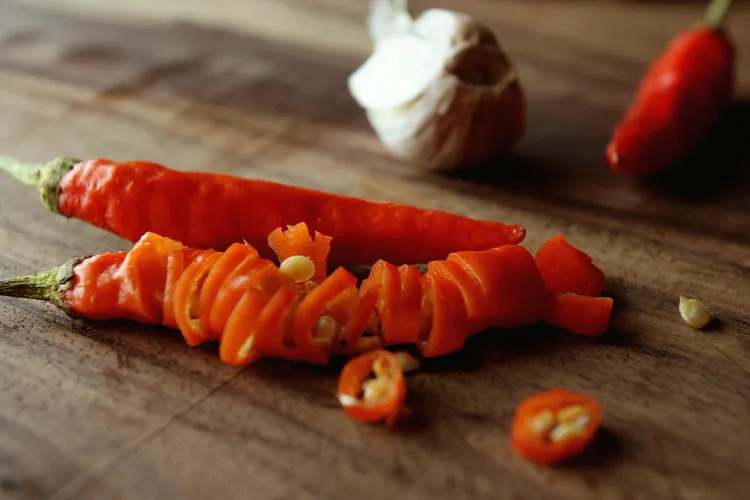
Aji amarillo (Capsicum baccatum var. pendulum) is native to South America and has been cultivated in Peru for thousands of years - evidence of its cultivation dates to pre-Inca civilisations. The chili is long (10-15cm), ripens from green to a vivid orange-yellow, and has a heat level of approximately 30,000-50,000 Scoville units - similar to cayenne, meaningfully hot but not extreme.
The flavour: This is where aji amarillo separates itself from any other moderately hot chili. Its flavour has a specific, unmistakable fruitiness - tropical, slightly reminiscent of mango and passion fruit, with a depth that no other chili variety shares. The heat arrives cleanly and builds steadily; the fruitiness follows immediately and lingers. The combination of tropical fruit flavour with clean heat is what makes aji amarillo irreplaceable rather than just another chili.
The colour: Vivid orange-yellow, intensely pigmented. Dishes made with aji amarillo are immediately identifiable by their golden hue - causa (the layered potato dish), huancaína sauce, aji amarillo pasta. The colour is not just visual; the carotenoid pigments that produce it also contribute to the flavour.
The Forms: What to Buy
Aji amarillo paste (in jars): The most practical form for home cooks outside Peru. Smooth, intensely coloured, ready to use. Available at Latin grocery stores, online (Amazon, Peruvian food retailers), and increasingly at specialty food shops. This is the form used in most applications below.
Dried aji amarillo: Whole dried chilies - intensely concentrated, used in braised preparations and stocks. Rehydrate in hot water before using. Available at Latin grocery stores.
Fresh aji amarillo: Rarely available outside Peru and Latin America. If found, use in the same quantities as the paste (adjust by taste). The fresh chili has a slightly brighter, less concentrated flavour than the paste.
Frozen aji amarillo: Available at some Latin grocery stores. Closer to fresh in flavour than the paste; use in the same way as fresh.
Storage of the paste: Once opened, aji amarillo paste keeps refrigerated for 3-4 months. Freeze in ice cube trays for longer storage (up to 6 months).
Heat Level and Substitution
Heat: Moderately hot - 30,000-50,000 Scoville. Warmer than a jalapeño (2,500-8,000), similar to cayenne (30,000-50,000), significantly cooler than habanero (100,000-350,000).
Can it be substituted? The honest answer: for the heat alone, cayenne or a mild chili powder approximates the heat level. For the flavour - the fruity, tropical, golden character - no other chili provides it. Recipes where aji amarillo is a primary flavour (aji amarillo sauce, ceviche leche de tigre, huancaína) produce a different result with any substitute. Recipes where it is a background heat element (marinades, soups) tolerate substitution better.
10 Applications
1. Classic Aji Amarillo Sauce (Salsa de Aji Amarillo)
The foundational Peruvian sauce - used as a condiment, a dipping sauce, and a component of dozens of other preparations. Understanding this sauce is the entry point to Peruvian cooking.
Classic aji amarillo sauce:
- 3 tbsp aji amarillo paste
- 1 clove garlic
- 1 tbsp neutral oil
- 2 tbsp evaporated milk (or full-fat coconut cream for a vegan version)
- Salt and black pepper
Blend all ingredients until completely smooth. Taste - it should be fruity, moderately hot, slightly creamy, and deeply golden.
Use as: A dipping sauce alongside anticuchos (see the Street Food collection's Peruvian Anticuchos post), a sauce for grilled chicken or fish, a condiment for papa a la huancaína, a spread in sandwiches. This sauce keeps refrigerated for 1 week.
2. Leche de Tigre (Ceviche Tiger's Milk)
Leche de tigre - "tiger's milk" - is the curing marinade for Peruvian ceviche: lime juice, aji amarillo, garlic, onion, and fresh fish stock, blended and used to "cook" the fish through acid denaturation. Aji amarillo provides the fruity heat that distinguishes Peruvian ceviche from any other lime-cured fish preparation in the world.
Simple leche de tigre:
- Juice of 8 limes (approximately 150ml)
- 1 tbsp aji amarillo paste
- 1 small clove garlic
- ½ small red onion
- 30g fresh fish (sea bass, halibut) or use the trim from the fish being cured
- Small piece of fresh ginger
- Salt
- Fresh coriander stems
Blend until smooth. Strain through a fine-mesh sieve. The resulting liquid should be cloudy, sharp, fruity, and hot - the most intensely flavoured liquid in this collection.
Use immediately to marinate diced white fish (sea bass, halibut, sole) cut into 1cm cubes - 10-15 minutes at room temperature produces a cured but still fresh-textured result. Serve with sliced red onion, choclo (large corn), and sweet potato.
3. Papa a la Huancaína (Potato in Aji Amarillo Cheese Sauce)
The Peruvian potato dish that best demonstrates aji amarillo's ability to carry a sauce entirely on its own. Huancaína sauce is aji amarillo, queso fresco (or ricotta), evaporated milk, and crackers blended into a thick, golden sauce poured over boiled potatoes.
Huancaína sauce:
- 3 tbsp aji amarillo paste
- 200g queso fresco or ricotta
- 100ml evaporated milk
- 4 crackers (Ritz-style - they add body)
- 1 clove garlic
- Salt
Blend until completely smooth and golden. Adjust consistency with more milk if too thick.
Serve: Pour over thickly sliced boiled potatoes. Garnish with black olives, hard-boiled egg, and fresh lettuce.
4. Causa Rellena (Peruvian Potato Terrine)
Causa is a cold Peruvian dish - layers of mashed potato seasoned with aji amarillo and lime, alternating with a filling (traditionally tuna or chicken salad, or avocado for a vegetarian version). The aji amarillo in the mashed potato is what makes causa specifically Peruvian rather than a layered potato dish.
Aji amarillo mashed potato for causa: Mash 1kg of boiled yellow potatoes while hot. Mix in 3 tbsp aji amarillo paste + juice of 2 limes + 2 tbsp neutral oil + salt. The potato should be vivid golden, smooth, and moderately spiced.
5. Pollo a la Brasa Marinade
Peru's famous rotisserie chicken - pollo a la brasa - is defined by its marinade: aji amarillo, aji panca, garlic, cumin, soy sauce, and lime. The aji amarillo provides the fruity, golden heat in the marinade; the aji panca provides the smokier, deeper red element.
Simplified pollo a la brasa marinade (for 1 chicken):
- 2 tbsp aji amarillo paste
- 1 tbsp aji panca paste (or substitute 1 tsp smoked paprika + ½ tsp dried chili)
- 4 cloves garlic (minced)
- 2 tbsp soy sauce
- 1 tbsp cumin (ground)
- 1 tbsp vinegar
- 1 tsp black pepper
- Juice of 1 lime
Marinate the spatchcocked chicken overnight. Roast at 200°C (fan) for 45-55 minutes, or cook on a rotisserie.
6. Aji Amarillo Pasta
A cross-cultural application that Peruvian-Italian fusion cooking has already established - and one that works surprisingly naturally. The fruity, golden heat of aji amarillo in a cream pasta sauce adds a warmth and complexity that is immediately interesting without being specifically Peruvian in character.
Aji amarillo cream pasta:
- Sauté 1 shallot and 2 garlic cloves in olive oil
- Add 2 tbsp aji amarillo paste; cook for 1 minute
- Add 200ml double cream (or cashew cream); simmer 3 minutes
- Season with salt and lemon juice
- Toss with 350g cooked pasta (pappardelle or tagliatelle work best)
- Finish with Parmesan and fresh coriander
The golden sauce over wide pasta ribbons is visually striking and flavoured in a way that no conventional pasta sauce produces.
7. Aji Amarillo Butter
The compound butter principle applied to Peru's most important chili. Combine 2 tbsp aji amarillo paste with 100g softened unsalted butter. Beat until smooth.
Use on: Grilled corn (connects directly to Peruvian choclo culture), grilled sea bass or salmon, roasted sweet potato, chicken immediately after grilling.
8. Aji Amarillo Vinaigrette
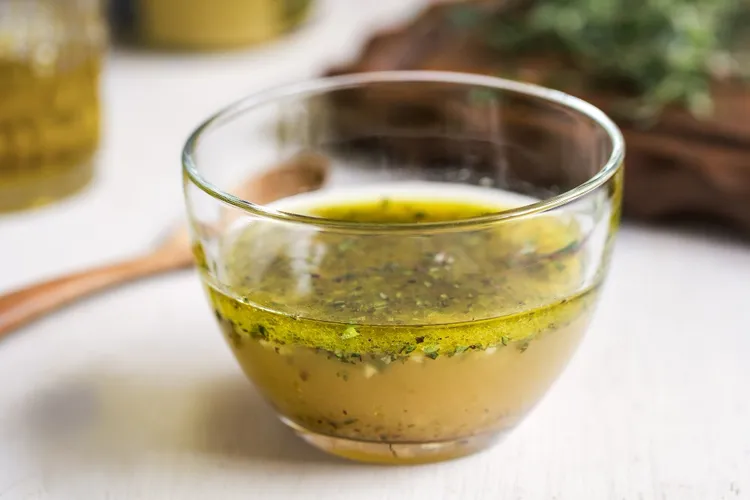
2 tsp aji amarillo paste + 3 tbsp olive oil + 2 tbsp lime juice + 1 tsp honey + salt. Whisk until emulsified. The dressing is fruity, moderately hot, bright from the lime, and a vivid golden colour.
Use on: Avocado salads, corn and black bean salads, grilled fish salads, any salad that benefits from a South American flavour direction.
9. Peruvian Anticucho Marinade
Anticuchos - Peruvian grilled beef heart skewers - are marinated in a combination of aji amarillo and aji panca (or smoked paprika). The complete recipe is in the Street Food collection's Anticuchos post. For the simplified version:
Combine 2 tbsp aji amarillo paste + 1 tbsp aji panca paste (or smoked paprika) + 2 tbsp red wine vinegar + 2 cloves garlic + 1 tsp cumin. Marinate sliced beef heart (or chicken thighs, or portobello mushroom for a plant-based version) for 4-12 hours. Grill over very high heat.
10. Aji Amarillo in Scrambled Eggs or Shakshuka
½ tsp of aji amarillo paste stirred into scrambled eggs before cooking - or into the tomato base of a shakshuka - adds a fruity, golden heat that is specifically interesting rather than generically spicy. The tropical fruitiness of the chili is particularly effective against the richness of eggs.
The Peruvian Pantry: The Three Aji Trio
Peruvian cooking uses three chilies with different roles:
| Chili | Form | Colour | Flavour | Use |
|---|---|---|---|---|
| Aji amarillo | Fresh, paste, dried | Golden-orange | Fruity, tropical, moderate heat | Sauces, marinades, ceviche, causa |
| Aji panca | Paste, dried | Deep burgundy-red | Smoky, dried fruit, mild heat | Marinades, anticuchos, stews |
| Rocoto | Paste, fresh | Red | Intensely hot, slightly sweet | Rocoto relleno, hot sauces |
Aji panca paste is the natural partner to aji amarillo - together they appear in pollo a la brasa and anticuchos, where the amarillo provides the fruity heat and the panca provides the smoky depth. Both are worth having.
Pro Tips
- Start with 1 tbsp of paste and taste before adding more. Aji amarillo paste varies in heat intensity by brand. Calibrate to your brand before adding the full recipe quantity.
- The paste freezes in ice cubes. Open a new jar, distribute the paste into an ice cube tray, freeze, and store in a sealed bag. Each cube is approximately 1 tbsp. Use directly from frozen in hot dishes.
- The fruity character needs time to develop. In marinades and cooked sauces, aji amarillo's tropical fruitiness develops and integrates during cooking. In raw applications (ceviche), it is immediately present.
- Pair with lime, not lemon. Aji amarillo and lime are natural partners in Peruvian cooking - the lime's acidity and slight bitterness complement the chili's fruitiness. Lemon is sharper and less harmonious with the tropical flavour.
Common Mistake: Using Cayenne as a Direct Substitute Cayenne provides the heat level of aji amarillo but none of its defining flavour - the tropical fruitiness, the golden colour, the specific character that makes a Peruvian dish taste Peruvian. For applications where aji amarillo is a primary flavour (aji amarillo sauce, leche de tigre, causa), cayenne produces a hot yellow sauce rather than the deeply fruity, complex preparation the recipe intends. Use aji amarillo paste, available online and at Latin grocery stores. It keeps for months frozen and is not expensive.
FAQ
Q: How hot is aji amarillo?
Moderately hot - 30,000-50,000 Scoville units. Noticeably hotter than jalapeño (2,500–8,000) and similar to cayenne. Most people with moderate chili tolerance find it comfortably warm in the quantities used in Peruvian cooking. For those sensitive to heat: the paste can be used in smaller quantities without losing the fruity character.
Q: Where do I buy aji amarillo paste?
Latin grocery stores (Mexican, Peruvian, Colombian) are the most reliable in-person source in the UK and US. Many UK supermarkets with international sections now stock it (Waitrose, Whole Foods). Online: Amazon, specialist Latin food retailers, Peruvian food importers.
Q: Can I use aji amarillo in non-Peruvian cooking?
Absolutely - the applications above (pasta, compound butter, vinaigrette, scrambled eggs) demonstrate that aji amarillo's fruity heat is versatile across cuisine boundaries. The Peruvian-Italian pasta fusion already has a following internationally. Think of aji amarillo as a tropical, fruity, moderately hot chili that happens to come from Peru - its flavour properties are applicable to any context where those properties are wanted.
🔗 Related Ingredient Deep Dives
- Chipotle Peppers in Adobo: The Tin That Changes Everything
- Tamarind: The Sour Backbone of Indian and Southeast Asian Cooking
- Fish Sauce: The Fermented Condiment That Makes Everything Savourier
- From the Street Food collection: Peruvian Anticuchos: The Street Skewers of Lima
- World Cuisines in Your Pantry: The Ingredient Deep Dives
Latest