Brown Butter Sage Compound Butter
A compound butter recipe that browns the butter first for a deeper, nuttier flavor, finished with crispy fresh sage.
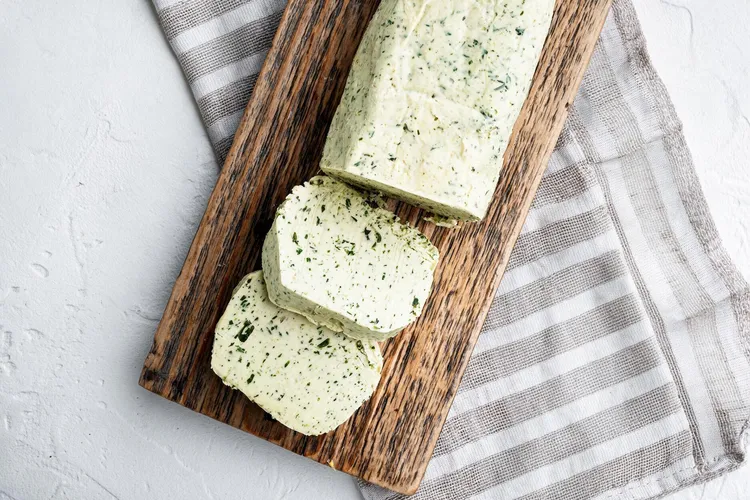
This is the one compound butter in this series that changes the base method itself - browning the butter first, then re-solidifying it with sage mixed in, for a nutty depth that plain softened butter simply can't replicate.
Brown Butter Sage Compound Butter
Prep time: 10 minutes, plus cooling and chilling | Cook time: 8 minutes | Makes: about 1 cup
Ingredients
- 1 cup (2 sticks) unsalted butter
- 10 fresh sage leaves, finely chopped, divided
- 1/2 tsp salt, or to taste
- Pinch of black pepper
Instructions
- Cut the butter into chunks and melt it in a light-colored saucepan over medium heat. Once melted, it will foam as the water content cooks off.
- Continue cooking, swirling occasionally, until the milk solids at the bottom of the pan turn golden brown and the butter smells nutty, about 5 to 7 minutes. Watch closely in the final minute, since it can go from browned to burnt quickly.
- Remove from heat immediately once browned and stir in half the chopped sage - the residual heat will lightly crisp it.
- Pour the browned butter into a heatproof bowl and refrigerate until it's firm enough to mash but not fully hard, about 45 minutes to 1 hour, checking periodically.
- Once firm enough to work with, mash the browned butter with a fork, mixing in the remaining fresh sage, salt, and pepper until evenly combined.
- Spoon onto parchment paper or plastic wrap and roll into a log, twisting the ends to seal.
- Refrigerate for at least 1 hour more before slicing, or freeze for longer storage.
Notes
Because browned butter separates slightly as it cools (the toasted milk solids can settle unevenly), a thorough final mash once it's firmed up is important for an evenly textured result.
Why Browning the Butter First Matters
Regular softened butter has a mild, creamy flavor; browned butter develops a genuinely different, nutty, almost caramelized character as the milk solids toast in the hot fat. Building a compound butter on top of that already-developed flavor, rather than plain butter, gives this version a depth the others in this series don't have, at the cost of some extra steps and a longer chilling process.
What to Use It On
- Tossed with pasta, particularly ravioli or gnocchi
- Melted over roasted butternut squash or other winter squash
- Melted over pan-seared chicken or pork
- Spread on cornbread or biscuits for a more savory version
Variations
- Add nuts: A tablespoon of finely chopped toasted walnuts or pecans reinforces the nutty character of the browned butter.
- Add Parmesan: A tablespoon of finely grated Parmesan adds a savory, umami boost, especially good with pasta.
- Rosemary instead of sage: A similar effect can be achieved with finely chopped rosemary in place of sage, though sage's flavor is more traditionally associated with browned butter specifically.
This is the most technique-driven butter in this whole series, worth trying once you're comfortable with the basic method. For more, see the complete compound butter guide.
Latest









