Compound Butter: One Base Technique, Endless Flavors
A complete guide to compound butter - the base technique, a full range of savory and sweet flavor variations, and how to store a batch for easy use anytime.
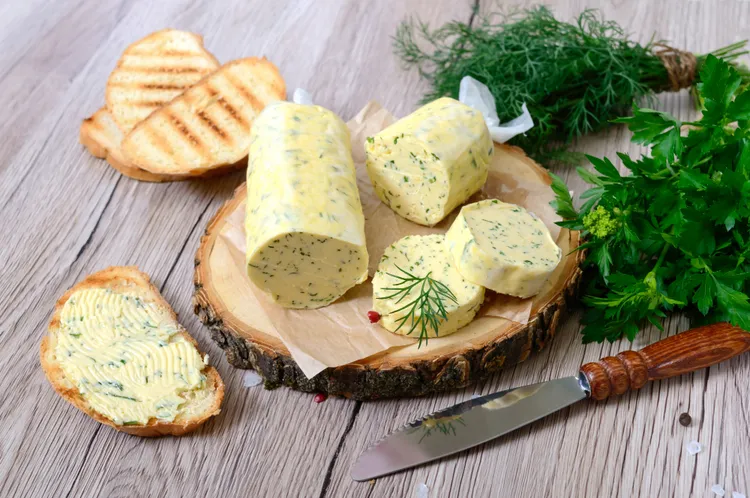
Compound butter is one of the best returns on effort available in a home kitchen - a few minutes of mixing turns plain butter into a flavor-packed finishing ingredient that can carry a steak, transform a piece of toast, or rescue a plain bowl of vegetables, all from a batch made well ahead of time and pulled from the freezer as needed.
What Compound Butter Actually Is
Compound butter is simply softened butter mixed with additional flavorings - herbs, spices, aromatics, citrus, cheese, or sweeteners - then chilled or frozen into a log or block for later use. The format is old and genuinely simple, but its usefulness comes from how flexible the base technique is: once you understand the basic method, building your own flavor combinations becomes far more intuitive than following a specific recipe every time.
Our base technique guide covers the core method - ratios, mixing, rolling into a log, and the general do's and don'ts that apply no matter which flavor direction you're taking it.
The Classic Starting Point
If you've never made compound butter before, garlic herb compound butter is the right place to start - it's the most common steakhouse-style version, built on a foundation of garlic and mixed fresh herbs that works well on almost anything. Once that version feels familiar, branching out into other flavor directions is mostly a matter of confidence rather than new technique.
Herb-Forward Versions Elsewhere on This Site
Two of the best herb-forward compound butters already live within their own dedicated herb guides rather than here: tarragon compound butter, with its distinct anise-sweet character, and fennel frond compound butter, a good way to preserve a batch of fronds that would otherwise wilt within days. Both are worth trying alongside the flavors covered here if you're building out a small rotation of frozen compound butter logs.
Savory Variations
Beyond the classic garlic herb version, there's a wide range of savory compound butters worth knowing. Rosemary garlic compound butter leans into rosemary's bold, piney character specifically - a natural pairing if you've already spent time cooking with rosemary elsewhere in the kitchen. Blue cheese and chive compound butter pushes further into steakhouse territory with a bold, funky richness that holds its own against a thick cut of beef.
For something less traditional, miso compound butter brings a deep umami note that works surprisingly well well beyond Japanese cooking specifically - it's one of the more versatile savory options once you get past the initial unfamiliarity of the ingredient. Maple bacon compound butter takes the format toward breakfast, built for pancakes, biscuits, or cornbread rather than a dinner plate. A citrus and herb version is the lightest, brightest option in this range, particularly suited to fish and other delicate proteins that a heavier butter might overwhelm. And chili lime compound butter is built specifically with grilling season in mind, bringing heat and brightness to corn, grilled meat, or shrimp straight off the grill.
One variation changes the base method itself rather than just the mix-ins: brown butter sage compound butter starts by browning the butter before it's re-solidified and mixed with sage, adding a nutty depth that plain softened butter can't replicate on its own.
For something more novelty-driven but genuinely tasty, everything bagel compound butter takes the popular seasoning blend and turns it into a spreadable butter, less a serious technique showcase and more a fun, shareable version worth having in the rotation.
Sweet Variations
Compound butter isn't limited to savory applications. Honey cinnamon compound butter is built for the breakfast table - toast, pancakes, waffles, biscuits - anywhere a simple, warm sweetness improves the experience. Vanilla bean compound butter takes the format in a slightly different direction, built more for baking applications (finishing warm baked goods, or worked into a recipe in place of plain butter) than for direct spreading.
How to Store a Batch
Compound butter's biggest practical advantage is how well it freezes - a batch made once can realistically last a month or more in the freezer, sliced into individual portions as needed. Our storage guide covers exactly how to portion, wrap, and freeze a batch so it's ready to grab without any extra prep each time you want to use it.
Building Your Own Combinations
Once you understand the base ratio and technique, the real value of compound butter is in building your own flavor combinations rather than only following fixed recipes. Our flavor pairing guide lays out a framework for combining a fat base with herbs, aromatics, acid, and a flavor anchor (savory or sweet) so you can improvise with whatever's already in your fridge or pantry.
Common Mistakes to Avoid
The most common mistake is starting with cold butter rather than fully softened butter - cold butter doesn't incorporate mix-ins evenly, leaving pockets of plain butter and clumps of herbs or seasoning rather than a consistent mixture throughout. Letting butter come fully to room temperature before starting (or using a stand mixer or hand mixer to speed the process along) solves this easily.
The second common mistake is over-salting a savory compound butter, particularly if using salted butter as the base and then adding more salt on top of already-salty mix-ins like cheese or bacon. Taste as you build, and lean toward under-salting slightly, since compound butter is often melted over an already-seasoned dish rather than used as the sole seasoning.
A third mistake, more relevant to sweeter versions, is adding too much liquid (honey, maple syrup, extracts) relative to the butter, which can prevent the mixture from firming up properly once chilled. If a sweet compound butter seems too soft even after adequate chilling, it's often a sign of too much liquid relative to fat in the mix.
Why This Format Is Worth Learning Properly
Compound butter earns its place as a genuine kitchen staple because it front-loads all the effort - the mixing, tasting, and adjusting happen once, in a calm moment, rather than in the middle of cooking a meal. Once a batch is made and frozen, using it is as simple as slicing off a round and dropping it onto whatever's already on the plate, which is exactly the kind of low-effort, high-payoff move that makes weeknight cooking feel more considered without actually adding much work at the time it matters.
A Brief History
Compound butter, sometimes called by its French name beurre composé, has deep roots in classical French cooking, where herb and shallot butters were a standard way to finish grilled and roasted meats long before the format found its way into casual home cooking. Beurre maître d'hôtel - a simple parsley, lemon, and shallot butter - is one of the oldest and most enduring versions, essentially the direct ancestor of the garlic herb butter that opens this guide. The format has since expanded well past its French origins into a genuinely global technique, showing up anywhere a culture builds flavored fats into its cooking, from miso butter's roots in Japanese flavor pairings to the American steakhouse tradition of a bold, punchy finishing butter melting over a hot cut of beef.
Why the Format Scales So Well From Fancy to Casual
Part of what makes compound butter worth learning properly is how easily it moves between contexts - the same basic garlic herb butter that elevates a simple weeknight steak is also entirely at home finishing a more involved dinner party dish. Unlike a sauce that needs to be made fresh and used immediately, a frozen log of compound butter sitting in the freezer works just as well for an ordinary Tuesday as it does for a planned, more ambitious meal, which is a big part of its lasting appeal as a kitchen staple rather than a special-occasion technique.
A Note on Ingredient Quality
Because compound butter is built on so few ingredients, the quality of each one matters more than it would in a dish with a longer ingredient list to hide behind. A good European-style butter, with a slightly higher fat content than standard American butter, makes a genuinely noticeable difference in the final texture and richness. Fresh herbs, rather than dried, are worth the extra effort in nearly every savory version in this guide - dried herbs tend to taste dusty and muted once mixed into cold butter rather than cooked into a dish, where heat helps rehydrate and release their flavor.
Latest









