What to Pair Compound Butter With: A Flavor Combination Guide
A framework for building your own compound butter flavor combinations, breaking down flavor anchors, supporting ingredients, and balance.
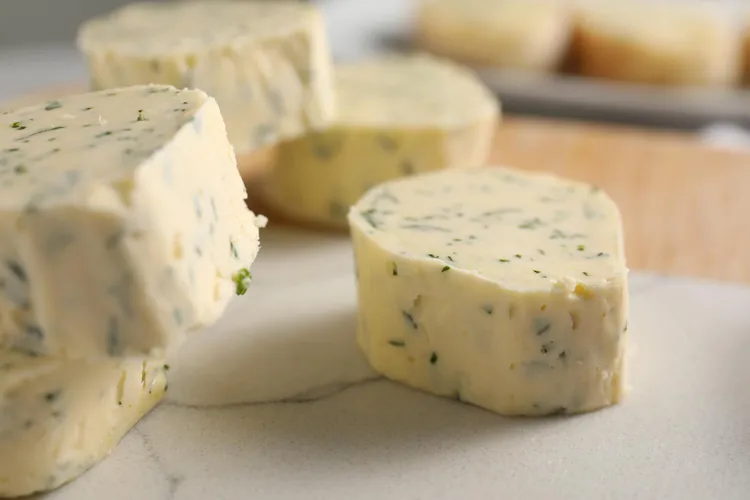
Once the base technique feels comfortable, the real value of compound butter is building your own flavor combinations rather than only following fixed recipes. This guide lays out a simple framework for doing that with whatever's already in your fridge or pantry.
The Basic Framework
Nearly every compound butter in this series follows the same underlying structure: a fat base (butter, sometimes browned first), a flavor anchor (the dominant taste - garlic, cheese, citrus, a sweetener), supporting flavors (herbs, spices, aromatics that round things out), and a seasoning adjustment (salt, and occasionally a touch of acid) to balance the whole thing. Once you can identify these four pieces in an existing recipe, building a new combination becomes a matter of substitution rather than invention from scratch.
Savory Flavor Anchors
- Garlic: The most common anchor, pairs with almost any herb or spice direction.
- Cheese (blue cheese, Parmesan, feta): Adds richness and saltiness; needs less added salt as a result.
- Umami pastes (miso, anchovy, sun-dried tomato): Small amounts go a long way; excellent with mild proteins and vegetables.
- Smoked or cured meats (bacon, prosciutto): Adds saltiness and a smoky depth; pairs well with a touch of sweetness.
- Chili and spice blends: Bring heat and warmth; pair naturally with citrus for balance.
Sweet Flavor Anchors
- Honey or maple syrup: The most common sweet anchor; use in moderation to avoid preventing the butter from firming up.
- Vanilla: A more subtle anchor, often paired with a small amount of sugar for balance.
- Brown sugar: Adds a deeper, more caramel-forward sweetness than plain sugar.
Supporting Flavors
- Fresh herbs: Parsley, chives, dill, tarragon, sage, and rosemary all work, though stronger herbs (rosemary, sage) need a finer chop and smaller quantity than milder ones.
- Citrus zest: Adds brightness without extra liquid; a natural partner for both savory and some sweet combinations.
- Warm spices: Cinnamon, nutmeg, and cardamom work well in sweet versions; cumin, smoked paprika, and chili powder work well in savory ones.
- Aromatics: Shallot, ginger, and green onion all add a fresh, sharp note in smaller quantities than garlic typically needs.
Balancing the Mixture
A useful check before rolling a batch into its final log: taste a small amount at room temperature (flavor is muted when butter is cold) and ask whether any single ingredient is dominating unpleasantly, whether it needs more salt or acid to feel balanced, and whether the texture looks like it will firm up properly once chilled. Adjusting at this stage is far easier than after the butter has already been rolled and frozen.
A Few Combinations to Try Building Yourself
- Sun-dried tomato, basil, and Parmesan
- Roasted garlic, thyme, and a touch of lemon
- Curry powder, cilantro, and lime
- Espresso powder, brown sugar, and a pinch of cinnamon (for coffee cake or pancakes)
- Horseradish, chive, and black pepper (excellent with roast beef)
When to Stick With a Tested Recipe Instead
Improvising works well once you're comfortable with ratios and have a sense of how strong different ingredients are, but if you're making a batch for a specific occasion where you can't afford a misstep, working from one of the tested recipes throughout this guide remains the safer choice.
For the full list of tested compound butter recipes, head back to the complete compound butter guide.
Latest









