Cottage Cheese High-Protein Recipes: 7 Ways to Use It
Cottage cheese is one of the most underused high-protein foods - 11g protein per 100g, cheap, mild enough to integrate into almost anything, and with a casein profile that keeps you full longer than most dairy proteins.
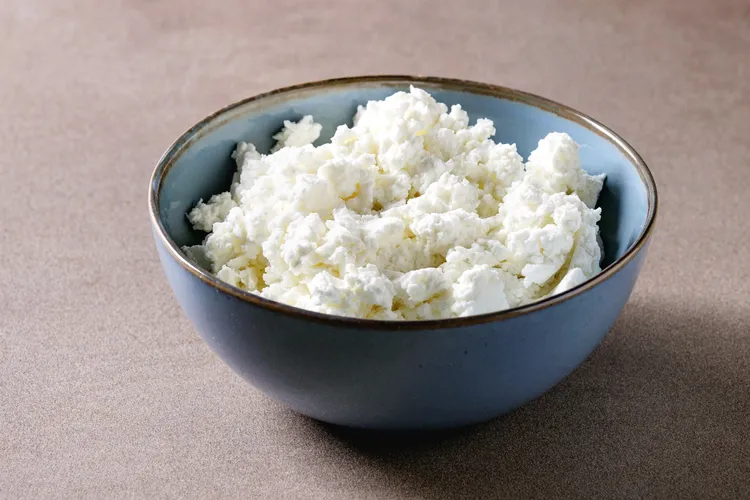
Cottage cheese spent years in the shadow of Greek yogurt - positioned as the bland, old-fashioned alternative. The macros tell a different story. Low-fat cottage cheese delivers ~11g protein per 100g at ~85 kcal - slightly lower protein than non-fat Greek yogurt per gram, but also lower calories, making the protein-per-calorie efficiency nearly identical. The real difference is in the protein type and in how the flavour integrates into cooking.
Greek yogurt is whey-dominant - fast-digesting, good for post-workout and morning use. Cottage cheese is casein-dominant - slower to digest, more filling per calorie over time, and better suited to evening meals and pre-sleep protein doses. Most people who eat both eat more protein overall than people who rely on one alone. These seven builds show where cottage cheese specifically outperforms other protein sources.
1. The Scrambled Egg Upgrade (~32g protein, 290 kcal)
Stir 100-150g of low-fat cottage cheese into 3 beaten eggs just before the eggs fully set in the pan. The cottage cheese melts into the eggs over the residual heat - the curds disappear and the result is noticeably creamier and denser in texture than plain scrambled eggs. Most people can't identify the cottage cheese when eating. The protein jumps from ~18g (3 eggs alone) to ~30-32g without adding meaningful fat or calories.
Season with whatever you'd normally put on scrambled eggs - hot sauce, fresh herbs, salt and pepper. Add diced spring onion or cherry tomatoes for texture. The egg and cottage cheese omelet is the more structured version of this approach, useful when you want a slightly more composed breakfast rather than a fast scramble.
Best for: Breakfast protein anchor. Takes 8-10 minutes.
2. The Zero-Cook Protein Bowl (~35–40g protein, 280 kcal)
200g low-fat cottage cheese as the bowl base, topped with 80-100g smoked salmon, fresh dill, a squeeze of lemon, and optionally some capers and sliced cucumber. Zero cooking - this takes 2 minutes to assemble. The smoked salmon and cottage cheese bowl is the exact recipe, and it works for breakfast, lunch, or a fast dinner when cooking isn't an option.
The combination of smoked salmon and cottage cheese is genuinely good. The creaminess of the cottage cheese works with the richness of the salmon in a way that Greek yogurt doesn't - the tang of yogurt competes with salmon flavour, while the mild dairy note of cottage cheese supports it.
Best for: Zero-prep breakfast or lunch. Add rye crackers or sourdough for more substance.
3. High-Protein Pasta Sauce (~22g protein from sauce, adds ~400 kcal total meal)
Blend 200g of low-fat cottage cheese with 1 roasted garlic clove, juice of half a lemon, a handful of fresh basil (or 1 tsp dried), salt, and black pepper until completely smooth. This produces a creamy white sauce that works over pasta, gnocchi, or roasted vegetables. Toss with 80g dry pasta (cooked) and a large handful of wilted spinach.
The cottage cheese sauce is entirely stable (unlike Greek yogurt, which splits at high temperatures), adds 22g protein at 170 kcal to the dish, and has a flavour that most people describe as "creamy and slightly tangy" without identifying the source. Add a scoop of the pasta water to loosen the sauce if needed - it emulsifies smoothly.
Best for: Adding substantial protein to a pasta meal without changing the cooking approach.
4. Grain Bowl Protein Topping (~17g protein, 130 kcal addition)
A 150g scoop of cottage cheese placed directly on a grain bowl - rice or quinoa base with roasted vegetables and a protein source - adds 17g protein at 130 kcal. More efficient than most dressings, sauces, or toppings. Season the cottage cheese scoop with smoked paprika, chilli flakes, or za'atar to add flavour contrast.
This works alongside the chicken and rice build from the lunch meal prep guide - a 200g chicken breast over rice is ~50g protein; adding a cottage cheese scoop pushes it to ~67g at under 650 kcal total. Useful on days when the protein target is harder to hit.
Best for: Boosting protein on an existing meal without altering the base recipe.
5. High-Protein Overnight Oats Base (~11g protein added per 100g used)
Blend 100g of cottage cheese smooth and use it as part of the liquid base for overnight oats, replacing an equivalent amount of milk. The blended cottage cheese thickens the oats, adds protein, and slows digestion - the oats stay more stable in texture overnight and the meal sits heavier than milk-based oats.
The base blueberry chia overnight oatmeal recipe works well with this modification. Substitute 100g blended cottage cheese for the same volume of the liquid called for. The flavour difference is barely detectable - the blueberries and chia carry the taste, and the cottage cheese adds creaminess that reads as more milk rather than as a distinct ingredient.
Best for: Increasing protein in overnight oats without adding protein powder.
6. Savoury Toast Spread (~19g protein, 350 kcal)
150g cottage cheese spread thickly on 2 slices of sourdough or rye bread. Top with halved cherry tomatoes, a drizzle of good olive oil, flaky salt, and fresh basil. Optional additions: a fried egg on top (adds 6g more protein), sliced avocado, smoked paprika.
This is a protein-dense alternative to avocado toast. Where avocado toast delivers ~5–8g protein, the cottage cheese version delivers ~22g at comparable or lower calories depending on bread choice. It's also faster - cottage cheese doesn't require mashing or seasoning the way avocado does.
Best for: A fast high-protein lunch or light dinner. Takes 3 minutes.
7. Pre-Sleep Casein Protein Dose (~22g protein, 180 kcal)
200g of low-fat cottage cheese eaten 30-60 minutes before bed provides ~22g of casein protein that digests slowly over 5-7 hours. Multiple studies have shown that pre-sleep protein intake - particularly casein - supports overnight muscle protein synthesis compared to placebo at equivalent calories, with no disruption to sleep quality at the doses used (30-40g protein).
This is the most evidence-backed application of cottage cheese specifically as opposed to other protein sources. Greek yogurt (whey-dominant) digests too quickly to maintain overnight amino acid availability. Protein powder casein products exist for this purpose but are significantly more expensive per gram than cottage cheese at retail prices.
Add cinnamon and a small handful of berries to make it more palatable as a sweet evening snack. Or eat it savoury with cucumber and black pepper if you prefer that direction.
Best for: Evening protein, supporting overnight muscle recovery, reducing next-morning hunger.
Choosing the Right Type
Low-fat (1-2% fat) cottage cheese gives the best protein-to-calorie ratio and is the default for all seven builds above. Full-fat has better flavour but cuts protein efficiency significantly - use it in builds where texture matters more (the savoury toast spread, for example) and you want richer flavour. Large-curd vs small-curd is purely a texture preference - macros are identical. For people who dislike the curd texture, blend smooth before using - it produces a Greek yogurt-like consistency that works in every build above.
For a direct comparison with Greek yogurt on macros, cost, protein type, and practical use cases, see Greek yogurt vs cottage cheese. For the full protein-first framework, see the protein-first cooking method guide.
The Texture Problem: Solving It Permanently
The most common reason people don't use cottage cheese is texture. Large-curd eaten straight is the worst-case version - most people who try it this way and dislike it haven't tried blending it smooth. Blend 200g of cottage cheese in a standard blender or with an immersion blender for 30-40 seconds. The result is smooth, thick, and neutral-flavoured - usable as a direct Greek yogurt substitute in virtually every application. The texture objection, solved.
For people who specifically dislike the tangy dairy flavour of Greek yogurt, cottage cheese's milder taste is an advantage. In savoury applications - egg builds, pasta sauces, fish pairings - the mild flavour integrates without competing. In sweet applications, add a drop of vanilla extract and cinnamon to make it genuinely palatable as a dessert-style snack.
Lactose and Dairy Sensitivity
Cottage cheese is relatively low in lactose - most is removed with the whey during processing. People with mild lactose intolerance typically tolerate cottage cheese well, particularly the low-fat variety. If you've avoided dairy proteins due to sensitivity, cottage cheese is worth testing before assuming it will cause problems. Severe lactase deficiency will react to any dairy regardless of processing. For the full protein-first framework, see the protein-first cooking method guide.
Integrating Cottage Cheese Into an Existing Routine
The easiest entry point for cottage cheese if you don't currently use it: the scrambled egg build (use 1). The cottage cheese disappears into the eggs - you don't taste it as a distinct ingredient - but the protein and creaminess improvement is immediately noticeable. Run that for a week. Then try the pre-sleep snack (use 7) - 200g with cinnamon and berries, eaten 30 minutes before bed. These two uses alone add 35-44g daily protein from a single food at very low cost and minimal preparation. The other five builds expand the range from there. For the full protein-first daily framework, see the protein-first cooking method guide.
Latest