Why You Hate Cooking (And How to Fix It)
Most people who hate cooking don't hate cooking itself - they hate the friction around it. Here's what's actually getting in the way, and how to remove it.
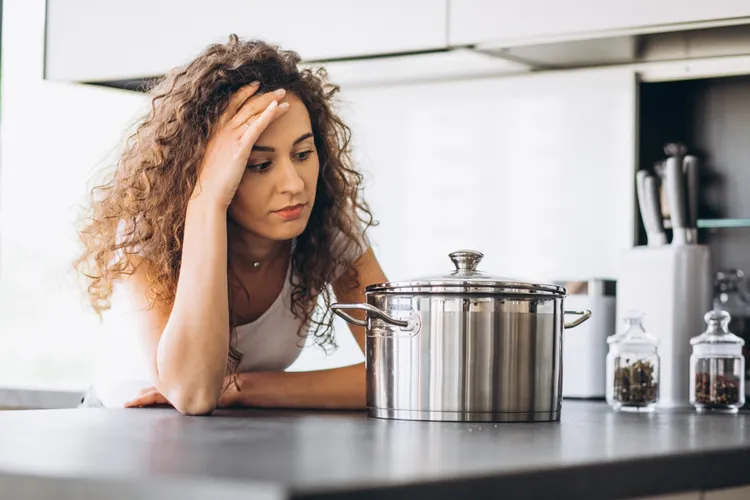
Studies consistently show that cooking at home saves money, improves nutrition, and reduces calorie intake. You already know that. The problem isn't information - it's that cooking feels like a chore, a skill you don't have, or a time sink you can't afford. This guide breaks down the real reasons people avoid the kitchen and gives you a concrete fix for each one.
You Don't Have Time (Or Think You Don't)
The average home-cooked dinner takes 30-60 minutes start to finish. That's real time - but it's also a learnable skill to cut it down. Batch cooking one protein and one grain on Sunday can cut weeknight cooking to under 15 minutes. The fix isn't faster recipes. It's a system. See what actually works when you have no time to cook for a practical breakdown.
You Feel Like a Bad Cook
Most people who describe themselves as "bad cooks" are missing 3-4 specific techniques: how to season properly, how to manage heat, how to know when something is done. These aren't talent - they're a few hours of practice. The gap between a bad cook and a competent one is smaller than it looks. The real reason you're bad at cooking explains exactly where the gaps usually are.
You Dread the Decision
"What do I make tonight?" is a question that can derail the whole thing before you've touched a pan. Decision fatigue is real - by evening, most people have made hundreds of small choices and have little mental energy left for a new one. The fix is removing the decision entirely with a weekly rotation. How to stop dreading dinner every night walks through a simple system that works.
You're Exhausted
Cooking after a long day requires a different playbook than cooking when you have energy and time. The goal on a low-energy night isn't a good meal - it's a good-enough meal with minimal effort. Cooking when you're exhausted covers the specific meals and shortcuts that work when your brain is running on empty. Most take under 15 minutes and use one pan.
You Hate the Cleanup
The actual cooking is fine. It's the pile of dishes afterward that kills the motivation. One-pan cooking, clean-as-you-go habits, and smarter kitchen setup can cut cleanup by more than half. Why you hate cleaning up after cooking covers every practical angle.
Cooking Makes You Anxious
For some people the issue isn't time or skill - it's stress. The kitchen feels like a place where things go wrong: smoke alarms, ruined food, wasted money. That anxiety is common and fixable. Cooking anxiety is real, and there's a clear skill-building path out of it.
You're Cooking for One and It Feels Pointless
Cooking a full meal for yourself feels wasteful and lonely. Most recipes are written for four, which means math, waste, and leftover fatigue. Cooking for one is a genuine challenge - but there are specific strategies that make it worth doing.
Meal Prep Sounds Miserable
Spending six hours on Sunday cooking twelve identical containers of food is one approach. It's not the only one. A realistic beginner meal prep system can take 90 minutes and set you up for the whole week without burning you out.
Healthy Cooking Feels Complicated
Recipes with 20 ingredients, obscure substitutions, and precise timings create the impression that eating well requires culinary school. It doesn't. Why healthy cooking feels impossible breaks down the five simplest ways to make nutritious meals without the complexity.
You Think Budget Cooking Means Bad Food
Cheap ingredients don't have to mean boring food. Lentils, eggs, canned fish, and root vegetables are all inexpensive and cook well. Budget cooking doesn't have to be boring covers the specific ingredients, cost-per-serving numbers, and recipes that prove the point. Try the hearty leek, potato and lentil soup at around 180 kcal and well under $1 per serving.
Your Kitchen Works Against You
The wrong setup makes cooking harder than it needs to be. Missing a sharp knife, no cutting board space, a pantry with nothing that goes together - these are friction points that compound every time you try to cook. Stocking a kitchen that makes cooking easy covers the 10 tools and pantry staples that actually matter.
You've Never Actually Enjoyed It
Enjoyment in cooking comes after the friction is removed. Once you can move through a recipe without panic or confusion, it starts to feel different. How to actually enjoy cooking covers the shift that happens when the fundamentals click.
The Short Version
Pick the one reason on this list that resonates most and start there. Trying to fix everything at once is its own form of friction. One system change - a weekly rotation, a batch-cooking habit, a cleaner kitchen setup - is enough to break the pattern.
- No time to cook - what actually works
- Cooking for one - how to make it worth it
- Why you're bad at cooking (and how to fix it fast)
- How to stop dreading dinner every night
- Cooking when you're exhausted
- How to cut cleanup in half
- Cooking anxiety - how to get comfortable
- Meal prep without hating your life
- Why healthy cooking feels impossible
- Budget cooking doesn't have to be boring
- How to actually enjoy cooking
- Stocking a kitchen that makes cooking easy
Latest