Dairy-Free Dinners With Real Creaminess
Removing butter, cream, and cheese from cooking doesn't mean accepting flat, thin sauces. The right plant-based fats - cashew cream, full-fat coconut milk, good olive oil - produce genuine richness, and knowing which one to use where is the whole skill.
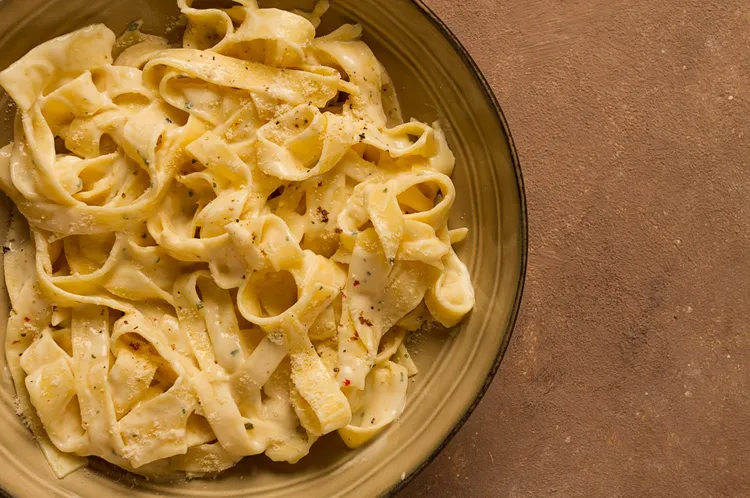
The gap between good dairy-free cooking and mediocre dairy-free cooking is usually one of two things: not enough fat, or the wrong fat for the job. Swap butter for coconut oil in a creamy pasta sauce and you'll taste the difference. Use it in a Thai curry and no one notices. Matching the substitute to the dish is what separates dairy-free meals that satisfy from ones that just technically avoid dairy.
The Main Dairy-Free Fat Substitutes
Cashew Cream
Soak 150g of raw cashews in water for 4+ hours (or 30 minutes in boiling water), then blend with 120-180ml of fresh water until completely smooth. The result is a neutral-flavoured cream that works in pasta sauces, soups, gratins, and anywhere double cream would go. It's thick, rich, and has no coconut taste. Cashew cream keeps in the fridge for 4-5 days and can be frozen. Approximate cost: $0.80-1.20 per batch, covering 3-4 portions.
Not suitable if you need the dish to be nut-free. In that case, see nut-free cooking for alternatives.
Full-Fat Coconut Milk
The best dairy-free substitute for cream in curries, soups, and stews. Full-fat from a tin (not carton coconut milk, which is much thinner) produces the body you need. The coconut flavour works in Thai, Indian, and Caribbean cooking. In European-style sauces, it can clash - use cashew cream there instead. ~230 kcal and 22g fat per 100ml, so it's calorie-dense; use it where it earns its place.
Oat Milk
The best dairy-free milk for sauces, bechamel, and anywhere you'd use whole milk. It has a mild, slightly sweet flavour and foams reasonably well for coffee. It doesn't produce the richness of cashew cream, but it makes a perfectly decent white sauce. Use a barista-formula version if you're making sauces - the regular version can split in high heat.
Vegan Butter
Good for finishing sauces, sauteing, and baking. Most vegan butters (brands like Naturli, Violife, Miyoko's) behave very similarly to dairy butter at room temperature and when melted. They're typically made from coconut oil and sunflower oil blended with emulsifiers. Cost is roughly 1.5-2x dairy butter. Use for pastry, biscuits, and anywhere butter is the flavour, not just the fat.
Nutritional Yeast
Not a fat substitute, but a flavour one. Nutritional yeast adds a savoury, cheese-like depth to dairy-free sauces. Two tablespoons stirred into a cashew cream sauce, or sprinkled on pasta, provides the umami note that cheese would otherwise deliver. ~45 kcal and 5g protein per 2 tbsp. Worth keeping in the pantry.
Five Reliable Dairy-Free Dinner Formats
Coconut Curry
Already a dairy-free format by design. Thai green or red curry, Indian dal, or any coconut-based braise - the full-fat coconut milk does exactly what cream would do. The key is not to boil it vigorously once added; simmer gently. ~400-500 kcal per portion depending on protein. Add red lentil soup to your rotation for a version that's vegan, warming, and batch-friendly.
Cashew Cream Pasta
Blend 150g soaked cashews with 180ml water, garlic, lemon juice, salt, and nutritional yeast. Toss with pasta and add whatever vegetables or protein you like. ~500 kcal per portion, 15g protein (add chicken or chickpeas to increase). The sauce keeps better than you'd expect - it doesn't break on reheating like dairy cream sometimes does.
Roasted Vegetable Traybake
No dairy needed. Olive oil, salt, and high heat produce more flavour than butter would. Salmon baked in foil with asparagus and olive oil instead of butter delivers the same result. For a fully plant-based version, swap salmon for cubed firm tofu or white beans, increase the olive oil, and roast at 200C for 25 minutes.
Grain Bowls
A bowl of cooked quinoa or rice, roasted vegetables, a protein, and a tahini dressing contains no dairy and needs none. Tahini (sesame paste) + lemon juice + garlic + water produces a deeply savoury sauce that beats most dairy-based dressings. ~450 kcal, 20-30g protein depending on the protein source.
Stir-Fries
Naturally dairy-free. The sauce is typically soy/tamari-based with sesame oil, ginger, garlic, and sometimes a splash of coconut milk for body. Balsamic chicken and mushrooms is technically not a stir-fry but follows the same dairy-free logic - the pan sauce is built from vinegar and stock, not cream.
Putting a full week of dairy-free dinners together is much easier with a structured plan - build yours here so you're never staring at the fridge wondering what's safe to eat.
Dairy-Free Baking
For the full breakdown of butter, milk, cream, and yoghurt substitutes in baking - with ratios - see our dedicated article on dairy-free baking swaps that work every time.
Meal Prep Notes
Cashew cream sauces and coconut milk curries both refrigerate well for 3-4 days and freeze well for up to 3 months. Make a double batch of any curry or grain bowl component on Sunday and you have dairy-free lunches handled for most of the week. For the broader framework, the batch cooking guide covers storage times and containers.
If you're cooking dairy-free alongside other dietary needs in the same household, the special diets hub has the cross-diet cooking strategies that simplify the week.
Latest