Japanese Home Cooking Beyond Sushi: The Complete Guide
Japanese home cooking is built on a handful of pantry staples and a few core techniques - once you have those, weeknight dinners like miso soup, oyakodon and teriyaki come together fast. This guide covers everything you need to start cooking real Japanese food at home.
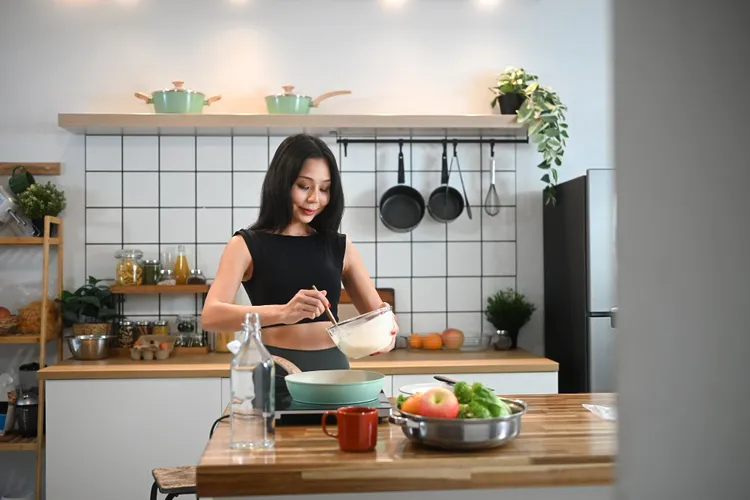
Most people's first encounter with Japanese food is at a restaurant - sushi, ramen, maybe tonkatsu. All of them are excellent. None of them are what Japanese people actually cook on a Tuesday night. Everyday Japanese cooking is simpler, quieter, and in many ways easier to pull off at home than a bowl of ramen suggests. The building blocks are a short pantry list, a rice cooker (or a decent saucepan), and an understanding of dashi - the foundational stock that makes everything taste the way it does.
What Makes Japanese Home Cooking Different
Japanese home cooking - called katei ryori - centres on balance rather than richness. A typical home meal (ichiju sansai, meaning "one soup, three dishes") pairs a bowl of rice with miso soup and two or three small sides. Protein, vegetables and fermented flavours all appear at the same meal, often in small quantities. Nothing is designed to be the star. This approach keeps calories moderate - a standard ichiju sansai dinner lands around 500-650 kcal, with a reasonable split across protein, carbs and fat without any deliberate calorie counting.
The other difference is umami. Japanese cooking relies heavily on naturally umami-rich ingredients - miso, soy sauce, mirin, dashi, dried mushrooms - which means dishes taste deeply savoury without needing large amounts of fat or salt to get there.
The Japanese Pantry: What You Actually Need
You do not need a specialist grocery shop for most of this. Large supermarkets carry the basics; Asian grocery shops fill in the rest cheaply. For a detailed breakdown of each ingredient, how to use it and what to look for when buying, see our full guide to Japanese pantry staples.
The six items that appear in almost every recipe:
- Soy sauce (shoyu): Use regular (koikuchi) for most cooking. Around 10 kcal per tablespoon, 900mg sodium - a little goes a long way.
- Mirin: Sweet rice wine used for glazing and balancing salty sauces. About 45 kcal per tablespoon. Use hon-mirin (true mirin) where possible, not "mirin-style seasoning".
- Sake: Cooking sake tenderises meat and removes off-flavours. A bottle costs $3-5 and lasts months.
- Miso paste: Fermented soybean paste, either white (shiro, milder) or red (aka, stronger). Keeps in the fridge for a year. See also the deep dive at Miso from Scratch if you want to understand how it's made.
- Dashi stock: The base for miso soup and countless sauces. Instant dashi granules work fine for everyday cooking. Kombu + bonito flakes from scratch takes 15 minutes.
- Short-grain Japanese rice: Everything else is built around this. Rinse it properly, cook it right, and it will hold together for onigiri, absorb sauces in donburi, and serve as the base for every meal.
Secondary additions - sesame oil, rice vinegar, toasted sesame seeds, nori - are worth picking up once you've used the first six.
Essential Techniques (and Why They Matter)
You can get far with three skills: making dashi, cooking Japanese rice properly, and understanding how to balance soy-mirin-sake in a sauce.
Making dashi: Fill a pot with cold water, add a piece of kombu, and heat slowly. Remove the kombu just before boiling. Add bonito flakes, turn off the heat, steep for three minutes, strain. That's it. This is the base for proper miso soup and dozens of other dishes. Instant granules (hondashi) are a completely acceptable shortcut.
Cooking rice: Rinse until the water runs nearly clear (three to four washes), soak for 30 minutes, cook at a 1:1.1 ratio of rice to water, steam off the heat for 10 minutes after cooking. Skipping the rinse produces gluey, dense rice. A rice cooker automates all of this; it's the single most useful piece of equipment for Japanese home cooking.
The 1:1:1 sauce ratio: Equal parts soy sauce, mirin and sake is the starting point for teriyaki, oyakodon, gyudon and dozens of other dishes. From there, adjust the ratios - more mirin for sweeter dishes, a splash of dashi for a lighter sauce. Learning this ratio means you can reconstruct almost any Japanese sauce from memory.
A Sample Week of Japanese Home Cooking
This is a realistic week - not a strict meal plan, but a way of showing how these dishes fit into normal weeknight cooking. Each meal links to a dedicated recipe article with full method and macro estimates.
Monday dinner: Oyakodon (chicken and egg rice bowl) - 20 minutes from start to finish, one pan, roughly 480 kcal and 35g protein per serving. Batch the sauce and it's even faster the second time.
Tuesday lunch: Onigiri (rice balls) with tuna mayo or pickled plum filling - make them the evening before, wrap in cling film, grab from the fridge. Around 200 kcal each, portable, no reheating needed.
Wednesday dinner: Teriyaki chicken or salmon over rice, with a side of miso soup. The sauce takes 5 minutes; the whole meal is on the table in under 30. For a fast teriyaki salmon option, this teriyaki glazed salmon works well as a weeknight base.
Thursday dinner: Tonjiru (pork and root vegetable miso soup) with rice. Hearty enough to be a main meal, ~320 kcal, batch-cook and it improves overnight.
Friday dinner: Chicken karaage with rice and sunomono cucumber salad. The karaage can be baked or air-fried; the cucumber salad takes 10 minutes.
Weekend breakfast: Tamagoyaki (rolled omelette) with rice and miso soup - the classic Japanese breakfast, takes 10 minutes once you have the technique.
Weekend project: Japanese curry made from scratch (or roux blocks for a faster version), enough for four servings with planned leftovers.
Macro Profile of Japanese Home Cooking
Japanese home cooking is not low-calorie by design, but it tends to land in a moderate range. The typical breakdown of a full ichiju sansai dinner:
- Calories: 500-700 kcal (depending on rice portion and protein)
- Protein: 25-40g (fish, egg, tofu, chicken are the main sources)
- Carbs: 60-90g (mostly from rice)
- Fat: 10-20g (low-fat cooking methods - simmering, steaming, quick-stir)
- Sodium: High - miso, soy sauce and dashi all contribute. Worth noting if you're monitoring intake.
All macro figures are estimates. Real values vary with portion size and ingredient quantities.
Getting Started: The First Three Dishes to Learn
If you're new to Japanese cooking, these three dishes teach the most techniques for the least complexity. Master them and the rest of the cuisine starts to make sense.
First: miso soup from scratch. It teaches you dashi, how to dissolve miso without boiling it, and the idea of seasonal variations (different vegetables and tofu types by season). Ten minutes, under 100 kcal, eaten daily across Japan.
Second: tamagoyaki. It teaches you heat control and patience, and produces a breakfast staple that works in bento boxes and as a side dish. Once you can make it without the egg cracking, you're cooking with confidence.
Third: oyakodon. It teaches the fundamental soy-mirin-dashi sauce ratio and the donburi format (protein + sauce over rice). Get this right and you can cook gyudon, katsudon and a dozen other rice bowls with the same base logic.
Equipment Worth Having
You do not need specialist equipment to cook Japanese food. A rice cooker helps but is optional - a saucepan with a tight lid works. A tamagoyaki pan (rectangular) makes rolled omelettes easier but a standard non-stick pan can do the job. A fine-mesh strainer is useful for straining dashi. Beyond that: a sharp knife, a wooden spoon, and a bowl for mixing sauces.
One item worth the investment: a rice cooker with a "keep warm" function. Japanese rice is cooked multiple times a day in most households; having it warm and ready changes how much you use it.
Where to Go From Here
The articles below cover each dish in the sample weekly plan in full detail - method, ingredients, macro breakdown and meal prep tips. Start with whichever dish interests you most, or work through the week in order. The pantry guide is a useful first read if you're setting up from scratch.
- Japanese Pantry Staples: What to Buy and How to Use Them
- How to Make Miso Soup from Scratch
- Tamagoyaki: The Japanese Rolled Omelette
- Onigiri: Japanese Rice Balls for Lunch Prep
- Oyakodon: One-Pan Japanese Chicken and Egg Rice Bowl
- Teriyaki Sauce from Scratch (and 5 Ways to Use It)
- Japanese Curry at Home
- Tonjiru: Japanese Pork and Root Vegetable Miso Soup
- Gyudon: Japanese Beef Rice Bowl Under 500 Calories
- Chawanmushi: Japanese Steamed Egg Custard
- Sunomono: Japanese Cucumber Salad in 10 Minutes
- Japanese Chicken Karaage: Crispy Without Deep-Frying
Latest