Black Garlic: The Complete Guide to Flavor, Uses, and Recipes
Black garlic is one of the most versatile and underused ingredients in the modern kitchen - sweet, jammy, deeply savory, and packed with more antioxidants than raw garlic. This guide covers everything: what it is, how it's made, how to cook with it, and where to start.
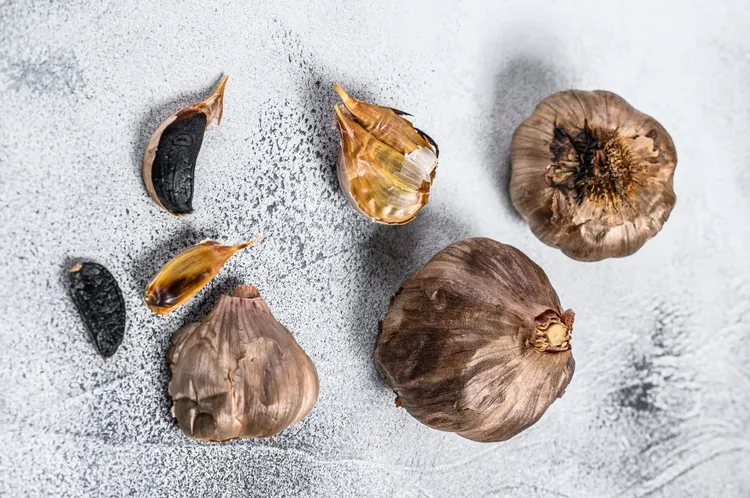
Most people encounter black garlic once - on a restaurant menu, tucked into a sauce description - and spend the next few years wondering what to do with the jar they eventually bought. The answer is: almost anything. Black garlic is fermented at low heat for weeks until its sharp pungency transforms into something closer to balsamic vinegar meets roasted molasses meets umami paste. It doesn't taste like garlic the way you know it. It tastes like garlic's more sophisticated older sibling.
What Is Black Garlic?
Black garlic starts as ordinary white garlic. Over 3-6 weeks, whole bulbs are held at roughly 60-90°C (140-195°F) in a humid environment. No fermenting agents, no additives - just heat, moisture, and time. The Maillard reaction and enzymatic browning turn the cloves jet black, eliminate the harsh raw-garlic bite, and produce a suite of new flavor compounds: sweet, tangy, earthy, slightly smoky. If you want the full story behind the transformation, our deep dive into what black garlic is and how it's made covers the chemistry in plain English.
The result is a soft, almost gel-like clove that can be spread, blended, or sliced. No peeling difficulty, no sticky fingers, no eye-watering fumes.
How Black Garlic Tastes
The flavor is genuinely unlike anything else in a standard spice rack. Expect:
- Sweetness - like a mild, dark fruit or aged balsamic
- Umami depth - similar to miso or soy, without the saltiness
- Slight acidity - a tang that balances the sweetness
- Earthiness - mushroomy, with a hint of smokiness in some varieties
- Zero sharpness - the allicin that makes raw garlic pungent has largely converted
That flavor profile makes it compatible with an unusually wide range of dishes - from a bowl of ramen to a creamy aioli to the base of a bright vinaigrette.
Black Garlic vs Regular Garlic
The two aren't interchangeable - they serve different purposes. Raw garlic is sharp, aromatic, and punchy. It dominates. Black garlic is quiet and layered; it lifts other ingredients without announcing itself. Use raw garlic when you want heat and bite. Use black garlic when you want depth and complexity. Our full comparison of black garlic vs regular garlic breaks down when to reach for each one.
Nutritional Profile
Black garlic is more nutritionally interesting than its modest size suggests. Estimates per 100g of black garlic:
- Calories: ~150 kcal
- Carbohydrates: ~33g (mostly from natural sugars formed during fermentation)
- Protein: ~6g
- Fat: ~0.5g
- Fiber: ~3g
More relevant than macros, though, is the antioxidant content. Black garlic contains significantly higher levels of S-allylcysteine (SAC) and polyphenols than raw garlic. SAC is water-soluble, bioavailable, and the subject of a growing body of research. For an honest look at what the studies actually show - and don't show - see our article on black garlic health benefits. Typical usage amounts (a few cloves per dish) are small enough that the caloric contribution is negligible.
How to Use Black Garlic in Cooking
The most practical thing to understand about black garlic is its texture: soft enough to mash with a fork, sticky enough to spread, and easy to blend completely smooth. That opens up a lot of technique options.
As a paste or spread
Mash cloves directly into butter, mayo, or cream cheese. The resulting black garlic paste keeps in the fridge for weeks and works as a base for almost anything. Black garlic compound butter is one of the simplest upgrades you can make to roasted chicken, grilled steak, or a simple pasta.
In sauces and dressings
A clove or two blended into a vinaigrette adds body and complexity without dominating. In a pan sauce for steak - a proper black garlic steak sauce - it dissolves completely into the reduction and makes the whole thing taste restaurant-grade. Black garlic aioli is arguably the easiest gateway recipe: three ingredients, ten minutes, and suddenly every roasted vegetable tastes more interesting. Try it alongside baked zucchini fritters for an easy appetizer that punches well above its effort level.
Directly in dishes
Slice or leave cloves whole and add to braises, soups, ramen broth, roasted vegetables, or pizza. On pizza, it works either as a smear under cheese or as a topping alongside mozzarella and something acidic. In ramen, it's typically made into a mayu (black garlic oil) that floats on top of the broth and melts in. In Asian cooking more broadly, it turns up in Korean barbecue marinades, Japanese dipping sauces, and Chinese braising liquids.
In dips
Black garlic hummus is a reliable crowd-pleaser - the sweetness of the garlic plays off the tahini in a way standard garlic doesn't. It also keeps well, making it a good batch-cook item.
How to Make Black Garlic at Home
You don't need special equipment. A rice cooker on the "keep warm" setting, a slow cooker on its lowest heat, or a dedicated fermentation box all work. The process takes 3-6 weeks but requires almost no attention. For the full method - including temperature management, humidity tips, and what to watch for - see the step-by-step guide to making black garlic at home. The cost per bulb drops dramatically once you're making your own.
Where to Buy Black Garlic
Specialty grocery stores (Whole Foods, Asian supermarkets, deli counters with charcuterie) often stock it. Online is the most reliable channel. Price ranges from $8-20 for a small pack of bulbs, depending on origin and processing. Our article on where to buy black garlic covers what to look for in terms of texture, aroma, and labeling - and which formats (whole bulb vs peeled cloves vs paste) are worth the premium.
How to Store Black Garlic
Whole unpeeled bulbs keep at room temperature for months. Once opened, refrigerate. Peeled cloves last 2-3 weeks in the fridge in an airtight container. Made into paste with oil, it lasts longer and is easier to use. The full breakdown of how to store black garlic covers all formats, including freezing.
Where to Start
If you've never cooked with black garlic before, start with the aioli. It requires no cooking, uses 2-3 cloves, and immediately shows you what the ingredient can do. From there, the compound butter and the vinaigrette are natural next steps - both take under 10 minutes and make a noticeable difference in any dish they touch.
For the more ambitious: the ramen and the steak sauce are the recipes where black garlic earns its place as a pantry staple rather than a novelty.
Latest