The Pantry Proteins That Make Instant Meals Complete
Shelf-stable proteins are the difference between a convenience meal that leaves you hungry and one that actually works. Here's what to keep stocked and how to build a fast meal around each one.
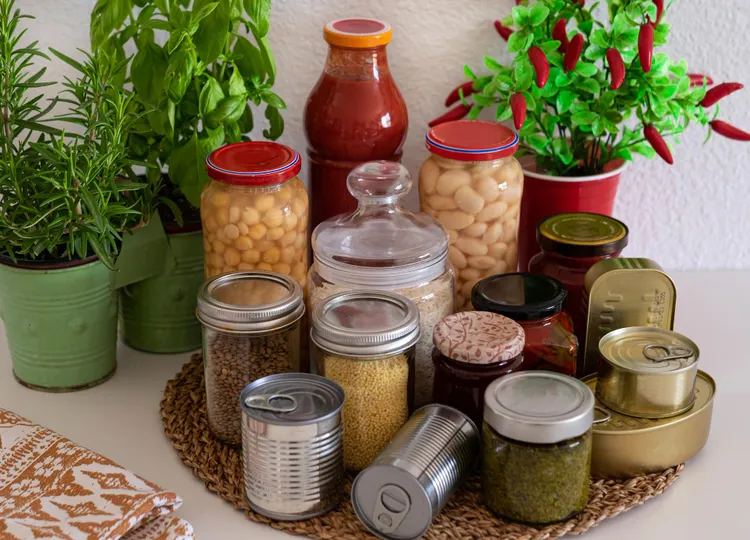
The single biggest nutritional gap in most instant and convenience cooking is protein. A packet of noodles gives you 8g. A pouch of microwave rice gives you 5g. A can of tomato soup might hit 6g. None of these is enough to sustain an adult through an afternoon, which is why convenience food gets the reputation of leaving people unsatisfied. The fix isn't to cook a chicken breast from scratch - it's to have shelf-stable proteins that require zero preparation.
The Shelf-Stable Protein Hierarchy
Not all pantry proteins are equal in terms of preparation effort, flavour versatility, and protein density. Here's how the most common options rank:
Canned Tuna - ~25g protein per tin, ~120 kcal
The most protein-dense, lowest-calorie pantry protein available. It's ready to eat from the tin, works in both warm and cold dishes, and costs under £1. In olive oil versions, the oil itself adds useful fat and flavour. The full breakdown of how to use it is in the canned tuna meals guide.
Canned Sardines - ~22g protein per tin, ~190 kcal (including bones)
Higher in fat than tuna (including omega-3s), stronger in flavour. Best on toast with lemon and hot sauce, or stirred into pasta. The five-minute fried sardines with olives recipe is the simplest hot preparation - 5 minutes, one pan. The bones are edible and add calcium.
Canned Salmon - ~20g protein per tin, ~150 kcal
Milder than sardines, more flavourful than tuna. Works in fish cakes (mix with mashed potato or instant mash, pan-fry), in pasta, or in a simple grain bowl. More expensive than tuna - worth it for flavour variety.
Canned Chickpeas - ~15g protein per tin, ~350 kcal
Lower protein density than fish, but higher in fibre and carbohydrate, making them more filling. The most versatile pantry protein in terms of cuisine range - they work in curries, stir-fries, soups, salads, and sandwiches. Full guide in what to do with a can of chickpeas.
Canned White Beans (Cannellini, Haricot, Butter Beans) - ~14g protein per tin, ~300 kcal
Creamy texture, mild flavour. Best in soups and stews - they break down slightly when heated and thicken the liquid. Stir into canned tomato soup for a quick protein boost. Also good mashed on toast with olive oil and garlic.
Canned Lentils - ~18g protein per tin, ~290 kcal
Higher protein than chickpeas or white beans. Already cooked and ready to use - rinse and add directly to soups or rice dishes. Try them in the base recipe for leek, potato and lentil soup if you want a starting point.
Eggs - ~6g protein per egg, ~75 kcal
Not shelf-stable in the traditional sense, but eggs last 3-4 weeks in the fridge and are the fastest hot protein available. A fried egg takes 3 minutes. A soft-boiled egg takes 6 minutes. Both dramatically improve any bowl, noodle dish, or soup. Eggs are covered throughout the Instant Food, Elevated guide because they appear in nearly every upgrade.
Jarred Anchovies - ~5g protein per 10g serving, ~30 kcal
Tiny amounts, significant flavour. Dissolve in hot olive oil and they disappear completely, leaving behind a deep savoury base that makes any sauce taste more complex. Not a primary protein source - a flavour amplifier that happens to contain protein.
How to Build a Meal Around Each
The simplest framework: pick a pantry protein, pick a carb base (instant rice, pasta, noodles, bread), and add fat and acid from the pantry.
- Tuna + basmati rice pouch + soy-sesame dressing: 5 minutes, ~410 kcal, 34g protein
- Sardines + sourdough toast + lemon + olive oil: 8 minutes, ~380 kcal, 28g protein
- Chickpeas + microwave rice + harissa + yoghurt: 15 minutes, ~460 kcal, 18g protein
- White beans + canned tomato soup + parmesan: 10 minutes, ~420 kcal, 20g protein
- Lentils + instant couscous + olive oil + lemon + cumin: 8 minutes, ~390 kcal, 22g protein
What to Stock
A functional pantry protein setup requires minimal space: 4 tins of tuna, 2 tins of sardines, 2 tins of chickpeas, 2 tins of white beans, 1 tin of lentils. Rotate stock by buying 2 of each when something runs out. Total cost is under £15 and covers protein for at least 10 complete meals.
For the full system of building quick, satisfying meals from these staples, see the Instant Food, Elevated guide.
Latest