Frozen Pizza Upgrades That Actually Work
Frozen pizza doesn't have to taste like frozen pizza. The right oven settings, a few pre-bake additions, and some post-bake finishing touches close most of the gap between supermarket and takeaway.
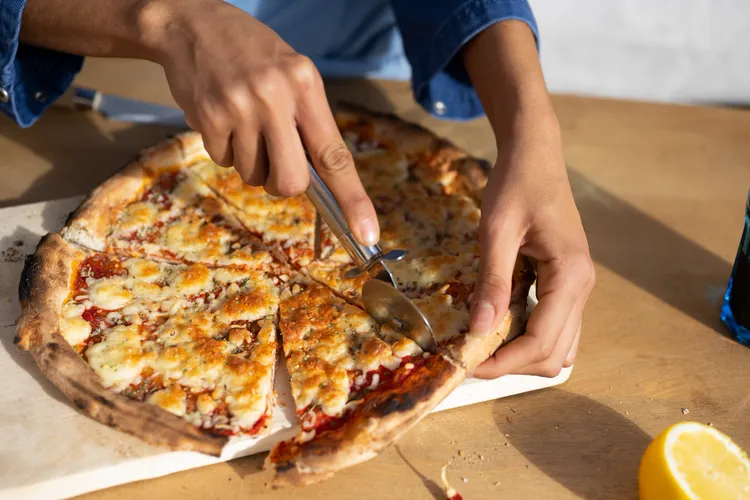
Frozen pizza gets most of its bad reputation from being cooked incorrectly. A soggy base, rubbery cheese that separates into orange oil, and toppings that dry out before the centre is cooked through - these are all avoidable. The issue is that most people follow the packet instructions exactly, which are written for the lowest-common-denominator oven at an average setting. Your oven probably runs differently, and there are things you can do before and after baking that the packet doesn't mention.
Oven Temperature and Placement: The Two Things That Matter Most
Most frozen pizza packets say 200C. Go higher: 220-230C (fan). A hotter oven means faster surface cooking, which means the cheese bubbles and browns before the base has a chance to get soggy. If your oven has a fan, use it - the circulating heat cooks the base more evenly.
Placement matters: put the pizza on the lowest rack, directly on the oven shelf (not on a baking tray). The direct heat from below crisps the base significantly better than a tray, which insulates it. If you have a pizza stone, preheat it in the oven for 30 minutes before putting the pizza on - this is the single biggest upgrade available.
Pre-Bake Additions
These go on before the pizza enters the oven:
- Extra cheese: A handful of grated mozzarella (or torn fresh mozzarella) over the top gives you better coverage and proper cheese pull. The pre-applied cheese on most frozen pizzas is sparse by design - there's no cost reason to be that restrained at home.
- Chilli flakes: Scattered over the cheese before baking. They toast in the oven and bloom into the melted cheese in a way that post-bake chilli flakes don't replicate.
- Thin-sliced garlic: Lay a few slices over the sauce before adding cheese. They cook at the same rate as the pizza and caramelise without burning.
- A protein upgrade: Tinned anchovies, slices of salami, or torn prosciutto laid over the existing toppings. Prosciutto added before baking goes crispy; added after, it stays silky - both are valid approaches.
Post-Bake Finishing
This is where the gap between frozen and proper closes most dramatically. Add these immediately after the pizza comes out of the oven:
- A drizzle of good olive oil: Not the cheap stuff. The heat of the pizza warms the oil and spreads its flavour across the whole surface. This alone makes a frozen pizza taste more intentional.
- Fresh rocket or basil: Laid on hot pizza, these wilt slightly at the edges and stay fresh in the middle. The pepper from rocket and the anise from basil contrast with the rich cheese effectively.
- A fried egg: Added post-bake on top of the cheese. The yolk breaks when you slice into it. ~6g extra protein, and it makes the meal more substantial.
- Balsamic glaze: A thin drizzle over a margherita. Cuts the richness and adds a slight sweetness. Don't use raw balsamic vinegar - it's too sharp. The thick glaze (from a bottle, widely available) is what you want.
- Grated parmesan: Applied directly after baking while the surface is still hot, it melts slightly into the cheese layer. Better flavour and saltiness than the cheaper cheese already on the pizza.
Base Crispiness: The Overnight Hack
If you plan ahead: take the pizza out of the freezer the night before and leave it uncovered in the fridge. The surface dries out slightly, which means significantly less steam in the oven and a crisper base. It's the same principle as air-drying meat before roasting.
Estimated Macros
A standard frozen margherita pizza (300g) is roughly 680–780 kcal and 28-32g protein. Adding fresh mozzarella (+80 kcal, +5g protein), a fried egg (+75 kcal, +6g protein), and rocket (+5 kcal) brings the upgraded total to approximately 850 kcal and 40g protein for the whole pizza, or ~425 kcal and 20g protein per half. Adjust for your specific brand and additions.
Meal Prep Notes
Leftover pizza reheats well in a dry pan with a lid on low heat for 5 minutes - the base gets crispy again and the cheese softens without going rubbery. The microwave makes it worse; the pan method is the correct one. For more ideas on upgrading convenience food without much effort, see the full Instant Food, Elevated guide.
Latest