The Anti-Cortisol Diet Doesn't Exist - But These Foods Help
No food lowers cortisol. What specific foods and nutrients do is reduce the unnecessary activation of the cortisol system, support recovery from stress, and fill the nutritional gaps that make stress responses worse. The evidence is real but specific - and much narrower than wellness content suggests.
The framing of 'cortisol-lowering foods' misunderstands what cortisol is doing. Cortisol is a response to a stimulus - a stressor, a glucose crash, a sleep deficit, an inflammatory signal. Eating a particular food does not reach into that response and dial it down. What diet can do is reduce some of the stimuli that trigger the cortisol response, and support the physiological systems that allow the body to return to baseline after activation. Those are the real targets.
The Evidence Tiers
Before going through specific foods, it helps to be clear about the strength of the evidence for each. The wellness industry treats all dietary claims equally. The research does not.
Tier 1 - Multiple randomised controlled trials in humans: Magnesium supplementation in deficient individuals; omega-3 fatty acid supplementation reducing inflammatory cortisol pathways; adequate caloric intake versus under-eating.
Tier 2 - Observational evidence and some human trials: Dietary fibre and gut microbiome diversity; polyphenol-rich foods and inflammatory markers; fermented foods and HPA reactivity via the gut-brain axis.
Tier 3 - Animal studies, mechanistic rationale, or early human data: Dark chocolate (flavanols); green tea (L-theanine); specific probiotics.
No credible evidence in humans: Ashwagandha as a cortisol blocker (effect sizes in trials are small and confounded); celery juice; 'adrenal cocktails'; any specific superfood framed as a cortisol intervention.
Foods With Real Evidence
Oily Fish
EPA and DHA from oily fish (salmon, sardines, mackerel, herring) are the best-evidenced anti-inflammatory dietary intervention. A 2021 meta-analysis of 18 RCTs found omega-3 supplementation reduced cortisol levels in highly stressed populations. The mechanism operates through inflammatory pathways: EPA and DHA reduce the production of pro-inflammatory cytokines (IL-6, TNF-alpha) that act as HPA axis activators. Two to three portions of oily fish per week provides approximately 1.5-2g of EPA+DHA - within the range showing effect in trials. The lemon-butter baked salmon with asparagus provides approximately 2.5g EPA+DHA per serving. Sardines are an efficient budget option with the same omega-3 profile.
Dark Leafy Greens
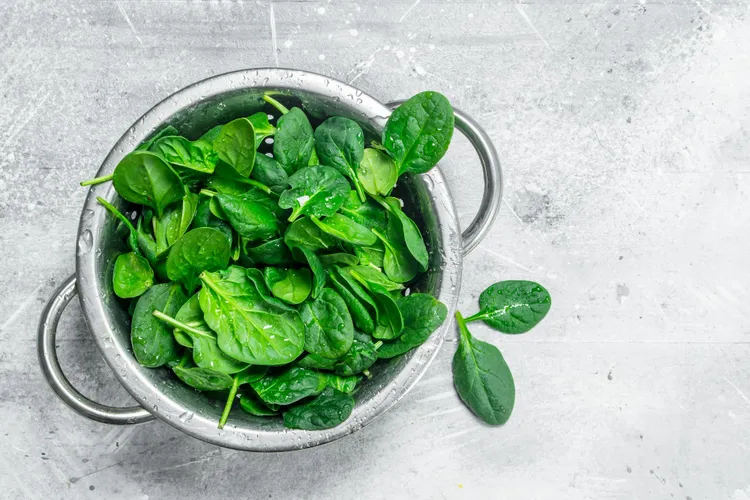
Spinach, kale, Swiss chard, and similar greens are among the highest-magnesium foods available. A 100g serving of cooked spinach provides around 80mg magnesium - roughly 20% of daily requirements. Magnesium has the strongest evidence base of any nutritional intervention for HPA axis regulation (covered in full in the magnesium article). Greens also provide folate, which is involved in serotonin synthesis, and vitamin C, which has been shown in one RCT to blunt post-stress cortisol recovery time.
Legumes
Chickpeas, lentils, black beans, and similar legumes contribute to blood glucose stability (high fibre, moderate glycaemic index) and provide magnesium and B vitamins. The fibre in legumes is predominantly soluble and resistant starch - both well-studied prebiotic fibres that feed gut bacteria associated with improved HPA reactivity via the gut-brain axis. Including legumes 4-5 times per week is one of the simplest ways to hit multiple cortisol-support targets simultaneously. The chickpea and lentil patties are a practical high-legume meal.
Fermented Foods
Yoghurt, kefir, kimchi, sauerkraut, and miso provide live bacteria that directly influence gut microbiome composition. A 2021 Stanford trial (Wastyk et al.) found that a high-fermented food diet increased microbiome diversity and decreased 19 inflammatory proteins over 10 weeks - a substantially better outcome than a high-fibre diet alone for the inflammatory response. The mechanism connecting fermented foods to cortisol runs through the gut-brain axis: a healthier microbiome produces more short-chain fatty acids and neurotransmitter precursors that blunt HPA reactivity. The article on milk kefir covers the practical side of fermented dairy.
Whole Grains and Oats
The combination of complex carbohydrates, fibre, and magnesium in whole grains covers multiple blood-sugar-stability and nutrient-sufficiency targets simultaneously. Oats in particular provide beta-glucan (a soluble fibre with strong gut microbiome evidence) and significant magnesium per serving. Replacing refined grain products with whole grain versions at most meals is one of the highest-leverage, lowest-effort dietary changes for cortisol support.
Dark Chocolate (70%+)
There is a specific, limited evidence base for dark chocolate and cortisol: a 2009 study found that 40g of dark chocolate daily for two weeks reduced urinary cortisol metabolites in highly stressed participants. The proposed mechanism involves cocoa flavanols modulating HPA axis activity and their known effects on gut microbiome diversity. The effect size was modest and the trial was small. Dark chocolate is not a cortisol treatment. But it is a legitimate minor contribution to polyphenol intake and has more research behind it than most 'stress-supporting' foods.
What Doesn't Have Evidence
Ashwagandha: The human trial data is small, the effect sizes are inconsistent, and the 'cortisol-lowering' framing is not well-supported by the available evidence. It may have mild adaptogenic effects, but it is not a reliable cortisol intervention and is frequently oversold.
'Adrenal cocktails' (salt, orange juice, cream of tartar): No mechanism for cortisol effect. The rationale involves providing electrolytes to 'fatigued adrenal glands' - a concept not supported by endocrine physiology.
Celery juice: No cortisol-specific evidence. The claims about 'adrenal support' are marketing.
The cortisol-conscious diet is not about adding specific superfoods. It is about meeting nutritional needs - adequate magnesium, regular omega-3 intake, diverse fibre sources, and fermented foods - through a varied, whole-food eating pattern. Use the daily macro planner to check whether your current meals are covering the protein and micronutrient targets that underpin this framework. For the full picture, the cortisol-conscious cooking guide covers every dietary lever with evidence ratings.
The Polyphenol Category
Polyphenols are bioactive compounds in plant foods that include flavonoids, phenolic acids, stilbenes, and lignans. They are not directly cortisol-lowering agents, but they reduce inflammatory signalling in ways that reduce HPA axis activation. The most relevant for stress support:
Anthocyanins (found in blueberries, blackcurrants, raspberries, black beans, red cabbage): Among the most studied polyphenols for anti-inflammatory effects. A 2019 randomised trial found that daily blueberry consumption over 6 weeks reduced inflammatory markers including CRP and IL-6, both of which activate the HPA axis when chronically elevated.
Flavonols (found in onions, kale, broccoli, apples, tea): Quercetin and kaempferol are the primary compounds. Both have shown inhibitory effects on cortisol-related inflammatory cytokines in laboratory studies, with limited but directionally consistent human trial data.
Resveratrol (found in red grapes, peanuts, dark chocolate): Has shown HPA-axis-modulating effects in animal studies; human trial data is limited and inconsistent. The inclusion of resveratrol-containing foods in the diet is reasonable given their other nutritional value, but targeted resveratrol supplementation for cortisol is not supported by current evidence.
The practical conclusion: eating a diet rich in diverse polyphenol sources - varied colourful vegetables, berries, legumes, whole grains, dark chocolate, green tea - reduces inflammatory tone and supports the dietary environment in which cortisol regulation functions optimally. This is not achieved by adding a single polyphenol-rich food; it is achieved through the dietary diversity that the cortisol-conscious cooking guide describes as the foundational approach.
What to Do This Week
The most practical starting point for most people: add oily fish twice this week (the baked salmon with asparagus covers one meal), check that each lunch and dinner includes at least 25g of protein, and add a tablespoon of mixed seeds or a handful of pumpkin seeds to one meal per day. These three changes cost nothing significant in time or money and address the three most common dietary gaps in the cortisol-support framework. Everything else in this cluster builds on this foundation.
Building the Week Around Evidence
A practical week that covers the evidence-based dietary targets without requiring specific 'cortisol meals':
Omega-3 twice: one salmon meal (the baked salmon with asparagus or a miso salmon variation), one sardine meal (sardines with olives for a five-minute option, or sardine toast as described in the recipes).
Magnesium daily: pumpkin seeds on porridge or yoghurt, a portion of dark leafy greens at one meal, and one meal with legumes covers approximately 250-300mg across the day - combined with whole grains and nuts bringing total to within range of the RDA.
Fermented food daily: kefir in a morning smoothie, or yoghurt at breakfast, or kimchi as a condiment at lunch or dinner. Any one of these, consistently, maintains the fermented food contribution to gut microbiome diversity.
Blood sugar stability: protein and fat at every meal, whole grains over refined where practical, no going longer than 5-6 hours without eating during waking hours.
That is the complete dietary cortisol support programme. Four targets, each with real evidence, each achievable through mainstream food choices, none requiring specialist shopping or significant additional cost. The pillar guide covers the full framework, and the meal prep planner makes it easier to maintain consistently across a real week.
Green Tea and L-Theanine
Green tea occupies a specific niche in the cortisol-supportive food landscape because it combines caffeine with L-theanine - an amino acid that modulates the cortisol-raising and anxiety-producing effects of caffeine through alpha-wave promotion in the brain. The evidence for L-theanine as a standalone stress-reducer in humans is limited and dose-dependent (effective doses in trials typically exceed what's found in one cup of tea), but the combination of caffeine and L-theanine in green tea produces a more cortisol-moderate alerting effect than caffeine alone.
Matcha - ground whole tea leaves - provides higher L-theanine concentrations than steeped green tea and is the format most likely to produce a meaningful L-theanine contribution within normal serving sizes. For people who are caffeine-sensitive or who notice stress-amplifying effects from coffee, switching to matcha in the morning is a practical adjustment with a plausible mechanism. It is not a cortisol treatment; it is a caffeine source with a better cortisol profile than alternatives for the relevant population. For the full evidence framework across dietary cortisol support, the complete guide covers each intervention with its evidence rating.
The Complete Evidence Summary
The foods with the strongest evidence for cortisol support: oily fish for omega-3 (EPA+DHA); dark leafy greens, pumpkin seeds, and legumes for magnesium; fermented foods for gut microbiome health and the gut-brain axis; whole grains and legumes for blood sugar stability; and colourful plant foods broadly for polyphenol diversity and anti-inflammatory tone. The mechanism for each is specific and evidence-graded. No single food is a cortisol treatment. The pattern of eating these foods consistently, as part of a varied whole-food diet, supports the physiological conditions under which cortisol regulation functions optimally. The complete guide situates these within the full framework including non-dietary interventions that have stronger effects.
The Evidence-Based Priority List
If narrowing to the three highest-evidence dietary additions for cortisol support: oily fish twice weekly for EPA+DHA, magnesium-rich foods daily (pumpkin seeds, dark leafy greens, legumes), and at least one fermented food daily for gut-brain axis support. These three targets cover the primary evidence-supported mechanisms - anti-inflammatory, HPA feedback, and gut microbiome - and are achievable through normal food shopping without specialist products. Everything else in this article adds value but these three are the foundation. Build them using the weekly meal prep planner to ensure consistency across the full week, and track nutritional adequacy using the Consillar calculators. The complete evidence framework is in the cortisol-conscious cooking guide.
Foods to Limit for Cortisol Support
Beyond adding the evidence-supported foods above, reducing specific dietary components lowers the inflammatory and metabolic burden on the HPA axis. Ultra-processed foods containing industrial emulsifiers and additives disrupt the gut microbiome that mediates HPA recovery via the gut-brain axis. High refined sugar intake drives the glucose-cortisol instability cycle. Excessive alcohol disrupts both sleep architecture and gut barrier integrity - two of the most important indirect pathways for cortisol regulation. These are not absolute restrictions; they are directional reductions that lower the background noise that makes the positive additions less effective. A diet that adds sardines twice weekly while consuming large quantities of ultra-processed food and alcohol is fighting itself. The additions work better in a cleaner dietary context, and the reductions are as much part of the cortisol-conscious framework as the additions. For the complete evidence-based picture, the pillar guide covers the full framework.
The cortisol-conscious diet is ultimately a whole-food, anti-inflammatory, gut-diverse dietary pattern - not a set of specific superfoods. The foods with real evidence happen to be the same foods that characterise high-quality diets generally: oily fish, dark leafy greens, legumes, whole grains, fermented dairy, colourful plant foods, and nuts and seeds. The specific cortisol mechanisms behind each are the scientific justification for a dietary pattern that good nutrition science has recommended on multiple grounds for decades. Use the daily macro planner to build meals around these targets, and the complete guide for the full framework.
Disclaimer: This article is for informational purposes only and does not constitute medical or nutritional advice. The relationship between diet and the stress response is complex, and individual responses to dietary changes vary. If you are experiencing symptoms that may indicate a hormonal imbalance, anxiety disorder, metabolic condition, or chronic fatigue, consult your GP or a registered dietitian before making significant changes to your diet or supplement routine.
Latest