The Fridge Map: How to Organise Your Fridge So Food Doesn't Die at the Back
Most fridge organisation advice focuses on aesthetics. This guide focuses on temperature, airflow, and rotation - the three factors that actually determine whether your food survives the week.
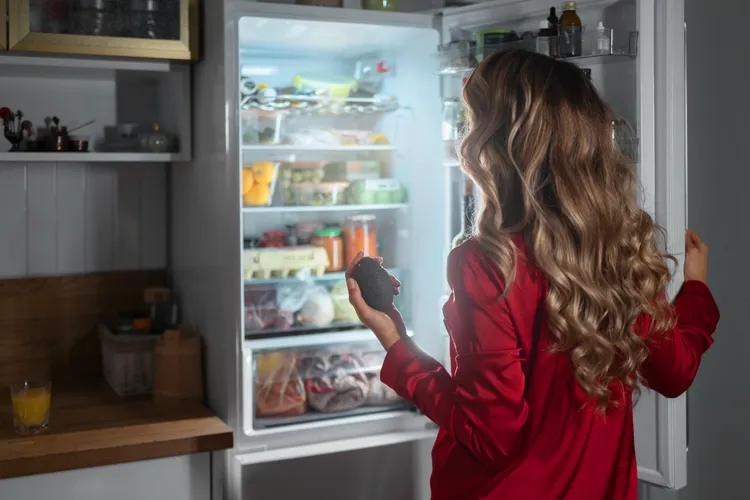
Your fridge has a temperature gradient most people don't know about. The door is the warmest zone, running 5-8°C on a typical fridge. The back of the middle shelf is the coldest, often 1-2°C. The crisper drawers maintain higher humidity than the main compartment. None of this gets marked on the fridge, and most organisation advice ignores it entirely - which is why following that advice often makes food waste worse rather than better.
Why Temperature Zones Matter More Than Tidiness
Storing milk in the door because it fits neatly there means it's sitting in the warmest part of the fridge. Milk keeps roughly twice as long at 2°C as it does at 7°C. That's not a small difference - it's the difference between milk that lasts until Friday and milk that sours by Wednesday. The same logic applies across most ingredients: matching food to the right zone is the single highest-leverage fridge change you can make.
The zones and what belongs in them
Top shelf (3-5°C): Leftovers, cooked food, ready-to-eat items, soft cheeses. These don't need extreme cold and benefit from being at eye level where you'll see and use them.
Middle shelf (2-4°C): Dairy (not in the door), eggs if not already room-temperature stable in your country, deli meats. The most stable temperature in the fridge.
Bottom shelf (1-2°C, coldest): Raw meat and fish, always. Raw proteins go on the bottom shelf not just because it's coldest, but because any drips fall down rather than contaminating other food. This is the one zone rule that also has food safety implications.
Crisper drawers (higher humidity): Most vegetables do better here than on open shelves, where they dehydrate faster. High-humidity drawer: leafy greens, herbs, broccoli, carrots. Low-humidity drawer (or the same drawer with the vent slightly open): fruits, peppers, anything that rots quickly when too moist.
Door (warmest, 5-8°C): Condiments, pickles, juice, butter, anything with a long shelf life or high acid/salt content that doesn't need cold temperatures. Not milk. Not eggs. Not leftovers.
The Rotation Rule
Supermarkets put new stock behind old stock so the older items sell first. Apply exactly the same logic at home. When you unpack shopping, new items go behind existing items. This takes about 30 seconds and eliminates the most common cause of items being forgotten - something new gets put in front of something old, the old item is never seen again, and a week later you find it in the back corner having gone off.
For this to work, you need to be able to see what's in your fridge. Deep containers stacked on top of each other make rotation almost impossible. Transparent containers, or open-topped bowls for leftovers, mean you can see at a glance what's there.
The Front-of-Fridge Principle
Designate one specific spot in your fridge - ideally front-centre of the most-used shelf - as the "use first" zone. Anything approaching its use-by date, any leftover that needs eating within a day or two, any ingredient that's been open for a while: it goes in this spot. Every time you open the fridge, you see it. This is the physical equivalent of a reminder you can't dismiss.
A clear container works best here - a small tray or open box that's always visible and always means the same thing: eat this first.
What Actually Causes Food to Spoil Faster
Beyond temperature, two things accelerate spoilage in ways most people don't expect.
Ethylene gas: Apples, pears, and some stone fruits produce ethylene as they ripen, which accelerates ripening (and then rotting) in nearby produce. Store ethylene producers away from ethylene-sensitive vegetables like broccoli, leafy greens, and carrots. In practice: don't store fruit and vegetables next to each other in the same crisper drawer unless you're eating everything within a couple of days.
Moisture: Excess moisture accelerates rot in leafy greens. A paper towel in the bag or container of salad leaves absorbs condensation and can extend their life by several days. Mushrooms, on the other hand, go into paper bags rather than plastic - plastic traps moisture and they turn slimy within 24 hours.
The Weekly Fridge Reset
Once a week, before your main shop, do a 5-minute fridge audit. Pull everything to the front, check what's closest to going off, and plan at least one meal around those ingredients. This isn't about being diligent - it's about making the information visible enough to act on. A well-organised fridge makes this audit take 5 minutes. A disorganised one makes it feel like archaeology.
For a systematic approach to cooking through what you find in this audit, see our guide to cooking through your fridge before a big shop. And for the broader framework of how fridge organisation fits into a zero-waste kitchen, the Zero-Waste Cooking Systems guide covers all five interlocking routines.
What Not to Store in the Fridge
Some items actively suffer in the fridge and last longer at room temperature. Tomatoes lose flavour compounds rapidly below 12°C - refrigerating them makes them mealy and bland within two days. Whole uncut onions, garlic, and potatoes keep best in a cool, dark, dry spot outside the fridge. Bread goes stale faster in the fridge than on the counter (the cold accelerates starch retrogradation) - freeze it if you won't finish it in three days, but don't refrigerate it.
Knowing what doesn't belong in the fridge is as important as knowing what does.
Latest