Keto Flu: What It Is, Why It Happens, and How to Get Through It
Most keto beginners feel terrible in the first 3-7 days. Headaches, fatigue, brain fog, and muscle cramps - this is the keto flu. It's not dangerous, but it's unpleasant and it's why a lot of people quit too early. Here's what's actually happening and how to get through it faster.
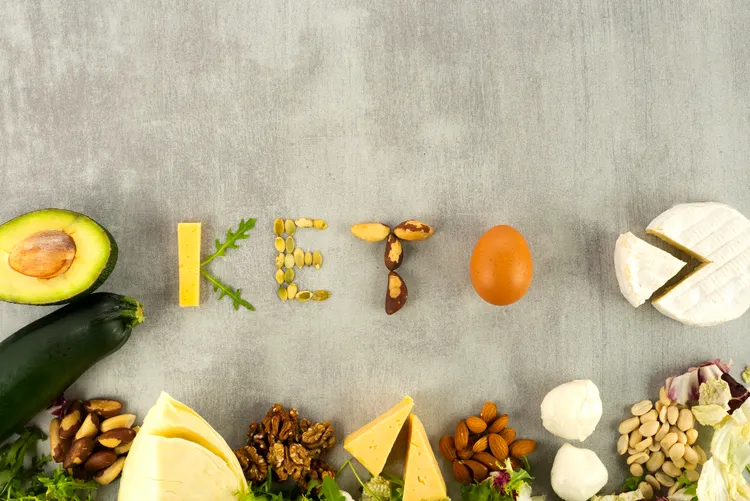
The keto flu is real, it's predictable, and it's almost entirely preventable if you know what causes it. The underlying issue is electrolyte depletion - not some fundamental problem with cutting carbs. Fix the electrolytes and most symptoms disappear within 24-48 hours.
What Causes Keto Flu
When carbohydrate intake drops, insulin levels fall sharply. Lower insulin signals the kidneys to excrete more sodium. As sodium is flushed out, it pulls water with it - which is why you urinate more in the first few days of keto. Potassium and magnesium follow sodium out through the same mechanism. The result: within 2-4 days of starting keto, most beginners are significantly lower in all three minerals than before. These run nerve signaling, muscle contractions, and fluid balance.
Common Keto Flu Symptoms
- Headaches: The most common symptom. Usually caused by sodium and magnesium depletion.
- Fatigue and low energy: Your body is mid-transition between glucose and fat as fuel.
- Brain fog and poor concentration: The brain is adapting to using ketones. Clears up once ketone production is stable.
- Muscle cramps: Typically calf cramps at night. Almost always a magnesium deficiency.
- Irritability: Combination of low energy and electrolyte imbalance.
- Nausea: Less common, usually days 1-2. Often related to the sudden shift in fat intake.
- Heart palpitations: Can occur with severe sodium or potassium depletion. Increase sodium immediately and consult a doctor if palpitations persist.
Typical Timeline
- Days 1-2: Usually fine. Glycogen is depleting but symptoms haven't kicked in yet.
- Days 2-4: Peak symptoms for most people. This is when most beginners consider quitting.
- Days 5-7: Symptoms begin to fade as the body produces more ketones.
- Weeks 2-4: Energy gradually stabilizes. Brain fog lifts. Most people feel notably better than pre-keto by week 3.
How to Prevent and Treat Keto Flu
Sodium: The Most Important Fix
Salt your food aggressively. Most people on keto need 3,000-5,000mg of sodium per day. Add salt to everything. Drink salted broth. A bowl of keto egg drop soup is a fast way to get warm, salty broth with protein at lunchtime during the first week. Keto Italian sausage and bacon soup batch-cooked on Sunday delivers sodium throughout the week via natural food sources.
Potassium
The safest approach is food: avocados (~700mg per half), spinach, salmon, and pork all contain meaningful amounts. Lemon-butter baked salmon with asparagus covers both potassium and omega-3s in one meal - worth putting on the menu in week one specifically for this reason.
Magnesium
Magnesium glycinate or citrate before bed: 200-400mg. This directly addresses muscle cramps and often improves sleep quality. Avoid magnesium oxide - it has poor absorption and causes digestive issues.
Hydration
Drink 2-3 liters of water per day. Plain water isn't enough on its own - you need to replace the electrolytes being lost, not just the water.
Eat Enough Fat
Undereating fat while cutting carbs leaves your body without a primary energy source, making fatigue dramatically worse. If you feel exhausted on keto, eat more fat. A breakfast like baked avocado eggs with bacon delivers ~34g fat and gives much more stable energy than a low-fat egg white scramble would.
If you're not sure how much sodium, potassium, and magnesium you're getting from food, the Consillar nutrition calculators can help you check whether your intake matches the higher electrolyte needs of a keto diet.
What Keto Flu Is Not
Keto flu is not an indication that keto is bad for you or that you should stop. It's a predictable adaptation response that almost everyone experiences to some degree. The people who feel almost nothing during the transition are typically those who ate lower-carb before starting, or who aggressively supplement electrolytes from day one.
Once you're past the keto flu, you're through the hardest part. For the full picture on starting keto and what to expect in the first month, the beginner's guide to the keto diet covers everything in one place.
Medical Disclaimer: The information in this article is for educational purposes only and is not medical advice. Always consult a qualified healthcare provider before starting any new diet, especially if you have diabetes, kidney disease, heart conditions, or are pregnant or breastfeeding. Individual results vary.
Latest