The Beginner's Guide to the Keto Diet: Benefits, Basics, and How to Start
The ketogenic diet cuts carbs to under 50g a day and replaces them with fat, pushing your body into a fat-burning state called ketosis. This guide covers everything a beginner needs: what keto actually does, its proven benefits, how to set your macros, what to eat, and how to do it without spending a fortune.
Most people who try keto quit in the first two weeks - not because it doesn't work, but because they go in without a plan. They cut carbs, feel terrible, and assume the diet is the problem. Usually it isn't. This guide gives you the full picture upfront: the science, the practical setup, and a budget-friendly approach that makes keto sustainable on a real-world grocery budget.
What Is the Keto Diet?
Keto is short for ketogenic. The goal is to get your body running on fat instead of glucose. You do that by keeping carbohydrate intake very low - typically under 50g net carbs per day, and for faster results, under 20g. Without a steady supply of glucose, your liver starts converting fat into molecules called ketones, which your brain and muscles use for fuel. That metabolic state is ketosis.
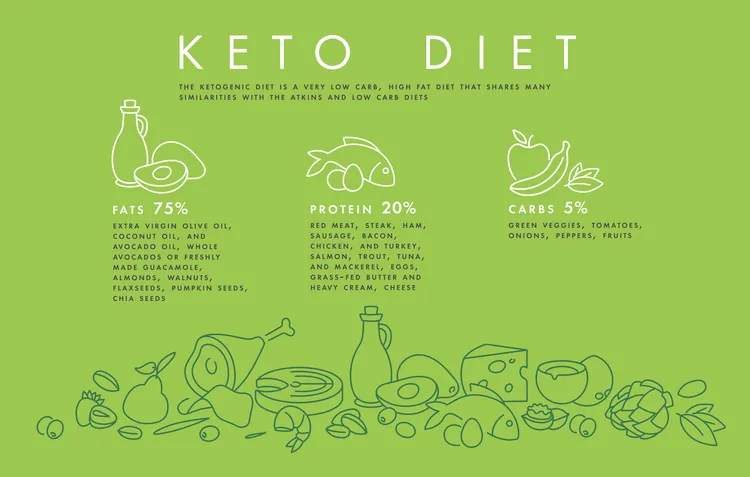
The standard macro split:
- Fat: 65-75% of daily calories
- Protein: 20-25% of daily calories
- Carbohydrates: 5-10% of daily calories (usually 20-50g net carbs)
Proven Benefits of the Keto Diet
Weight Loss
Keto produces faster initial weight loss than low-fat diets, partly from water weight (glycogen stores water) and partly from reduced appetite. Fat and protein are more satiating than carbs, so most people eat less without trying. For realistic expectations on the scale, see our guide on keto weight loss: how fast can you lose weight on keto.
Blood Sugar Control
Cutting carbs directly reduces blood glucose spikes. Several studies show keto can significantly lower HbA1c in people with type 2 diabetes. If you're on diabetes medication, talk to your doctor before starting.
Reduced Hunger
High fat intake suppresses ghrelin, the hunger hormone. Most people report noticeably less hunger within the first two weeks once keto adaptation sets in.
Improved Triglycerides and HDL
Keto consistently lowers triglycerides and raises HDL (good) cholesterol in most people.
Mental Clarity
Ketones are a more efficient fuel for the brain than glucose. Many people report improved focus and steadier energy once fully fat-adapted, usually 4-6 weeks in.
How to Set Your Keto Macros
Your exact targets depend on body weight and activity level. For a full walkthrough, read our keto macros for beginners guide. The short version: cap net carbs at 20g to start, set protein at 0.7g per pound of body weight, and fill remaining calories with fat.
Once you know your goal weight and activity level, use the Consillar nutrition calculators to find your TDEE, your keto macro split, and your daily protein target in one place.
Understanding Ketosis
Entering ketosis takes most people 2-4 days of strict carb restriction. For a detailed explanation of what's happening in your body, see our article on what is ketosis and how your body burns fat on keto.
What to Eat on Keto
The foundation is meat, fish, eggs, cheese, low-carb vegetables, nuts, seeds, and healthy oils. A full breakdown with net carb counts is in our complete keto food list for beginners.
For quick weeknight dinners, keto meatballs in creamy mustard-sour cream sauce covers protein and fat in one pan and reheats well for lunch the next day. If you want something faster, juicy pan-roasted chicken thighs need only salt and pepper and are ready in 35 minutes.
Sample Keto Meals at a Glance
Breakfast: The easiest repeatable option is egg, spinach and bacon muffins batch-cooked Sunday - one batch covers six mornings at under $0.45 per muffin. For more ideas, see our keto breakfast ideas for beginners.
Lunch: Five-minute keto fried sardines with olives is the fastest high-fat lunch available - done in five minutes, under $2 per serving. More options in our easy keto lunch recipes.
Dinner: Keto stuffed meatloaf with spinach and goat cheese batch-cooks in one go and covers 4 servings. Our full budget keto dinners guide has six more options under $3 a serving.
For a complete day-by-day plan with macro totals, see the 7-day beginner keto meal plan.
The Keto Flu
Most beginners hit a rough patch around days 2-5: headaches, fatigue, brain fog. It's not the diet failing - it's electrolyte depletion. Salt your food heavily, drink broth, and take magnesium before bed. Full breakdown in our keto flu guide.
Keeping It Budget-Friendly
Expensive keto - grass-fed ribeyes, MCT oil, almond flour baking - is optional. Eggs, chicken thighs, ground beef, cabbage, and frozen broccoli build a full keto week for around $50. See exactly how in keto on a budget: under $50 a week.
Tips for Sticking With It
- Track carbs for the first 2-3 weeks. Use Cronometer or Carb Manager - both free.
- Batch cook on Sundays. Make egg muffins and a large protein batch. Cuts daily cooking to under 10 minutes.
- Keep snacks on hand. Hard-boiled eggs, cheese sticks, pork rinds. Prevents off-plan eating when hunger hits.
- Don't fear fat. Too little fat leads to hunger and low energy - the most common beginner mistake.
- Give it 4-6 weeks. Full adaptation takes time. Energy and clarity improve significantly after the first month.
Common Beginner Mistakes
- Too much protein, not enough fat (can slow or prevent ketosis)
- Ignoring electrolytes (causes most keto flu symptoms)
- Hidden carbs in sauces, dressings, and packaged foods
- Quitting during the keto flu before fat adaptation kicks in
Medical Disclaimer: The information in this article is for educational purposes only and is not medical advice. Always consult a qualified healthcare provider before starting any new diet, especially if you have diabetes, kidney disease, heart conditions, or are pregnant or breastfeeding. Individual results vary.
Latest